
How To
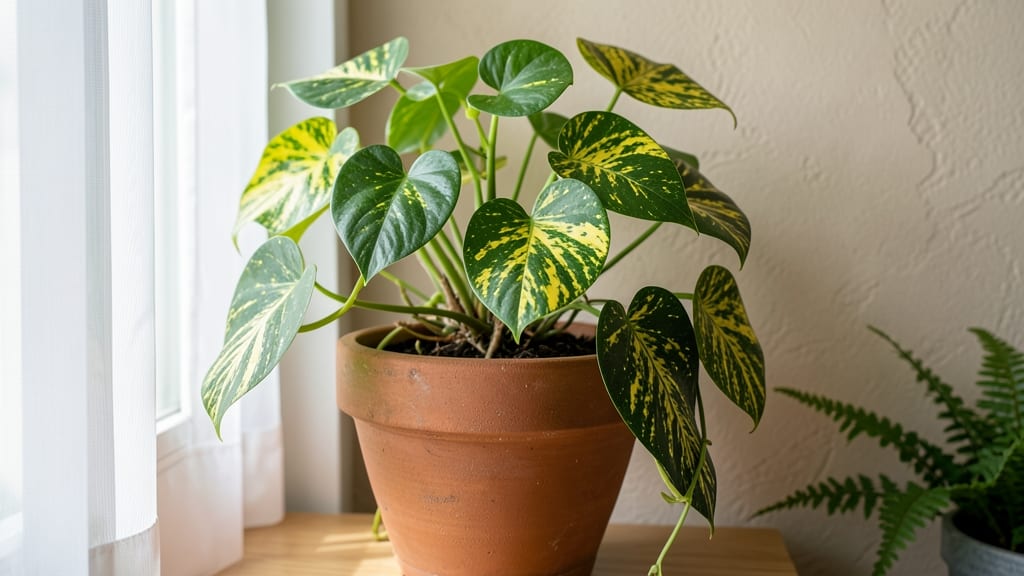
If you're wondering how much light does a Chinese Money Plant need to thrive, the answer is simple: bright indirect light—but getting it right can make the difference between a lush, happy plant and a struggling, leggy mess.
This hardy plant thrives on bright indirect light, but too much direct sun or dim corners can turn it into a sad, leggy shadow of itself.
I’ve seen this plant go from a struggling underdog to a vibrant centerpiece just by tweaking its light exposure. The key is mimicking its natural habitat, where dappled sunlight filters through trees.
Too little light, and it stretches toward any available source; too much, and those gorgeous leaves crisp at the edges.
Don’t worry—adjusting the light is easier than you think. Whether you’re dealing with a sunny south-facing window or a dim office corner, I’ll walk you through exactly where to place your plant for optimal growth. Let’s fix those light struggles once and for all.
You’ll also discover how to spot the signs of over- or under-exposure, plus pro tips for indoor setups where natural light is limited. Your Chinese Money Plant deserves better—let’s give it the perfect glow!

Ideal light requirements for chinese money plant growth: direct vs indirect sunlight
The Chinese Money Plant (Pachira aquatica) thrives in bright indirect sunlight, making it perfect for indoor growers with east or north-facing windows. Unlike sun-loving plants, it can't handle harsh direct rays, which cause leaf burn and crispy edges.
Think of it as a plant that enjoys morning sun but prefers afternoon shade—similar to how a coffee lover sips their brew slowly rather than chugging it.
In nature, this tropical plant grows under dappled forest light, where sunlight filters through leaves. Replicating this indoors means placing it near a window with sheer curtains or using a light diffuser.
If your home has limited natural light, don’t panic—this plant is low-light tolerant, though growth may slow without adequate brightness. It’s like a flexible employee who can handle extra hours but performs best with standard conditions.
For optimal photosynthesis, aim for 4-6 hours of bright indirect light daily. This means positioning it 2-3 feet from an east-facing window, where morning sun is gentler. South-facing windows work too, but use a sheer curtain to filter the intensity.
West-facing windows can be tricky—afternoon sun is stronger, so rotate your plant or move it back slightly if leaves start yellowing.
| Light Condition | Daily Hours Needed | Plant Response | Best Placement |
|---|---|---|---|
| Bright Indirect Light | 4-6 hours | Lush growth, vibrant leaves | East or north window, 2-3 ft away |
| Low Light | 2-3 hours (or less) | Slow growth, leggy stems | North-facing window or room without direct sun |
| Direct Sunlight | More than 2 hours | Brown leaf tips, sunburn | Avoid south/west windows without shade |
Seasonal changes can throw off your plant’s light routine. In winter, when daylight is shorter, supplement with a grow light for 6-8 hours daily if natural light drops below 4 hours.
LED grow lights with a 5000K color temperature mimic sunlight perfectly. I’ve used one in my office during winter, and my plant’s growth stayed consistent—no more sad, stretched-out leaves!
Watch for visual cues that reveal your plant’s light needs. Leggy stems with sparse leaves mean it’s craving more light, while dark green leaves with yellow patches signal too much direct sun.
If leaves develop crispy edges, move it farther from the window immediately. Think of it like adjusting a thermostat—your plant’s appearance tells you exactly what it needs.
For indoor growers in apartments or offices, rotate your plant quarter-turns every week to ensure even growth. This prevents one side from leaning toward the light, which can make your plant look lopsided.
I rotate mine every Sunday—it’s a quick habit that keeps my Chinese Money Plant looking balanced and healthy.
Outdoor growers in USDA Zone 6 or warmer can place this plant in partial shade during summer, where it’ll thrive under 30-50% shade cloth. In full sun, its leaves will scorch within hours.
I’ve seen gardeners make the mistake of planting it in a sunny spot, only to watch it struggle. If you’re experimenting with outdoor placement, start with morning sun only and monitor closely.
Pro tip: If your home lacks natural light, group plants together to create a micro-climate. Plants release moisture through transpiration, which can slightly increase humidity and light diffusion. My Chinese Money Plant does better when paired with a snake plant or ZZ plant, which also tolerate low light.
It’s like having a plant roommate that helps each other thrive!
Remember, consistency is key. Sudden changes in light exposure—like moving your plant from a bright window to a dim corner—can cause stress. If you must relocate it, do so gradually over 3-5 days to acclimate.
Patience pays off, and your Chinese Money Plant will reward you with glossy, coin-shaped leaves that look like real money—because healthy plants are the best investment! 🌿
Ideal light requirements for chinese money plant growth: direct vs indirect sunlight
The Chinese Money Plant (Pachira aquatica) thrives in bright indirect light, mimicking its natural habitat under tropical trees. This means it needs plenty of light without harsh, direct rays that can scorch its delicate leaves.
Think of it like a sunbather—enough light to tan (grow) but not enough to burn.
In my experience, placing your plant 2-3 feet from an east-facing window provides the perfect balance. East-facing windows offer gentle morning sunlight that’s strong enough to support growth but gentle enough to avoid leaf damage.
If you only have a south-facing window, use a sheer curtain to diffuse the intense afternoon sun.
Here’s the golden rule: 4-6 hours of bright indirect light per day is ideal. This light level helps your plant photosynthesize efficiently, producing the energy it needs for lush, round leaves. Without enough light, your plant will stretch toward any available source, leading to leggy growth and weak stems.
| Light Condition | Effect on Chinese Money Plant | Solution |
|---|---|---|
| Bright Indirect Light (4-6 hrs) | Healthy growth, vibrant leaves, strong stems | East or north-facing window, sheer curtain for south-facing |
| Direct Sunlight (harsh rays) | Brown leaf tips, crispy edges, leaf burn | Move to indirect light, use sheer curtain |
| Low Light (dim corners) | Leggy growth, pale leaves, weak stems | Rotate plant, use grow lights, move closer to window |
Seasonal changes can also affect your plant’s light needs. During winter months, daylight hours shorten, and sunlight is less intense. If you notice your plant stretching toward the window, it’s time to supplement with a grow light for 12-14 hours a day.
A simple LED grow light placed 12-18 inches above the plant can work wonders.
One common misconception is that all indirect light is equal. While your Chinese Money Plant can tolerate low light conditions, it won’t thrive there. In dim corners, growth slows dramatically, and leaves may become sparse.
If you’re in an apartment with limited natural light, consider placing your plant on a sunny balcony or near a skylight for a light boost.
Pro tip: Rotate your plant quarter-turn every 2-3 weeks to ensure even growth. Plants naturally lean toward the light source, and rotation helps maintain a balanced, bushy shape. This simple habit can transform a lopsided plant into a full, vibrant centerpiece in just a few months.