
Plants
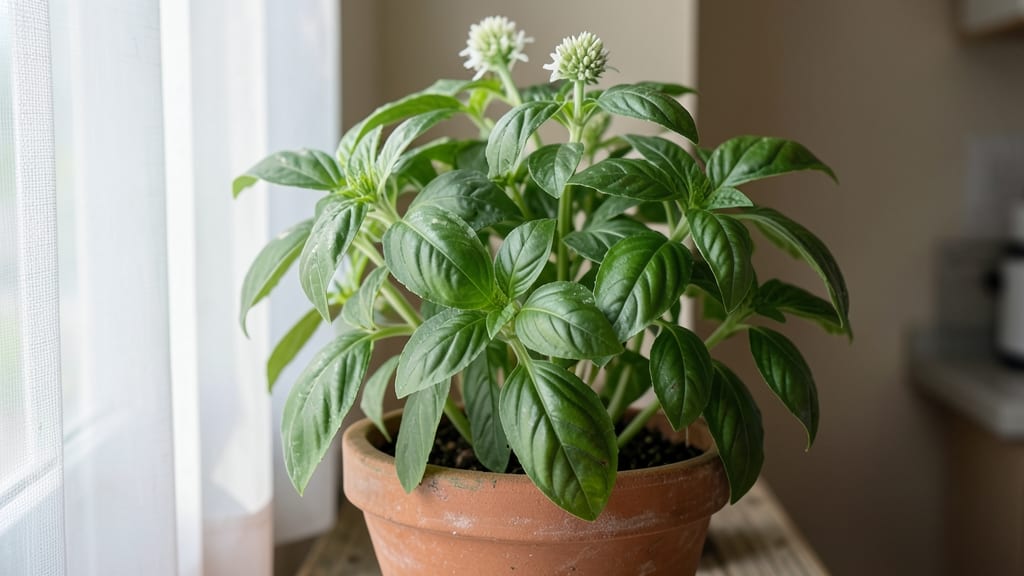
If you’ve ever glanced at your basil plant and wondered, "How tall can this thing really grow?", you’re not alone.
That 🌿 basil in your windowsill or garden bed might seem like a modest little herb now, but with the right conditions, it can stretch taller than you’d expect—sometimes even reaching heights that surprise new gardeners.
The truth is, basil’s height depends on more than just its variety. Whether you’re growing Genovese basil for pesto or Thai basil for curries, understanding how sunlight, pruning, and soil quality play into its growth can mean the difference between a compact, bushy plant and a leggy tower.
And let’s be honest—no one wants their kitchen garden looking like a jungle.
In this guide, I’ll break down exactly how tall basil can grow—from the 6-inch dwarf varieties perfect for windowsills to the 3-foot giants that thrive in full sun. You’ll also discover the simple tricks to control its height, whether you want it short and bushy or tall and harvest-ready.
Ready to take the guesswork out of growing basil?
Let’s dive into the science (and secrets) behind basil’s height so you can grow the perfect plant for your space—and your recipes. No more surprises, just consistent, delicious basil every time.


Basil plant height by variety: from compact to towering
Basil plants come in a stunning array of varieties, each with its own height potential and growth habits.
While most basil plants typically reach 12 to 24 inches at maturity, some dwarf varieties stay as short as 6 inches, while others can grow up to 3 feet tall under ideal conditions.
The key to controlling height lies in understanding your basil’s genetic traits and how to nurture them.
For example, Genovese basil, the classic choice for pesto, usually tops out around 18 to 24 inches when grown outdoors. On the other hand, Thai basil tends to be slightly taller, reaching 2 to 3 feet, with its distinctive anise-like flavor.
Meanwhile, Purple Ruffles basil stays compact at 12 to 18 inches, making it perfect for container gardening or window sills.
Indoor basil plants, especially those grown under grow lights, often stay shorter—around 12 to 18 inchesright variety for your space depends on whether you want a bushy pesto plant or a tall, leafy harvest.
| Variety | Mature Height | Growth Habit | Best For |
|---|---|---|---|
| Genovese | 18–24" | Upright, bushy | Pesto, salads |
| Thai Basil | 24–36" | Tall, leggy | Asian dishes |
| Purple Ruffles | 12–18" | Compact, bushy | Containers, garnishes |
| Spicy Globe | 12–16" | Rounded, dense | Pesto, microgreens |
| Sweet Basil | 18–24" | Tall, sprawling | General cooking |
| Dwarf Basil | 6–12" | Ultra-compact | Windowsills, small pots |
If you’re growing basil in containers, height is easier to manage because root growth is naturally restricted. A 5-gallon pot will keep most varieties under 2 feet, while a hanging basket encourages a more compact, trailing growth habit.
For outdoor gardens, however, basil can spread wider than it grows tall, so give it plenty of space between plants—at least 12 to 18 inches apart—to prevent overcrowding, which stunts growth.
Light exposure plays a huge role in height. Basil plants grown in partial shade (less than 6 hours of sunlight) will stretch toward light, becoming leggy and weak.
To keep them sturdy, place them in full sun (6+ hours) and rotate the pot occasionally so all sides get even light. This ensures a stocky, bushy plant rather than a tall, spindly one.
Pruning isn’t just about keeping your basil from getting too tall—it’s also about encouraging more leaves. When you pinch off the top sets of leaves (just above a leaf node), you trigger bushier growth.
This technique is especially useful for Genovese and Sweet Basil, which can become woody if left unpruned. For Thai basil, which tends to grow taller, regular pruning helps maintain a manageable height while keeping the flavor strong.
One common misconception is that basil grows indefinitely if left alone. In reality, without pruning, basil will focus its energy on flowering and seeding, which reduces leaf production and can make the plant taller but less productive.
If you notice flower buds forming, snip them off immediately to redirect the plant’s energy back into leafy growth. This keeps your basil compact, flavorful, and ready for harvest.
For gardeners in warmer climates, basil’s height can become a challenge because it grows so quickly. In these areas, I recommend succession planting: start a new batch every 2 to 3 weeks so you always have fresh, manageable plants.
This way, you avoid dealing with overgrown, woody stems while keeping a steady supply of fresh basil leaves.
Whether you’re aiming for a neat, compact plant or a tall, leafy harvest, choosing the right variety and
How to control basil plant height: pruning and care tips
If you’ve ever let your basil grow wild and end up with a towering, leggy plant that’s more trouble than it’s worth, you’re not alone. The good news?
With just a few simple techniques, you can keep your basil at your ideal height—whether that’s a compact 12-inch bush for your windowsill or a tall, harvest-ready stalk for your kitchen. It all starts with understanding how to prune, stake, and position your plant for optimal growth.
First, let’s talk about the most powerful tool in your gardening arsenal: pruning. Regular pruning doesn’t just control height—it also encourages your basil to grow bushier and more productive.
When you pinch off the top sets of leaves (usually when the plant reaches about 6 inches tall), you signal to the plant to focus on growing wider rather than taller.
This is especially useful if you’re growing basil in containers or small spaces, where vertical growth can quickly become a problem.
Here’s how I do it: Using clean, sharp scissors or fingers, pinch off the top pair of leaves just above a set of leaves where the stem meets the main branch. This might sound intimidating, but trust me—your basil will thank you with more leaves and a sturdier structure.
Repeat this process every 2-4 weeks to maintain the height you want. For Genovese basil, which tends to grow taller, I prune more aggressively to keep it under 18 inches.
🌱 Pro Tip: The Pruning Schedule That Works
To keep your basil at the perfect height, follow this simple schedule:
- Every 2 weeks: Pinch off the top leaves to encourage bushiness.
- When stems get woody: Trim back by 1/3 to rejuvenate growth.
- Before flowering: Prune aggressively to delay blooming and extend harvest time.
💡 Why it works: Pruning removes the plant’s natural growth hormone signal, forcing it to grow wider instead of taller.
Light exposure is another critical factor in controlling height. Basil thrives in full sun (6+ hours daily), but if it doesn’t get enough light, it will stretch and become leggy and weak.
If you’re growing basil indoors, place it near a south-facing window or use a grow light for 12-14 hours a day. Without enough light, your basil will grow tall and spindly, reaching heights of 24 inches or more—and that’s not the lush, flavorful plant you want.
For outdoor gardeners, choosing the right container size and depth can also make a big difference. Basil has a shallow root system, so a pot that’s at least 6-8 inches deep and wide enough to accommodate its mature size will help prevent overcrowding.
If you’re growing multiple plants together, space them 12-18 inches apart to give them room to grow without competing for nutrients, which can lead to stunted or uneven growth.
Finally, don’t underestimate the power of staking or trellising for taller varieties like Thai basil or Purple Ruffles. If your basil starts to lean or flop over, gently tie the stems to a small stake or use a cage support to keep it upright.
This not only controls height but also improves air circulation, reducing the risk of fungal diseases that can weaken your plant. With these tips, you’ll have basil that’s perfectly proportioned—no jungle required!