
How To
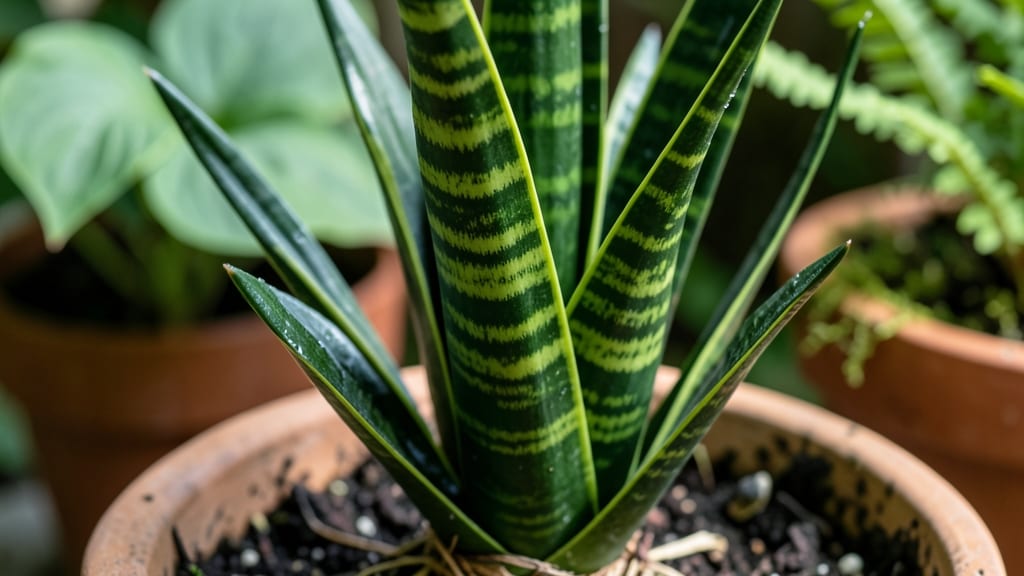
If you’ve ever glanced at your snake plant 🌿 and wondered how tall it can grow, whether it’ll stretch toward your ceiling or stay a compact desk companion, you’re asking the right question.
The height of these hardy plants can vary wildly—from 1-foot dwarfs to towering 6-foot giants—depending on the variety and care you provide.
Some snake plants grow slowly but steadily, while others shoot up faster than you’d expect, especially in ideal conditions. Whether you’re working with a standard variety or a rare hybrid, understanding their growth habits helps you plan your space—and avoid surprises when your plant suddenly outgrows its pot.
In this guide, I’ll break down the typical heights of different snake plant varieties, what factors influence their growth, and how to keep them at your preferred size. You’ll also learn when to prune and how to encourage (or control) their upward momentum.
Ready to stop guessing and start growing with confidence? Let’s dive into the heights your snake plant could reach—and how to make sure it fits your space perfectly.


Snake plant height by variety: from compact to towering giants
Snake plants (Sansevieria) are famous for their versatility, but their mature heights can vary dramatically depending on the variety. Some stay compact enough for small apartments, while others grow tall enough to rival small trees.
Knowing these differences helps you choose the perfect plant for your space—whether you want a floor-filling statement piece or a desk-friendly companion.
The most common varieties, like the Sansevieria trifasciata 'Laurentii', typically reach 2–4 feet tall in 2–3 years. However, rare hybrids and tropical varieties can stretch to 6 feet or more with ideal growing conditions.
Let’s explore the height ranges of the most popular snake plant varieties, so you can pick the one that fits your home or office perfectly.
📌 Pro Tip: Always check the variety name before purchasing—many nurseries sell snake plants under generic names, which can hide their true growth potential.
| Variety | Mature Height | Growth Rate | Best For |
|---|---|---|---|
| Sansevieria trifasciata 'Laurentii' | 2–4 ft | Moderate (1–2 ft/year) | Beginners, offices |
| Sansevieria 'Futura Superba' | 3–5 ft | Fast (2+ ft/year) | Large spaces, statement plants |
| Sansevieria 'Hahnii' (Bird's Nest) | 1–2 ft (spreading) | Slow (6 in/year) | Small spaces, hanging baskets |
| Sansevieria 'Moonshine' | 2–3 ft | Moderate (1 ft/year) | Bright interiors, modern decor |
| Sansevieria 'Black Gold' | 3–6 ft | Fast (1.5+ ft/year) | Dramatic displays, large rooms |
| Sansevieria 'Golden Hahnii' | 1–1.5 ft | Slow (4 in/year) | Desks, shelves, small pots |
If you’re working with limited vertical space, varieties like 'Golden Hahnii' or 'Hahnii' are ideal—they stay under 2 feet tall but spread beautifully in pots. For a bold, architectural look, 'Black Gold' or 'Futura Superba' will dominate a room, reaching heights of 5–6 feet with proper care.
Remember, these are mature heights—your snake plant may take 2–5 years to reach its full size
Factors that influence snake plant growth height (and how to control it)
Your snake plant’s height isn’t set in stone—it’s shaped by a mix of environmental factors and care habits. Light exposure, pot size, and even humidity play starring roles in whether your plant stays a compact 1-2 feet or shoots up to 4-6 feet.
Understanding these factors lets you steer your snake plant’s growth in the direction you prefer, whether that’s a low-maintenance corner plant or a statement piece for your space.
One of the biggest influences is light exposure. Snake plants crave bright, indirect light but can stretch dramatically (a condition called etiolation) if deprived of enough light.
A plant in a dark corner may grow taller and leggier, while one basking in morning sun stays bushier and more compact. Think of light as the growth director—too little, and your plant becomes a towering shadow; too much direct sun, and it might scorch.
🌿
| Factor | Effect on Height | How to Control It |
|---|---|---|
| 💡 Light | Too little = tall, leggy growth; too much direct = compact but possible burn | Place 2-3 feet from east/north window; rotate quarterly for even growth |
| 🪴 Pot Size | Small pot = slower growth; large pot = taller, bushier | Repot every 2-3 years; choose pot 1-2 inches wider than roots |
| 💧 Watering | Overwatering = stunted growth; underwatering = slower but taller | Water every 2-3 weeks; let soil dry completely between waterings |
| ✂️ Pruning | Regular trimming = bushier, shorter plant | Trim yellow/brown leaves at base; prune 1/3 of height to encourage branching |
| 🌡️ Temperature | Cooler temps = slower growth; warmer = faster, taller | Keep in 65-85°F range; avoid drafts or heating vents |
Pot size is another silent growth controller. Snake plants in cramped pots grow slower and stay shorter, while those in roomy containers stretch their roots and shoot upward. If you’re aiming for a compact plant, keep it in a smaller pot and avoid repotting too often.
For a taller, bushier look, upgrade to a larger pot every few years—just ensure it has drainage holes to prevent root rot.
Pruning is your secret weapon for managing height. When you trim yellow or brown leaves at the base, you’re not just tidying up—you’re encouraging the plant to branch out and grow shorter, fuller.
For taller varieties, prune the top third of the plant to promote new shoots from the base. Just be sure to use sterilized scissors to avoid introducing diseases.
Lastly, temperature and humidity fine-tune your snake plant’s growth. These plants thrive in average household temperatures (65-85°F) but may grow slower in cooler climates.
If your home is dry, consider placing a pebble tray under the pot to boost humidity slightly—this can help maintain a healthier, more controlled growth rate.
Avoid placing your snake plant near heating vents or AC units, as sudden temperature swings can stress the plant and stunt its growth.
By tweaking these factors, you’ll have a snake plant that grows exactly how you want it—whether that’s a low-maintenance tabletop plant or a floor-filling statement piece. The key is observation and consistency; monitor your plant’s response to changes and adjust as needed.
With the right care, your snake plant will thank you with lush, healthy growth tailored to your space! 🪴