
How To
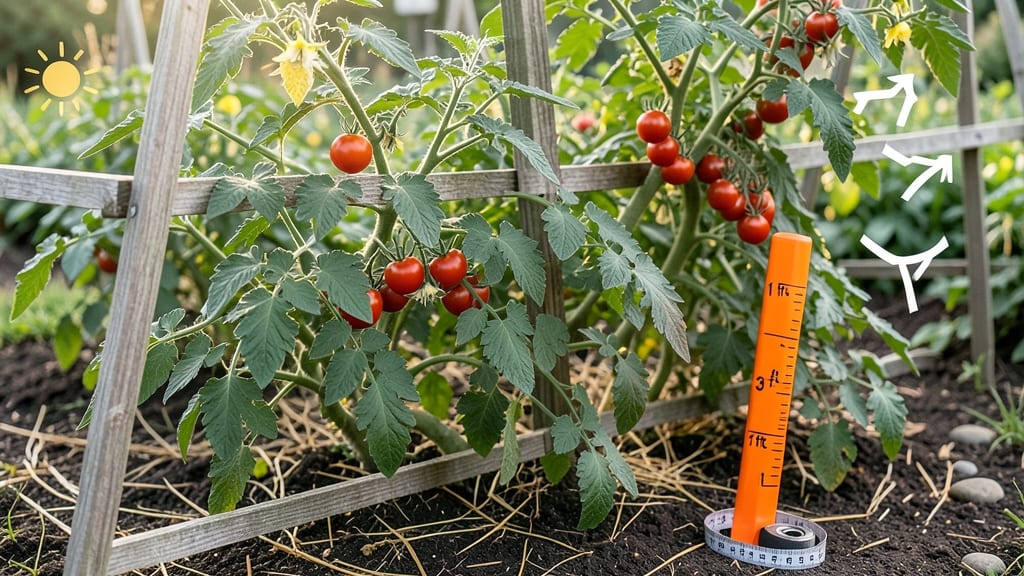
If you're wondering "how tall does cherry tomato plant grow", the answer might surprise you—these little powerhouses can range from compact 12-inch bushes to towering 6-foot vines! Whether you're working with a tiny balcony or a spacious backyard, knowing your plant's potential height is key to maximizing your harvest.
Cherry tomato plants like 🍅 Sweet 100 or Tumbling Tom stay small and bushy, perfect for containers, while others like Sungold climb like jungle vines. The difference comes down to whether they're determinate (bush types) or indeterminate (vining types), and understanding this can save you space—and headaches.
For small gardens or containers, dwarf varieties are your best bet, but even taller plants can be managed with simple trellising. I'll show you how to choose the right type for your space, plus pro tips to keep your plants productive no matter their height.
Let's dive into the specifics so you can pick the perfect cherry tomato for your growing setup—and get ready for a harvest that'll make your neighbors jealous!


Cherry tomato plant height variations: compact vs. vining types explained
When planning your garden, understanding cherry tomato plant height is key to maximizing space and yield. These tiny but mighty fruits come in two main growth types: determinate (bush) varieties that stay compact and indeterminate (vining) types that can climb like jungle vines.
Knowing the difference helps you choose the perfect variety for your space, whether it's a balcony container or a backyard raised bed.
The average cherry tomato plant height ranges dramatically—from just 12 inches for dwarf varieties to towering 6+ feet for vigorous vining types. This variation isn’t just about aesthetics; it directly impacts how you’ll space your plants, provide support, and even harvest your tomatoes.
Let’s break down the key differences so you can pick the perfect fit for your garden.
| Type | Height Range | Growth Habit | Best For | Popular Varieties |
|---|---|---|---|---|
| Determinate | 1–4 feet | Bushy, self-supporting | Containers, small spaces | 'Tumbling Tom', 'Patio Princess' |
| Indeterminate | 4–8+ feet | Vining, continuous growth | Trellises, large gardens | 'Sweet 100', 'Sun Gold' |
| Semi-Determinate | 2–5 feet | Moderate vining | Balconies, small trellises | 'Micro Tom', 'Balcony Red' |
Determinate cherry tomatoes are the perfect choice for small gardens or container growing. These bush-type plants grow to a predictable height—typically between 12 and 48 inches—and produce fruit all at once, making them ideal for heirloom varieties or canning projects.
Varieties like 'Tumbling Tom' spill over container edges beautifully, while 'Patio Princess' stays neatly compact at just 18 inches tall. Their self-supporting nature means you won’t need fancy trellises, just a sturdy cage or pot.
On the other end of the spectrum, indeterminate cherry tomatoes are the climbing champions of the tomato world.
These plants keep growing throughout the season, often reaching 6 feet or taller if given proper support. 'Sweet 100', one of the most popular varieties, can easily exceed 8 feet with the right care, producing continuous harvests all summer long.
If you’re working with vertical space—like a trellis, arbor, or tall cage—these vining types are a game-changer for maximizing yield in small areas.
For gardeners with limited space but big dreams, semi-determinate varieties strike a balance.
These plants grow 2 to 5 feet tall and produce fruit in waves rather than all at once. 'Micro Tom', for example, stays under 2 feet and is perfect for windowsill gardens, while 'Balcony Red' reaches about 3 feet and thrives in hanging baskets.
Their moderate height makes them versatile for raised beds, balconies, or small plots.
One of the biggest mistakes gardeners make is ignoring mature plant height when planning their layout. If you plant indeterminate varieties too close together, they’ll compete for sunlight and nutrients, leading to smaller yields and weaker plants.
A general rule of thumb is to space determinate plants 18–24 inches apart and indeterminate plants 24–36 inches apart in the ground. For containers or hanging baskets, one determinate plant per 12-inch pot works well, while indeterminate plants need at least a 5-gallon container to support their growth.
Support structures play a crucial role in managing cherry tomato plant height, especially for vining varieties. Without proper support, indeterminate plants can sprawl across your garden, making harvesting difficult and increasing the risk of disease from wet foliage.
A 6-foot tall trellis or tomato cage can transform a rambling vine into a neat, productive vertical garden. For determinate types, a simple stake or small cage (around 2 feet tall) is usually enough to keep them upright and make fruit easier to access.
If you’re growing cherry tomatoes in containers or small spaces, consider dwarf or patio varieties like 'Tiny Tim' or 'Cherry Roma', which max out at 18–24 inches. These are perfect for balconies, patios, or even indoor growing under grow lights.
Even if you have a full garden, mixing compact and vining varieties can create a layered, productive space that’s easy to maintain. For example, plant Tumbling Tom in a hanging basket above a
Cherry tomato plant height variations: compact vs. vining types explained
When planning your garden, knowing how tall cherry tomato plants grow can make all the difference. The height of your plants depends on whether they're determinate (bush types) or indeterminate (vining types).
Determinate varieties stop growing once they flower, staying between 12 inches and 3 feet, while indeterminate types keep growing all season, often reaching 4 to 6 feet or taller with proper support.
For example, the popular Sweet 100 variety is a classic indeterminate type that can climb to 6 feet without pruning, while Tumbling Tom stays compact at just 12 to 18 inches, making it perfect for hanging baskets.
Understanding these differences helps you choose the right variety for your space and growing style.
Determinate cherry tomatoes are ideal for small spaces, containers, or balcony gardens because they don’t require trellising. Their compact size also means they produce fruit all at once, which is great for canning or preserving. On the other hand, indeterminate varieties produce fruit continuously throughout the season but need support to manage their height and weight.
| Variety Type | Height Range | Best For | Notes |
|---|---|---|---|
| Determinate | 12" – 3 ft | Containers, small gardens | Single harvest, no pruning needed |
| Indeterminate | 4 – 6+ ft | Trellises, large gardens | Continuous harvest, needs support |
| Dwarf Varieties | 12" – 2 ft | Balconies, hanging baskets | Examples: Tumbling Tom, Patio Princess |
| Semi-Dwarf | 2 – 4 ft | Raised beds, small plots | Examples: Bush Early Girl, Tiny Tim |
If you're growing cherry tomatoes in containers or small spaces, prioritize dwarf or determinate varieties. These plants thrive in 5-gallon pots or larger and don’t require staking, making them low-maintenance options.
For larger gardens, indeterminate types like Sungold or Sweet Million can produce an abundance of fruit but need trellises or cages to support their weight.
Another factor to consider is your climate and growing season length. In warmer regions, indeterminate varieties can grow even taller, while cooler climates may limit their height. Always check the seed packet or plant tag for specific height expectations, as some varieties can exceed typical ranges.
For urban gardeners or those with limited space, vertical gardening is a game-changer. Even tall indeterminate plants can be trained to grow upward using tomato cages, stakes, or trellises. This not only saves space but also improves air circulation, reducing the risk of disease.
With the right support, you can grow 6-foot-tall cherry tomato plants in a small backyard or even on a balcony!