
How To
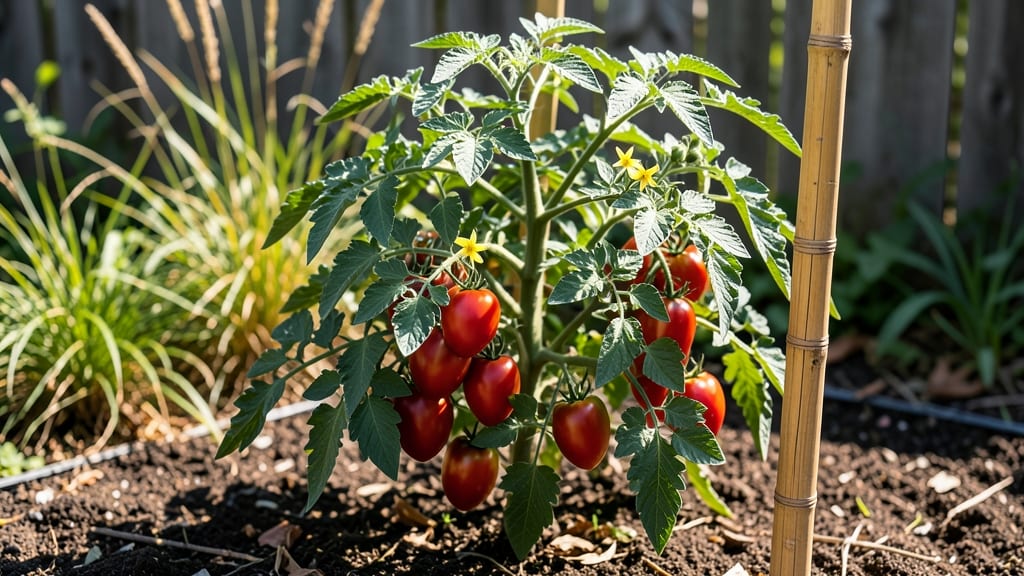
Wondering how tall does a Roma tomato plant grow before it starts producing those plump, paste-perfect fruits? The answer might surprise you—these plants can range from compact 3-foot bushes to towering 6-foot vines, depending on the variety and growing conditions you provide.
Most Roma tomatoes are determinate, meaning they grow to a set height and produce fruit all at once. This makes them ideal for gardeners with limited space, as they typically max out around 4-5 feet without needing much support.
But if you're growing an indeterminate variety, expect that plant to keep climbing until it hits 6 feet or more.
The key to controlling height lies in your growing setup. Pruning, trellising, or even container gardening can shape your plant's growth—whether you want a neat, manageable bush or a lush vine stretching toward the sky.
Even in USDA Zone 6a, where spring planting starts in April, these decisions can make or break your harvest.
Ready to get growing? I’ll walk you through how to choose the right variety, manage height, and ensure your Roma tomatoes thrive—no matter how tall they get. Let’s make sure your garden space works for you and your plants!


Roma tomato plant height: standard growth ranges for common varieties
When I first grew Roma tomatoes, I was surprised to learn that their height can vary dramatically—from compact 2-foot bushes to 6-foot vines needing trellises. The key difference lies in whether your variety is determinate (bush-type) or indeterminate (vining).
Most classic Roma tomatoes fall into the determinate category, typically reaching 3-5 feet at maturity, but some heirloom or hybrid varieties can stretch much taller.
Understanding these growth patterns helps you plan your garden layout, choose the right support structures, and even decide whether to grow in containers or in-ground beds.
For example, a dwarf Roma like 'Tiny Tim' stays under 3 feet, making it perfect for patio containers, while traditional varieties like 'Roma VF' can easily hit 5-6 feet without proper staking.
Here’s how height breaks down for common Roma tomato types, including their growth habits and ideal support needs:
| Variety Type | Height Range | Growth Habit | Support Needed | Best For |
|---|---|---|---|---|
| Dwarf Roma (e.g., 'Tiny Tim') | 2–3 ft | Determinate | None or small cage | Containers, small spaces |
| Standard Roma (e.g., 'Roma VF') | 4–5 ft | Determinate | Stake or cage (4–5 ft) | In-ground beds, raised beds |
| Indeterminate Roma (e.g., 'San Marzano') | 6–8+ ft | Indeterminate | Trellis or tall stake (6+ ft) | Vertical gardens, large spaces |
| Semi-Dwarf Roma (e.g., 'Roma Red') | 3–4 ft | Determinate | Small stake or cage | Balconies, small gardens |
Note: Indeterminate varieties continue growing until frost, while determinate types stop after flowering.
If you’re growing Roma tomatoes in containers, choose dwarf or semi-dwarf varieties to avoid root-bound stress. A 5-gallon pot works well for dwarf types, but larger containers (10+ gallons) are better for standard or indeterminate varieties to support their root systems and heavier fruit loads.
Another factor affecting height is your pruning habits. Determinate Roma tomatoes produce all their fruit at once, so pruning isn’t necessary—but it can improve air circulation and reduce disease risk.
Indeterminate types, however, benefit from regular pruning to control height and direct energy toward fruit production rather than excessive vine growth.
Climate also plays a role. In warmer regions (USDA Zones 8–10), Roma tomatoes may grow taller and produce longer due to extended growing seasons. In cooler climates, they’ll focus energy on early fruiting rather than excessive vine growth.
For example, in Zone 6, I’ve seen standard Roma varieties top out at 4 feet instead of 5.
Pro tip: If you’re unsure about your plant’s growth potential, check the seed packet or plant tag. Many modern hybrids are bred for specific heights, like 'Roma Red' (3–4 ft) or 'Plum Regal' (5–6 ft).
Even within the same variety, height can vary by 1–2 feet depending on growing conditions, so always plan for the upper end of the range.
For vertical gardening enthusiasts, indeterminate Roma tomatoes are a game-changer. With a 6-foot trellis, you can grow multiple plants in a small footprint while maximizing sunlight exposure. Just be prepared for the extra weight—mature indeterminate vines can produce 20+ pounds of tomatoes per plant!
Finally, remember that soil fertility and water consistency influence height. Over-fertilizing with nitrogen can lead to lush foliage but fewer fruits, while balanced feeding (like a 5-10-10 NPK ratio) promotes healthy, proportional growth. Always water deeply at the base to avoid fungal issues that stunt growth.
Roma tomato plant height: standard growth ranges for common varieties
Roma tomatoes are fascinating because their height can vary dramatically depending on whether you're growing a determinate or indeterminate variety. Determinate types stay compact, typically reaching 3-4 feet, while indeterminate varieties can climb to 6 feet or taller if left unchecked.
This difference affects everything from container choices to trellis needs.
The most common Roma varieties fall into these height categories: dwarf types (2-3 ft), standard bush varieties (4-5 ft), and vining indeterminate types (5-7+ ft). For example, 'Roma VF' stays around 3-4 feet, while 'Roma Red' can easily exceed 6 feet.
Understanding these ranges helps you plan your garden layout and support systems before planting.
Here's a quick comparison of how different Roma tomato varieties grow in height, including their growth habits and ideal support needs:
| Variety Type | Mature Height | Growth Habit | Support Needed |
|---|---|---|---|
| Dwarf Roma | 2-3 ft | Determinate | None (or small cage) |
| Standard Roma | 4-5 ft | Determinate | Stake or small trellis |
| Indeterminate Roma | 5-7+ ft | Indeterminate | Strong trellis or cage |
Your Roma tomato's height also depends on growing conditions. In containers, even standard varieties may stay shorter (3-4 ft) due to root restriction, while in-ground plants with rich soil and full sun can reach their maximum potential.
Pruning habits also play a role—heavy pruning keeps indeterminate types more compact, while minimal pruning encourages vertical growth.
If you're growing Roma tomatoes in USDA Zone 6a or warmer**, you can expect faster growth and taller plants, while cooler climates may limit height to the lower end of the range.
For example, in Zone 6a, a standard Roma might hit 5 feet, while in Zone 8, it could easily reach 6 feet or more with proper care.
Remember that fruit production often correlates with plant height—taller indeterminate varieties produce over a longer season, while compact determinate types yield all at once. Choose your variety based on both your space and harvest preferences to get the most from your Roma tomatoes.
🌱