
Size
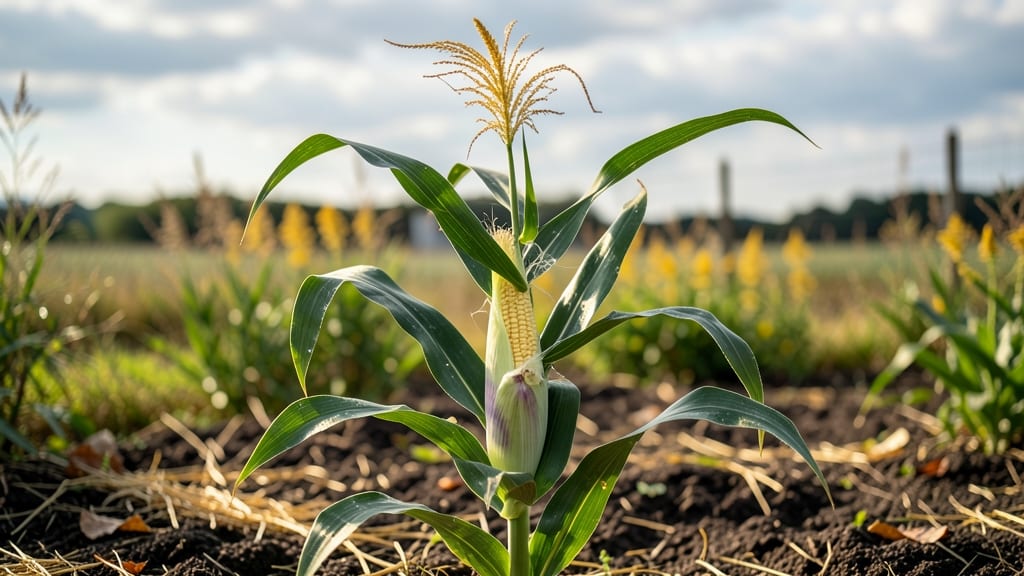
If you’ve ever watched a corn plant stretching toward the sky like nature’s skyscrapers, you might be surprised to learn just how tall these plants can grow—some varieties reach heights that’ll make your garden fence look like a child’s play structure!
Most corn plants grow between 6 and 12 feet, but with the right conditions, they can even surpass that, especially in warmer climates like USDA Zone 6a.
Whether you’re planting in spring or experimenting with dwarf varieties for small spaces, understanding how tall your corn will grow is key to proper spacing and care.
Genetics play a huge role—standard sweet corn can hit 8 to 12 feet, while dwarf varieties stay compact at just 3 to 5 feet. But don’t stop there: sunlight, soil quality, and watering habits can push those stalks even higher.
Let’s break down what influences their growth and how you can nurture your corn to reach its full potential.
From backyard gardens to raised beds, growing tall corn is easier than you think—if you know the tricks. Whether you’re aiming for a record-breaking stalk or just want to maximize your harvest, these insights will help you grow corn that truly stands out in your garden.


Corn plant height varieties: from dwarf to sky-high giants
Corn plants are nature's skyscrapers, with some varieties stretching toward the sky like architectural marvels. The height of a corn plant depends entirely on its variety, ranging from compact dwarf types perfect for small gardens to towering giants that can challenge your fence line.
For most home gardeners, corn grows between 6 to 12 feet tall, though specialized varieties can reach even greater heights—some experimental types exceed 14 feet!
Understanding these height differences helps you plan your garden layout, especially when considering spacing requirements and wind resistance. Dwarf varieties, for example, stay between 3 to 5 feet, making them ideal for container gardening or urban plots.
Meanwhile, standard sweet corn varieties typically grow 8 to 12 feet, while field corn (used for animal feed) can reach 10 to 14 feet or more in optimal conditions.
Here’s where things get fascinating: genetic potential plays a huge role. Some heirloom varieties, like Mammoth Melting or Country Gentleman, are bred for height, while modern hybrids focus on ear size or disease resistance over stature.
Even within the same variety, height can vary by 1 to 2 feet depending on growing conditions.
Let’s break down the key categories of corn height and what they mean for your garden:
| Variety Type | Height Range | Best For | Spacing Needs |
|---|---|---|---|
| Dwarf Varieties | 3–5 feet | Containers, small gardens, urban plots | 12–18 inches apart |
| Semi-Dwarf Varieties | 5–7 feet | Backyard gardens, raised beds | 24–30 inches apart |
| Standard Sweet Corn | 8–12 feet | Traditional gardens, large plots | 36 inches apart (rows 3 feet apart) |
| Field Corn (Giant Varieties) | 10–14+ feet | Experimental gardens, windbreaks | 48+ inches apart (rows 4 feet apart) |
| Popcorn Varieties | 5–9 feet | Home use, small-scale harvests | 24–36 inches apart |
Choosing the right variety isn’t just about height—it’s also about harvest timing and flavor profile. For example, dwarf varieties like Golden Bantam mature quickly (in about 60 days) and produce smaller ears, while tall sweet corn like Silver Queen takes 85–90 days but yields larger, sweeter ears.
If you’re growing corn in containers, opt for dwarf or semi-dwarf types to avoid overcrowding.
One of my favorite discoveries was growing Mammoth Melting corn in a community garden—it reached 12 feet and required staking to prevent toppling in windy conditions. The ears were massive, but the stalks needed extra support to stay upright.
This variety is a great example of how height correlates with ear size, though it also demands more space and careful soil preparation.
For gardeners with limited space, bush corn varieties (like Peaches and Cream) are a game-changer. These plants grow 5 to 7 feet tall but produce multiple ears per stalk, reducing the need for wide spacing.
They’re perfect for small backyards or raised beds, where every inch counts. Just be prepared for slightly smaller ears compared to their taller counterparts.
If you’re aiming for record-breaking heights, consider field corn varieties like Mo17 or B73, which can exceed 14 feet in ideal conditions. However, these require rich, well-drained soil, consistent watering, and often trellising or caging to support their weight.
They’re more common in agricultural settings but can be a fun experiment for dedicated gardeners!
Pro tip: Always check the seed packet for mature height estimates and days to maturity. This helps you plan your garden layout and ensures you’re selecting varieties that suit your space and climate.
For example, northern climates with shorter growing seasons benefit from early-maturing dwarf varieties, while southern regions can handle taller, longer-season types.
Factors that influence corn plant height: sunlight, soil, and genetics
Did you know that the height of your corn plants isn’t just down to luck? While genetics set the baseline, factors like sunlight exposure, soil quality, and watering habits can push those stalks to new heights—or keep them shorter than expected.
For example, a standard sweet corn variety in full sun might reach 10-12 feet, but the same plant in partial shade could stay under 6 feet. Let’s explore how each factor plays a role in your corn’s vertical growth potential.
Sunlight is the most critical factor for tall corn. These plants are sun-worshippers, craving 6-8 hours of direct sunlight daily. Without enough light, they’ll focus energy on leaf growth instead of stalk height.
In my USDA Zone 6a garden, I’ve noticed that corn planted near a south-facing fence (where it gets morning to afternoon sun) grows 2-3 feet taller than corn in shadier spots. If you’re growing corn in containers or raised beds, prioritize the sunniest location in your yard.
Soil quality is another game-changer. Corn needs well-draining, nutrient-rich soil with a pH between 6.0 and 7.0. Poor soil can stunt growth, while rich, loamy soil packed with organic matter (like compost or aged manure) helps corn reach its full height.
I once tested two identical corn varieties in my garden—one in regular soil and one in amended soil. The amended plot produced stalks that were nearly 4 feet taller by harvest time. Don’t skip the soil prep!
Genetics determine the maximum height potential, but even within the same variety, individual plants can vary. For instance, dwarf corn varieties (like ‘Golden Bantam’) stay between 3-5 feet, while standard sweet corn (like ‘Silver Queen’) can hit 8-12 feet.
If you’re dreaming of giant corn, look for heirloom or hybrid varieties bred for height, such as ‘Country Gentleman’ or ‘Mammoth Melting.’ These can push 12-14 feet under ideal conditions.
Watering also plays a surprising role. Corn needs consistent moisture, especially during tasseling and ear development. Drought stress can cause stalks to grow lopsided or stunted. I’ve found that watering deeply once every 3-5 days (about 1-2 inches per week) keeps my corn thriving.
In hot summers, I increase frequency to every 2-3 days to prevent wilting. Mulching around the base helps retain moisture and encourages taller growth by reducing competition from weeds.
One factor many gardeners overlook is spacing. Crowded corn plants compete for nutrients and sunlight, which can limit their height. Follow the 3-foot row spacing rule for standard varieties, and give dwarf corn 18-24 inches between plants.
Proper spacing ensures each stalk has room to stretch toward the sky without bending or breaking under its own weight.
Ready to maximize your corn’s height? Start by selecting a sun-loving variety, amending your soil with compost, and watering consistently. With these factors in check, you’ll be watching your cornstalks reach for the clouds—literally!
Just remember, taller corn may need extra support in windy areas to avoid lodging (we’ll cover that in the next section).