
Plants
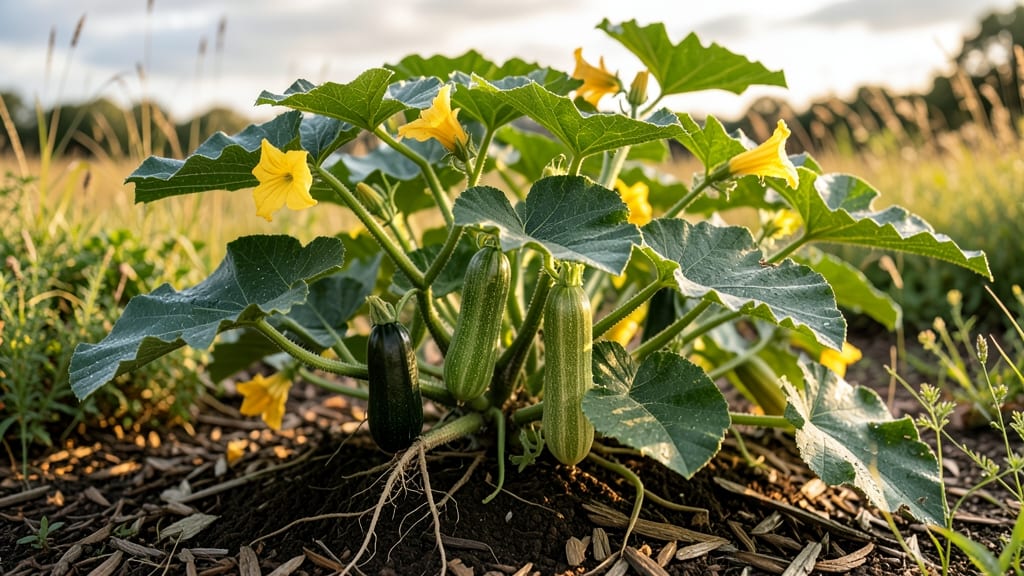
If you’ve ever wondered how tall does a zucchini plant grow and whether your garden fence will become a jungle of 🎃 vines, you’re not alone.
Zucchini plants can range from compact bush varieties to towering vining giants, and knowing their growth habits is the key to planning your garden layout—and avoiding a summer of tangled chaos.
The height of your zucchini plants depends entirely on the variety you choose. Bush types typically stay between 1 and 3 feet, making them perfect for small spaces or containers, while vining varieties can stretch up to 6 feet or more if given the right support.
This difference isn’t just about aesthetics—it directly impacts how you space, support, and even harvest your plants.
For gardeners in USDA Zone 6a, where zucchini thrives from spring planting through summer harvest, understanding these growth patterns helps you maximize yield without sacrificing garden real estate.
Whether you’re working with limited space or dreaming of a vertical garden, the right approach to height management can mean the difference between a handful of zucchini and a bounty to share.
In this guide, I’ll break down the height ranges by variety, share practical tips for supporting tall plants, and reveal common mistakes that can make your zucchini grow either too tall or too short. Let’s get your garden—and your harvest—growing the right way.


Zucchini plant height by variety: bush vs. vining types explained
Zucchini plants come in two primary growth types: bush varieties and vining varieties, each with distinct height ranges that impact your garden layout. Understanding these differences helps you plan spacing, support needs, and even harvest strategies.
For example, a bush zucchini might stay compact at 1-3 feet tall, while a vining type could sprawl up to 10 feet if left unsupported. Let’s break down the specifics so you can choose the right variety for your space.
Most gardeners start with bush zucchini varieties like 'Black Beauty' or 'Eight Ball' because they’re ideal for small gardens or containers. These plants typically reach 2-3 feet tall and spread 2-3 feet wide, making them perfect for tight spaces.
On the other hand, vining zucchini like 'Straight Eight' or 'Gold Rush' can grow 4-10 feet tall if given the right conditions. Without support, they’ll sprawl across the ground, taking up valuable space and potentially reducing yield.
Here’s the key takeaway: height isn’t the only factor. Spreading habits also matter. Bush types are self-contained, while vining types need vertical support or wide spacing to thrive.
For instance, a vining zucchini planted in a 5-gallon container with a trellis can grow just as tall as one in the ground, but it’ll need regular pruning to manage its spread.
Zucchini Variety Height Comparison
| Variety Type | Height Range | Spread | Best For |
|---|---|---|---|
| Bush (e.g., 'Eight Ball') | 1–3 ft | 2–3 ft | Containers, small gardens |
| Semi-bush (e.g., 'Patio Star') | 2–4 ft | 3–4 ft | Balconies, raised beds |
| Vining (e.g., 'Straight Eight') | 4–10 ft | 5–8 ft | Trellises, large gardens |
| Dwarf (e.g., 'Bush Baby') | 1–2 ft | 1–2 ft | Window boxes, patios |
*Height can vary based on sunlight, soil quality, and support.
The spacing rules for zucchini plants are just as critical as their height. For bush varieties, plant seeds 2-3 feet apart in rows 3-4 feet apart.
This gives them room to spread without competing for nutrients. Vining types, however, need 4-6 feet between plants and 6-8 feet between rows unless you’re using a trellis. If you’re growing in containers, opt for dwarf or bush varieties and use 5-gallon pots with drainage holes.
One common misconception is that taller zucchini plants always produce more fruit. While vining types can yield more zucchini per plant, they require more maintenance. Bush varieties, though shorter, often produce earlier and more consistently in smaller spaces.
For example, 'Eight Ball' zucchini plants can produce 10-12 zucchini per plant in a 2x2 foot area, while a vining 'Straight Eight' might yield 15-20 zucchini but needs a 6-foot trellis.
If you’re working with limited space, consider interplanting zucchini with companion plants like bush beans or radishes. These plants mature quickly and won’t compete for space once the zucchini starts to spread.
For larger gardens, trellising vining zucchini not only saves space but also improves air circulation, reducing the risk of powdery mildew and other diseases. Plus, harvesting is easier when the fruit hangs at waist height!
Another pro tip: prune your zucchini plants to control height and encourage bushier growth. Pinch off the main stem’s growing tip when it reaches 3-4 feet tall to promote side shoots. This technique works especially well for vining varieties and can reduce height by 20-30% while increasing yield.
Just be sure to prune in the morning so wounds have time to heal before evening moisture sets in.
For container gardening, choose dwarf or bush varieties and ensure your pots are at least 12 inches deep. Place containers in a south-facing spot to maximize sunlight, and use a lightweight potting mix with added compost.
Remember, zucchini plants in containers dry out faster than those in the ground, so monitor soil moisture closely and water daily during hot weather. A self-watering planter can be a game-changer for busy gardeners!
Finally, don’t overlook soil quality when planning for height. Zucchini plants thrive in rich, well-draining soil with a pH of 6.0-7.0. Amend your soil with compost or aged manure before
When and how to provide support for tall zucchini plants
If you’re growing vining zucchini varieties, you’ve likely noticed their rapid vertical growth—sometimes reaching 6 feet or more without proper support. Without intervention, these plants sprawl across your garden, compete for sunlight, and become prone to disease.
The good news? Simple support structures can transform chaotic vines into organized, high-yielding plants while keeping your harvest within easy reach.
Most vining zucchini types (like 'Black Beauty' or 'Straight Eight') need support when they hit 2-3 feet tall. At this stage, their stems become too heavy to stay upright, and leaves start shading lower foliage.
Providing support early prevents stress on the plant and ensures a cleaner, more productive growing environment. Think of it as giving your zucchini a vertical garden lift—just like adding a trellis to your peas!
For container gardening, tall varieties can still thrive with the right support. Use bamboo stakes or tomato cages (6 feet tall) to guide growth upward, leaving more space for companion plants below. In ground gardens, consider trellis systems or wire cages to maximize vertical space.
The key is to install supports before the plant needs them—once vines are sprawling, it’s harder to train them without damage.
Step-by-Step Guide to Supporting Tall Zucchini
- 🌱 Choose the right support: Use 6-foot bamboo stakes, metal tomato cages, or wooden trellises. Avoid flimsy materials that bend under weight.
- 🪴 Install supports early: Place stakes or cages 2-3 weeks after planting, when seedlings are 6-8 inches tall. Drive stakes 6 inches deep for stability.
- ✂️ Train vines gently: Tie main stems to supports with soft plant ties or old fabric strips. Avoid wire ties—they can damage stems as plants grow.
- 🌿 Prune strategically: Remove side shoots below the first 3 leaves to encourage upward growth. Leave 2-3 main vines per plant for best yield.
- 💧 Water at the base: Direct water to the soil, not the leaves, to prevent fungal diseases like powdery mildew—common in crowded, unsupported plants.
One common mistake is waiting until vines are already sprawling before adding support. By then, the plant’s energy is focused on recovery rather than producing fruit. Another tip: rotate supports occasionally to prevent vines from growing in a spiral pattern, which can weaken them.
If you notice leaves yellowing or wilting, it may be a sign the plant is struggling to support its own weight—time to reinforce!
For heavy fruit loads, consider adding additional crossbars to your trellis every 1-2 feet. This distributes weight evenly and prevents the structure from sagging under the weight of 5-10 pound zucchini.
Pro tip: Harvest frequently to reduce stress on the plant and encourage continuous growth. A well-supported zucchini plant isn’t just taller—it’s healthier and more productive.
Remember, the goal isn’t just to make your zucchini grow tall—it’s to grow smart. With the right support, you’ll save space, improve air circulation, and make harvesting a breeze. Plus, a vertical zucchini plant is a garden showstopper that adds height and texture to your space. Happy trellising!