
How To
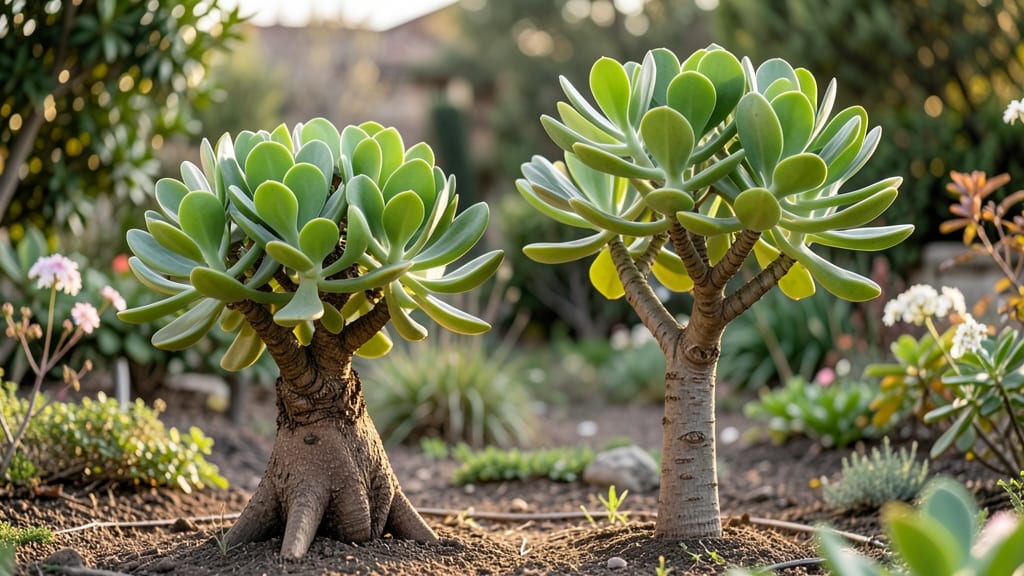
If you're wondering "how tall does jade plant grow", you're not alone—many plant lovers assume these succulents stay small forever. The truth?
Your 🌿 jade plant can reach 3 feet indoors or even 10 feet outdoors with the right conditions, but you can easily control its size with simple care tricks.
That said, most Jade Plants stay between 1-3 feet when grown indoors, making them perfect for small spaces. The key to keeping them compact lies in light exposure, pot size, and pruning habits—even if you prefer to skip the snipping.
Let me show you how to encourage a bushier, manageable shape without stress.
Whether you're a beginner or a seasoned plant parent, understanding these growth factors will save you from overwatering or oversized pots that stretch your plant unnaturally tall. We'll cover everything from soil tips to light placement, so you can enjoy a healthy, low-maintenance Jade Plant that fits your space perfectly.
Ready to learn how to keep your Jade Plant thriving at your ideal height? Let's dive into the secrets of compact growth—no pruning required!


Jade plant growth height: natural size range and factors affecting it
The jade plant (Crassula ovata) is a popular succulent known for its compact, tree-like appearance, but its height can vary dramatically based on growing conditions.
Indoors, these plants typically reach 2 to 3 feet tall with proper care, while outdoors in warm climates, they can grow 10 feet or taller—think small tree size! Understanding these differences helps you manage expectations and create the ideal environment for your plant.
One of the biggest factors influencing height is light exposure. Jade plants thrive in bright, direct sunlight, which encourages bushier, slower growth. Without enough light, they stretch unnaturally tall—a condition called etiolation—while too much direct sun can cause leaf burn.
Balancing these elements is key to maintaining a compact, healthy shape.
Another critical factor is pot size. Jade plants grow best when slightly root-bound, which encourages upward growth. A pot that’s too large will promote rapid root expansion and taller stems, while a snug pot (just 1-2 inches larger in diameter than the plant’s base) keeps growth manageable.
Always use pots with drainage holes to prevent root rot.
The soil mix also plays a role in height control. Jade plants prefer well-draining, sandy soil with minimal organic matter. A mix of cactus soil and perlite or pumice ensures proper drainage, preventing overwatering and the leggy growth that often follows.
Finally, pruning habits (or lack thereof) directly impact height. While jade plants can grow tall without pruning, strategic trimming encourages branching and a fuller shape. Pinching back the tips of stems promotes bushier growth, while removing taller stems redirects energy to side branches.
| Growth Factor | Indoor Height Range | Outdoor Height Range | Optimal Condition |
|---|---|---|---|
| Light Exposure | 2–3 feet | 10+ feet | 4–6 hours direct sun daily |
| Pot Size | Compact (1–2" larger) | Large containers or ground planting | Slightly root-bound |
| Soil Type | Well-draining cactus mix | Well-draining garden soil | 50% sand/perlite, 50% cactus soil |
| Pruning | 2–3 feet (with pruning) | Uncontrolled (10+ feet) | Pinch tips for bushiness |
| Watering | Slow, controlled growth | Faster growth | Soak-and-dry method |
If you’re growing your jade plant indoors, aim for a south-facing window or use grow lights to provide the bright light it craves. Without sufficient light, your plant may develop long, spindly stems as it reaches for sunlight.
Rotate the pot occasionally to ensure even growth and prevent leaning toward the light source.
For outdoor growers in USDA zones 9–11, jade plants can thrive as small trees, but they require protection from frost. In cooler climates, treat them as container plants and bring them indoors during winter.
Outdoor plants may grow taller due to unrestricted root space and more sunlight, so monitor their growth and prune as needed to maintain a manageable shape.
One common misconception is that jade plants grow slowly, but their growth rate depends entirely on conditions. With ideal light and soil, they can add 6–12 inches per year.
To slow growth naturally, reduce watering slightly and avoid fertilizing during the winter months, when the plant enters dormancy.
To visualize your jade plant’s potential height, imagine a small potted shrub indoors versus a small tree outdoors. With the right care, you can keep it within your desired space—whether that’s a windowsill garden or a sunny patio corner. The key is consistency in light, soil, and watering.
If you’re concerned about your jade plant growing too tall, start by assessing its current environment. Is it getting enough light? Is the pot too large?
Small adjustments can make a big difference in controlling height without pruning. The goal is a balanced, bushy plant that stays within your space while thriving.
Jade plant growth height: natural size range and factors affecting it
The jade plant (Crassula ovata) is famous for its slow, steady growth—perfect for busy plant parents. Indoors, it typically reaches 2 to 3 feet tall with proper care, while outdoors in warm climates, it can stretch up to 10 feet or more.
This succulent’s height depends on genetics, light exposure, and container size, so understanding these factors helps you manage its growth naturally.
For the first year, your jade plant will grow just 6 to 12 inches, developing thick, woody stems. By year two, it may double in height, reaching 1 to 2 feet.
Without intervention, most indoor jade plants mature between 2 and 3 feet, making them ideal for shelves or countertops. Outdoors, their growth accelerates due to abundant sunlight and space.
Light exposure is the biggest factor in jade plant height. Direct sunlight (4–6 hours daily) encourages faster, bushier growth, while low light causes leggy, stretched stems.
If your plant is growing too tall too quickly, it may need less intense light or a smaller pot to slow its vertical growth.
Pot size also plays a role. Jade plants thrive in root-bound conditions, so using a container that’s too large (more than 6 inches in diameter) can encourage rapid height growth. Choose a pot just 1–2 inches wider than the plant’s current base to keep it compact.
Soil composition affects growth too. A well-draining mix (like cactus or succulent soil) prevents overwatering, which can stress the plant and lead to uneven growth. Amending regular potting soil with perlite or sand (20–30%) ensures roots stay healthy and growth remains steady.
| Factor | Indoor Growth | Outdoor Growth |
|---|---|---|
| Light Exposure | 2–3 ft (bright light) | 10+ ft (full sun) |
| Pot Size | Slower growth (small pot) | Faster growth (ground or large pot) |
| Soil Type | Compact (succulent mix) | Spreads wider (well-draining soil) |
| Pruning | Encourages bushiness | Less needed (natural shape) |
Genetics also influence height. Some jade plant varieties, like the ‘Variegata’ or ‘Crested’ types, grow slower and stay shorter. If you’re growing a standard jade plant and notice it stretching toward light, it’s likely a sign of insufficient brightness.
Move it closer to a south-facing window or supplement with a grow light for 6–8 hours daily.
By controlling these factors—light, pot size, and soil—you can keep your jade plant at a manageable height without pruning. The key is patience: jade plants grow slowly, so let them develop naturally while adjusting care as needed.
With the right conditions, you’ll enjoy a healthy, compact plant for years to come. 🌿