
Plants
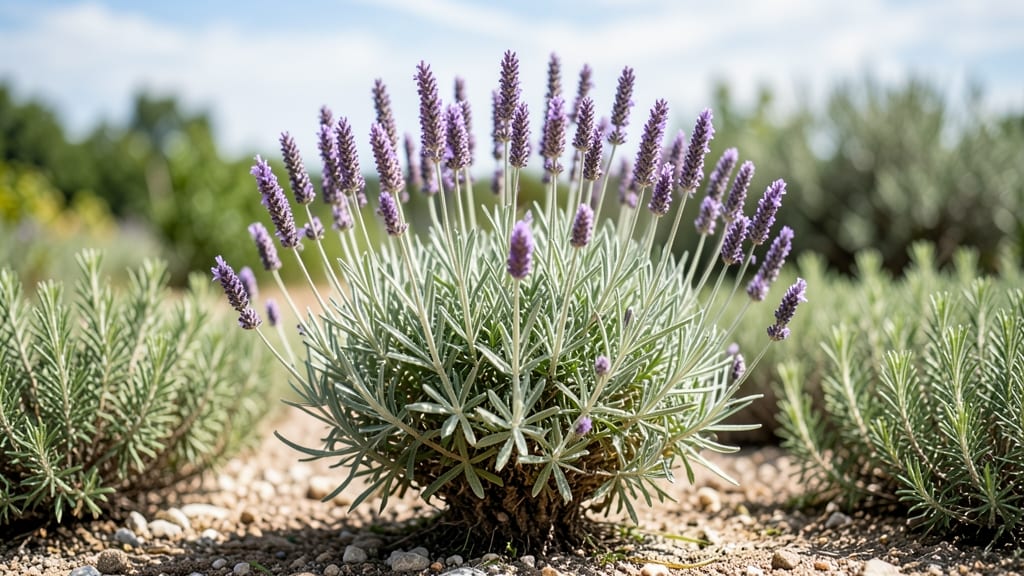
If you’ve ever wondered "how tall does a lavender plant grow", the answer might surprise you—because this fragrant 🌿 lavender can range from a dainty 1-foot bush to a towering 4-foot pollinator magnet, depending on the variety and care you provide.
For gardeners in USDA Zone 6a, where spring planting is ideal, choosing the right lavender type makes all the difference.
Compact varieties like 'Hidcote' stay neatly between 1-2 feet, perfect for window boxes or borders, while taller types like 'English lavender' can stretch up to 3-4 feet, creating stunning hedges or privacy screens.
But here’s the secret: height isn’t just about genetics—it’s also about how you care for it. Pruning at the right time, spacing plants properly, and giving them well-drained soil can keep even the tallest lavender in check.
Whether you’re dreaming of a fragrant border or a low-maintenance container plant, we’ll break down exactly what to expect—and how to shape your lavender to fit your space.
Ready to turn your garden into a fragrant paradise? Let’s dive into the heights, varieties, and care tips that will help you grow lavender that’s just the right size for your vision.


Lavender plant height by variety: exact growth ranges for 15 common types
Lavender height isn’t one-size-fits-all—it depends entirely on the variety you choose. Some stay as short as 12 inches, perfect for window boxes, while others grow to 4 feet, ideal for fragrant hedges. Understanding these differences helps you plan your garden layout and spacing from day one.
Most lavender varieties fall into three height categories: dwarf (1–2 ft), medium (2–3 ft), and tall (3–4 ft). The English lavender types, like 'Munstead', are classic medium-height choices, while Spanish lavender varieties often reach the taller end of the spectrum.
Let’s break down the exact heights for 15 popular types.
Knowing your lavender’s mature height also determines spacing requirements. Dwarf varieties need only 12 inches apart, while taller types should be planted 24–36 inches apart to prevent overcrowding and ensure good airflow. Proper spacing reduces disease risk and encourages bushier growth.
| Variety | Height Range | Growth Habit | Spacing |
|---|---|---|---|
| 'Hidcote' (English) | 18–24 inches | Bushy, compact | 12–18 inches |
| 'Munstead' (English) | 24–30 inches | Upright, rounded | 18–24 inches |
| 'Grosso' (English) | 30–36 inches | Tall, sturdy | 24–30 inches |
| 'Provence' (French) | 12–18 inches | Low, spreading | 12 inches |
| 'Papillon' (Spanish) | 36–48 inches | Tall, slender | 30–36 inches |
| 'Loddon Pink' (English) | td style="padding: 8px; border-bottom: 1px solid #ffcc00;">12–15 inchesDwarf, trailing | 12 inches | |
| 'Kew Red' (English) | 24–30 inches | Bushy, upright | 18–24 inches |
| 'Twickel Purple' (English) | 30–36 inches | Tall, fragrant | 24–30 inches |
| 'Anouk' (Hybrid) | 18–24 inches | Compact, bushy | 12–18 inches |