
How Tall Do Potato Plants Grow: Variety-Specific Heights Revealed

How To

How Tall Do Potato Plants Grow: Variety-Specific Heights Revealed

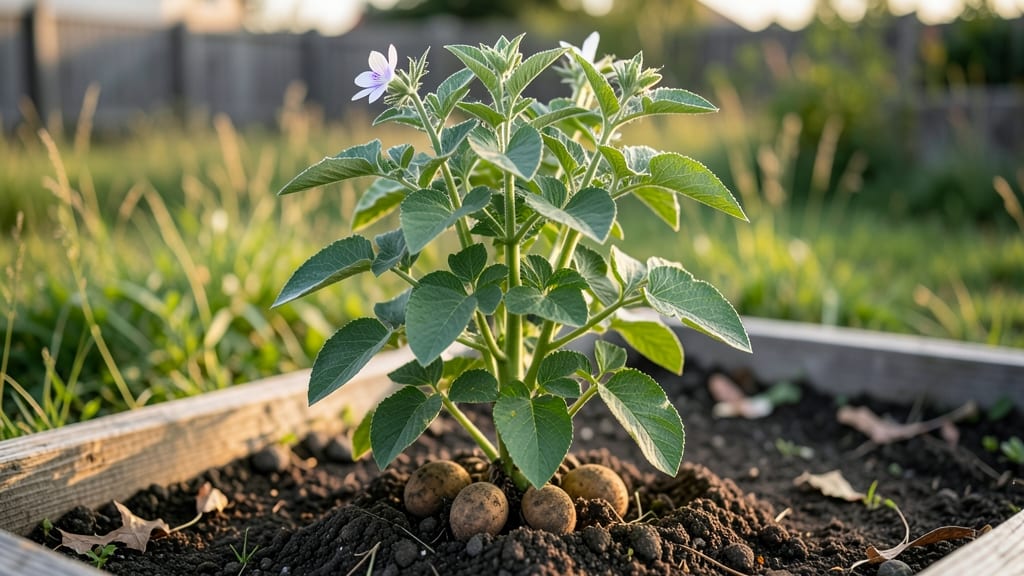
If you’ve ever wondered how tall does a potato plant grow, the answer might surprise you—because what’s above ground isn’t always what matters most. While most 🥔 potato varieties reach 1 to 3 feet tall, their real magic happens underground, where tubers develop in the soil.

But here’s the catch: not all potatoes play by the same rules. Some sprawl like vines, others stand upright like bushes, and dwarf varieties stay compact enough for containers.

Whether you’re planning a backyard garden or a small-space setup, knowing your plant’s growth habits is key to maximizing yield without sacrificing space.

In this guide, I’ll break down the height ranges by variety, share tips for managing tall growth, and clear up common misconceptions—like why foliage height doesn’t always match tuber depth. Ready to dig into the details?

Let’s start with the basics: which potatoes stretch skyward and which stay humble, plus how to work with their natural tendencies for a bountiful harvest.

Dwarf
6-12 inches (foliage)
Container friendly
Semi-Dwarf
1-2 ft (foliage)
Most popular
Standard
2-3 ft (foliage)
Full orchard size

Potato plant height by variety: tallest vs shortest growing types

Potato plants don’t grow like uniform bushes—their height can swing wildly depending on the variety you choose. Some sprawl like vines, reaching nearly 3 feet tall, while others stay compact at just 6 inches.

Understanding these differences helps you plan your garden layout and maximize your harvest space.

Most gardeners assume all potatoes grow the same height, but that’s a common misconception. The foliage height doesn’t always match the tuber depth below ground. For example, a 3-foot-tall plant might only have 12-inch-deep tubers, while a shorter plant could produce deeper, larger potatoes.

Here’s how the most popular potato varieties stack up in terms of height and growth habit. Whether you’re growing in a traditional garden bed or a container, knowing these details will help you choose the right variety for your space.

Variety Foliage Height Growth Habit Best For
Russet Potatoes 2–3 ft Bushy, upright Large gardens, baking
Yukon Gold 1–2 ft Medium bush Containers, small spaces
Fingerling Potatoes 1–2 ft Vine-like, sprawling Vertical gardens, trellises
Red Potatoes 1.5–2.5 ft Compact bush Salads, small plots
Purple Peruvian 1–1.5 ft Dwarf, bushy Containers, urban gardens
Sweet Potatoes 3–5 ft Vine-like, sprawling Trellises, large spaces

How to manage tall potato plants: pruning, support, and space-saving tips

Tall potato plants can quickly become unruly, especially varieties like Russet Potatoes or Sweet Potatoes that reach 3 to 5 feet. If left unchecked, their sprawling foliage can crowd out neighboring plants, block sunlight, and even make harvesting a nightmare.

The good news? With the right techniques, you can control height, save space, and even boost yields—without sacrificing your harvest.

One of the easiest ways to manage tall growth is by using cages or trellises. These not only keep plants upright but also improve airflow, reducing the risk of fungal diseases like blight.

For vine-like varieties, a simple 5-foot tomato cage works wonders, while bushier types benefit from wire mesh supports. Just be sure to secure them early—once plants are established, moving them becomes a struggle.

Pruning is another game-changer, especially for overgrown foliage. When your plants hit 2 feet tall, trim back the top leaves by about one-third to redirect energy to tuber production.

This technique, called deleafing, is common in commercial potato farming and works beautifully in home gardens. Just avoid cutting into the stem itself, as this can stress the plant.

🌱 Space-Saving Tips for Tall Potato Plants

  • ✅ Use vertical supports: Install trellises or cages at planting to guide growth upward.
  • ✅ Prune regularly: Trim top leaves when plants reach 2 feet to encourage tuber growth.
  • ✅ Choose dwarf varieties: Opt for Purple Peruvian or Yukon Gold for containers or small spaces.
  • ✅ Mulch heavily: Apply straw or grass clippings to retain moisture and suppress weeds.
  • ✅ Space plants wisely: Give tall varieties 18–24 inches between plants to avoid overcrowding.

Pro Tip: Harvest early for smaller, tender tubers if space is tight—this prevents plants from growing too tall.

If you’re growing potatoes in containers, focus on compact varieties like Fingerlings or Red Potatoes, which stay under 2 feet. Use large pots (at least 12 inches deep) and fill them with well-draining soil mixed with compost.

For containers, I recommend 5-gallon buckets or fabric grow bags—they’re lightweight and allow for easy harvesting.

One common mistake is assuming that taller plants always mean bigger tubers. In reality, the opposite is often true—overly tall foliage can signal poor tuber development.

If your plants are stretching toward the light, they’re likely nutrient-deficient or overcrowded. Adjust your spacing, add a balanced fertilizer, and watch them respond within weeks.

For those with limited space, consider intercropping—planting fast-growing companions like radishes or lettuce between potato rows. This maximizes your yield without sacrificing growth. Just avoid planting potatoes near tomatoes or peppers, as they share diseases and compete for nutrients.

Remember, the goal isn’t to stifle your plants but to guide their growth for a healthier, more manageable harvest. With the right support and care, even the tallest potato plants can thrive—and so can your garden!

★★★★★4.9(9 reviews)
Categories How To