
Plants
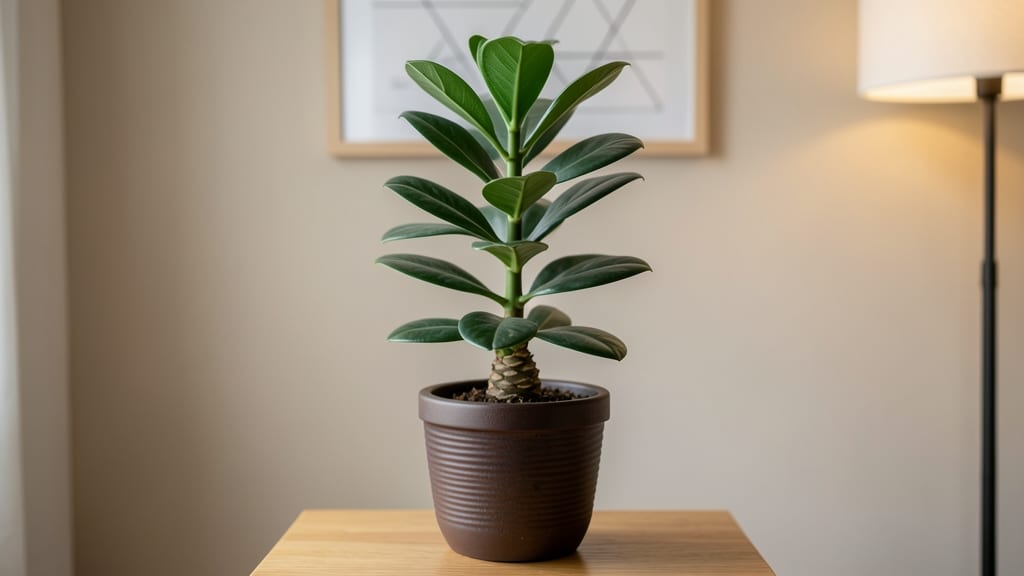
Wondering how tall does a ZZ plant grow before it outgrows your space? If you’ve ever eyed this glossy, low-maintenance 🌱 and hesitated because of its potential size, you’re not alone.
The good news? ZZ plants are masters of adaptability—they’ll happily stay compact in small pots or stretch toward the ceiling if given the chance.
On average, a mature ZZ plant reaches 2 to 3 feet tall indoors, but with the right care, you can keep it shorter for years. Whether you’re working with a 6a zone or just a cozy apartment corner, understanding their growth habits is the key to keeping them manageable.
Let’s break down what influences their height and how to control it.
Light plays a bigger role than you might think—too little, and your ZZ will grow leggy; too much direct sun, and it might scorch. The secret to a healthy, controlled height lies in balancing these factors, from pot size to pruning.
Ready to learn how to keep your ZZ plant at your ideal height?
From year-round indoor care to simple tricks for managing growth, we’ll cover everything you need to know. Whether you’re a beginner or a seasoned plant parent, these tips will help you enjoy your ZZ plant without it turning into an unruly giant.


ZZ plant height limits: how tall can it grow indoors?
If you’re wondering how tall a ZZ plant can grow indoors, the answer depends on several factors—including its age, care routine, and growing conditions. On average, a mature ZZ plant (Zamioculcas zamiifolia) reaches 2 to 3 feet tall and 1 to 2 feet wide when given proper care.
However, some specimens can stretch taller, especially if they’re stretched for light or overcrowded in their pot.
Young ZZ plants grow slowly, often staying under 1 foot tall in their first year. By year two, they typically reach 1.5 to 2 feet, and full maturity is usually achieved by year three.
The key to controlling height lies in light exposure, pot size, and pruning habits, which we’ll explore further below.
ZZ plants are known for their compact growth habit compared to other houseplants. Unlike fast-growing species like pothos or spider plants, ZZ plants grow at a moderate pace, making them ideal for small spaces.
With the right care, you can keep them at a manageable size—even in tiny apartments or office desks.
Now, let’s break down the realistic height ranges and what influences them:
| Stage | Height Range | Factors Affecting Growth |
|---|---|---|
| Year 1 | 12–24 inches | Slow growth; minimal light needed |
| Year 2 | 24–36 inches | Moderate growth; responds to brighter light |
| Mature (Year 3+) | 24–48 inches | Stable growth; prone to stretching without light |
One common misconception is that ZZ plants will grow indefinitely tall if left unchecked. While they’re not aggressive climbers like ivy, they can become leggy if deprived of bright, indirect light.
In low-light conditions, stems may stretch up to 4 feet or more, but the foliage will be sparse and weak.
To keep your ZZ plant at a manageable height, focus on three key factors: light exposure, container size, and regular pruning. For example, placing your plant near a north-facing window (where it gets 2–4 hours of indirect light daily) will encourage bushier, more compact growth.
Avoid south-facing windows, which can scorch the leaves.
Another factor is pot size. ZZ plants thrive in snug containers—root-bound conditions actually encourage denser foliage. If you notice roots circling the pot, it’s time to repot into a container just 1–2 inches larger in diameter. Over-potting can lead to rapid (and often leggy) growth.
For those with limited vertical space, pruning is your best friend. You can trim leggy stems just above a leaf node to encourage branching. Propagate the cuttings in water or soil to grow new plants—it’s a great way to control height while expanding your collection!
If you’re still unsure about your ZZ plant’s growth potential, observe its leaf size and spacing. Healthy, compact growth means leaves are glossy, dark green, and spaced closely together.
If you see long, bare stems with sparse leaves, it’s a sign your plant needs more light or a pruning session.
Remember, ZZ plants are low-maintenance champions—they’ll forgive occasional neglect, but they’ll reward you with lush, controlled growth when given the right conditions. With these tips, you can enjoy a perfectly sized ZZ plant that fits seamlessly into your space. 🪴
ZZ plant height limits: how tall can it grow indoors?
The ZZ plant's mature height typically ranges from 2 to 3 feet indoors, but this can vary dramatically based on care. In ideal conditions—bright, indirect light and proper pot size—your plant may reach its full potential.
However, many ZZ plants stay smaller for years, especially in low-light conditions or when root-bound.
For example, a ZZ plant in a 6-inch pot might max out at 18 inches, while the same plant in a 12-inch pot could easily hit 36 inches. The key is understanding how to influence growth without sacrificing health.
Let’s explore the factors that determine your ZZ plant’s height and how to keep it at your desired size.
🌱
| Growth Factor | Impact on Height | Ideal Range |
|---|---|---|
| Pot Size | Smaller pots = slower growth | 6"–12" for compact growth |
| Light Exposure | Low light = leggy growth | Indirect, bright light |
| Pruning | Regular pruning = bushier, shorter | Trim stems to 4"–6" |
| Fertilizer | Over-fertilizing = faster growth | Balanced feed every 4–6 weeks |
If you’re aiming for a compact ZZ plant, focus on light management and pot selection. ZZ plants grow faster in larger containers, so if you want to keep yours small, stick to a 6-inch pot or smaller.
Even in these conditions, your plant will still grow—just more slowly and in a controlled manner.
Another way to influence height is through pruning. Trimming leggy stems encourages bushier growth, which can make your ZZ plant appear fuller without adding much height. Simply snip stems back to a 4-inch node, and you’ll see new shoots emerge from the base, creating a denser plant.
For those in USDA Zone 6a or colder, ZZ plants are strictly indoor plants, so outdoor factors like temperature won’t affect their height.
Instead, focus on indoor conditions—humidity levels, watering habits, and soil quality all play a role in keeping your ZZ plant healthy and at your desired height.
🌿