
How To
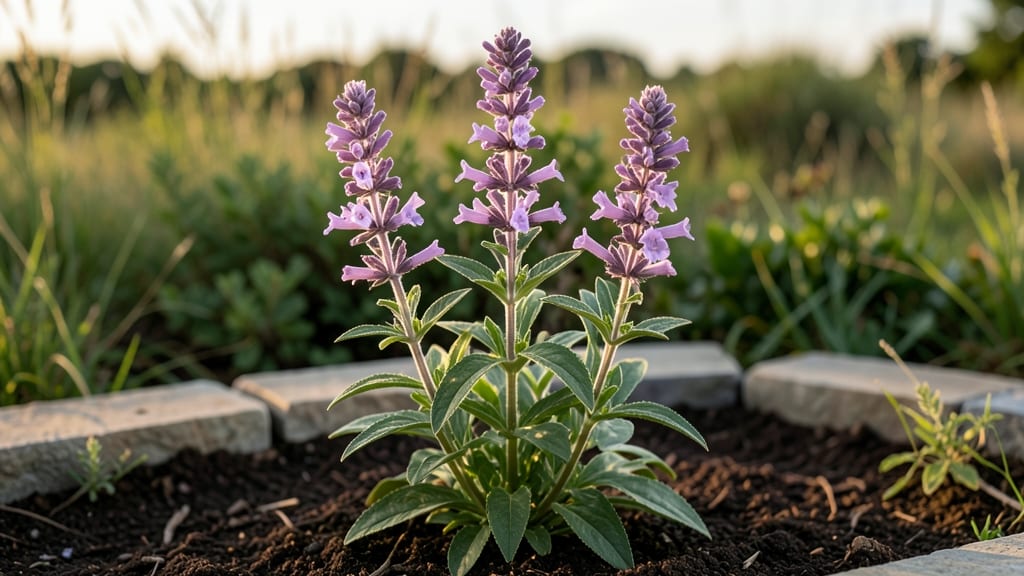
If you're wondering how tall does obedient plant grow, the answer might surprise you—this easygoing perennial can range from a compact 1-foot shrub to towering 3-foot flower spikes, depending on the variety you choose. 🌿 The key lies in selecting the right type for your space, whether you want a neat border plant or a dramatic backdrop for your garden.
Obedient plants thrive in USDA Zone 6a and beyond, making them a versatile pick for spring gardens. Their height isn’t just about aesthetics—it also affects how much sunlight and water they need. Taller varieties may require staking, while dwarf types fit perfectly in containers or small beds without taking over.
What’s even better? Their growth habits are predictable, so you can plan your garden layout with confidence. Whether you’re aiming for a 2-foot accent plant or a 3-foot privacy screen, I’ll break down the exact varieties to match your vision—and how to keep them looking their best all season long.
Ready to transform your garden with this low-maintenance beauty? Let’s dive into the details so you can pick the perfect obedient plant for your space—and avoid the common mistakes that lead to overgrown (or underwhelming) results.


Obedient plant height ranges by variety: dwarf to giant sizes
The obedient plant (Physostegia virginiana) is a versatile perennial that can range from compact 1-foot dwarfs to towering 4-foot giants, depending on the variety.
Knowing these height ranges helps you choose the perfect plant for your garden layout—whether you need a border accent or a privacy screen. Most varieties mature in 2-3 years, so patience pays off for full-size blooms.
For example, the 'Little Obie' variety stays under 2 feet tall, making it ideal for container gardens or front-of-border plantings. Meanwhile, the 'Sum and Substance' variety can reach 4 feet or taller, perfect for backyard privacy or woodland garden edges.
Your choice directly impacts spacing needs and pruning frequency.
Here’s a quick reference for popular obedient plant varieties and their mature heights:
When selecting a variety, consider your garden’s light conditions and USDA zone. Most obedient plants thrive in zones 4–9 and prefer partial shade, but taller varieties like 'Sum and Substance' may need more support in windy areas. Always check the plant tag for specific care notes.
Pro tip: If you’re unsure about spacing, err on the side of more room. Obedient plants have aggressive roots and can spread wider than their height suggests. For example, a 3-foot-tall plant might need 3 feet of space to prevent overcrowding.
Height also affects bloom visibility. Taller varieties produce longer flower spikes, making them stand out in backyard plantings, while dwarf varieties add color at eye level in front gardens. Plan accordingly to create visual interest.
For container gardening, choose dwarf varieties like 'Little Obie' or 'Miss Manners' and pair them with complementary perennials like heuchera or sedge to fill space. In ground plantings, taller varieties work best when placed behind shorter perennials to avoid blocking sunlight.
Remember, obedient plants grow slowly in their first year but gain half their mature height by year two. Patience is key—don’t rush pruning or expect instant results. With the right variety and spacing, you’ll have a neat, thriving obedient plant that fits perfectly in your garden design.
Need help choosing? Start by measuring your garden bed and matching it to the spacing recommendations above. If you’re still unsure, opt for a medium-height variety like 'Vivid'—it’s versatile and forgiving for beginners.
🌿
Obedient plant height ranges by variety: dwarf to giant sizes
Choosing the right obedient plant variety is key to controlling its height—some stay compact while others reach towering 4-foot spikes. The Little Obie variety tops out at just 1-2 feet, making it perfect for containers, while Sum and Substance can hit 3-4 feet in ideal conditions.
Knowing these ranges helps you plan spacing and avoid overcrowding in your garden beds.
Most obedient plants mature between 2-3 feet, but their growth habits vary. Some varieties like 'Vivid' grow upright, while others like 'Miss Manners' spread wider. This variation means your garden layout should account for both height and spread to keep your space organized and visually balanced.
Here’s a quick reference for obedient plant height ranges by variety, including ideal spacing to prevent competition:
| Variety | Mature Height | Spacing Needs | Best For |
|---|---|---|---|
| Little Obie | 1–2 ft | 12–18 in apart | Containers, borders |
| Miss Manners | 2–3 ft | 18–24 in apart | Mid-border planting |
| Sum and Substance | 3–4 ft | 24–36 in apart | Back of beds, privacy screens |
| Vivid | 2.5–3.5 ft | 18–24 in apart | Cut flower gardens |
If you’re growing obedient plants in containers, opt for dwarf varieties like Little Obie—they thrive in 5-gallon pots with proper drainage. Larger varieties need deeper containers (at least 12 inches deep) to support their root systems and prevent flopping.
Always use well-draining soil to avoid root rot, which can stunt growth.
Height isn’t the only factor—sunlight exposure also affects growth. While obedient plants tolerate partial shade, varieties like Sum and Substance grow 20% taller in full sun.
If your garden gets morning sun only, expect slightly shorter blooms but longer flowering periods. Adjust spacing accordingly to avoid shade competition between plants.
For USDA zones 5-9, obedient plants typically reach their mature height by their second growing season. In colder zones (like zone 4), growth may be slower, so plan for 1-2 extra inches50°F.
Pro tip: If your obedient plant starts leaning or flopping, it’s not necessarily a height issue—it may need staking or pruning. We’ll cover those techniques in the next section to keep your plants neat, upright, and thriving all season. 🌿