
How To
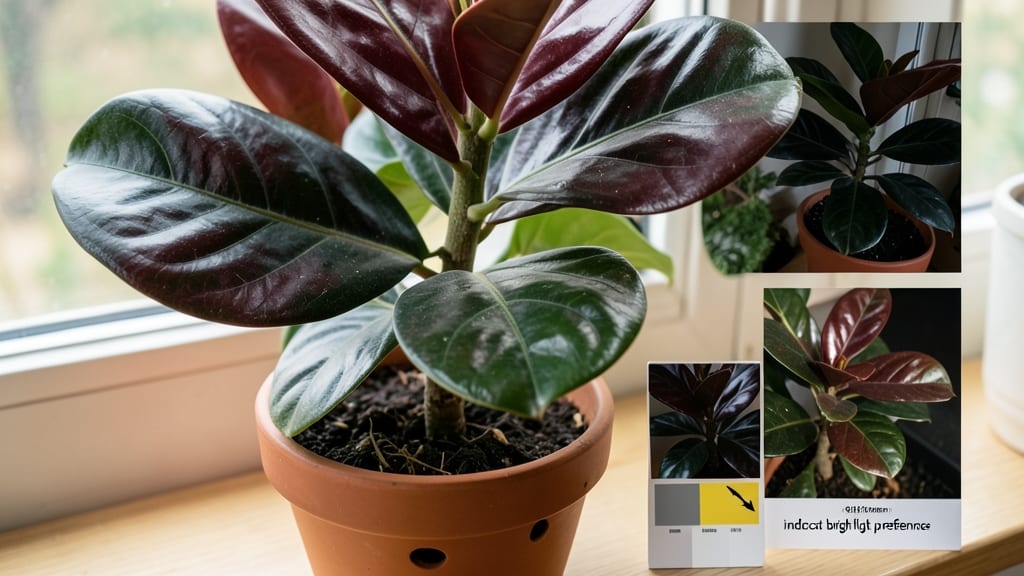
Your rubber plant’s how much light needs are the secret weapon for keeping those bold, glossy leaves thriving—or watching them slowly fade into dull, crispy disappointment. Too much direct sun? Instant leaf burn. Too little light?
Leggy, weak growth that looks like it’s begging for a vacation in a sunroom. The good news? Finding that sweet spot isn’t rocket science, and I’ll show you exactly how to nail it.
Rubber plants (Ficus elastica) love bright indirect light, but they’re surprisingly adaptable—meaning you don’t need a greenhouse to grow one.
Whether you’re dealing with a dim corner office or a south-facing window that feels like a sauna, I’ll break down the exact light conditions your plant craves and how to tweak your setup for year-round success. No guesswork, just lush, happy growth.
Think your plant is struggling because it’s “picky”? Think again. The truth is, most rubber plants suffer from misplaced assumptions about their light needs. I’ll debunk the myths—like whether east windows are better than west—and share pro tips for adjusting as seasons change.
By the end, you’ll know not just how much light your rubber plant needs, but where to put it for maximum impact.
Ready to turn your plant from “meh” to “wow”? Let’s dive into the simple, science-backed rules that’ll keep your rubber plant’s leaves vibrant, its growth strong, and your green thumb feeling like a total success. No fancy tools required—just smart placement and a little patience.

Optimal rubber plant light requirements: bright indirect light explained
Rubber plants (Ficus elastica) crave bright indirect light—think of it as their version of a cozy reading nook, where sunlight filters through sheer curtains instead of hitting them head-on. The ideal range sits between 2,500–10,000 lux, which mimics the dappled light of their native tropical understory.
Too little light, and your plant stretches toward the window like a sleepy cat reaching for warmth; too much, and those glossy leaves develop scorched brown edges that scream "sunburn!"
Most homes struggle to measure lux, so here’s a real-world trick: Place your rubber plant 2–3 feet from an east or west-facing window. These windows provide gentle morning or afternoon sun without the harsh midday glare of a south-facing window.
North-facing windows work too, but your plant may grow leggy and sparse if the light feels too dim. Artificial light can help here—more on that later!
🌿
| Light Condition | Lux Range | Plant Response | Best For |
|---|---|---|---|
| Bright Indirect | 2,500–10,000 lux | Healthy growth, glossy leaves | East/west windows, 2–3 ft away |
| Low Light | <1,000 lux | Leggy growth, pale leaves | North windows, deep corners |
| Direct Sun | >10,000 lux | Brown leaf edges, crispy texture | South windows, no filter |
Notice how south-facing windows can be a double-edged sword? While they offer the most light, the midday sun (especially in summer) can fry your rubber plant’s leaves in hours.
If you must place your plant there, use a sheer curtain to diffuse the light or rotate the pot weekly so all sides get even exposure.
Pro tip: Variegated rubber plants (with white or yellow streaks) need even more light—they’re like the divas of the plant world and demand at least 4–6 hours of bright indirect light daily to keep their patterns vibrant.
Artificial light can bridge the gap if natural light falls short. LED grow lights (especially those with a 5,000–6,500K color temperature) mimic sunlight best. Place them 6–12 inches above your plant and provide 12–14 hours of light per day to compensate for weak winter sunlight.
Fluorescent bulbs work too, but they’re less efficient—your plant will need closer proximity (3–6 inches) and longer exposure.
Seasonal shifts throw off even the best-laid plans. In winter, when days shorten, supplement with a grow light or move your rubber plant to a sunnier spot (like a sunroom or near a skylight).
Conversely, in summer, watch for heat stress: If your home gets stuffy, increase humidity with a pebble tray or misting to help your plant recover from occasional afternoon sun.
🪴
Here’s how to diagnose light issues before they spiral: Check your plant’s leaves for these clues: - Yellowing leaves? Too much direct sun or overwatering. - Brown, crispy edges? Sunburn from harsh light. - Stretchy stems with small leaves? Not enough light (the plant is reaching for more). - Dull, dusty leaves? Low light + poor air circulation.
Your rubber plant’s light needs aren’t just about survival—they’re about showcasing its full potential. With the right balance, those bold leaves will stay deep green and glossy, and your plant will grow taller, bushier, and more resilient.
Start by testing your home’s light levels, then adjust gradually. Patience is key—your rubber plant will thank you with years of lush, vibrant growth!
How to fix rubber plant light issues: step-by-step recovery guide
If your rubber plant’s leaves are yellowing, crisping, or stretching toward the window, it’s time to adjust its light exposure. The good news? Most light-related issues are reversible with the right approach.
Start by identifying the problem—too little light causes leggy growth, while too much direct sun leads to brown patches or bleached spots.
For low-light issues, move your plant closer to a window, ideally an east-facing one, where morning sun is gentle. If that’s not possible, supplement with a grow light (more on this below).
Rotate the plant quarter-turns weekly to ensure even growth and prevent it from leaning toward the light source.
For over-exposure, immediately relocate your rubber plant to a spot with filtered light, like a sheer curtain or a north-facing window. If you can’t move it right away, shade it with a light-colored fabric to diffuse harsh rays.
Avoid placing it near south-facing windows in peak summer hours (11 AM–3 PM).
🌱 Step-by-Step Recovery Guide
- Assess the damage: Check for yellow leaves (low light), brown patches (sunburn), or stretched stems (etiolation).
- Move gradually: If relocating, do it over 7–10 days to avoid shocking the plant. Place it 2–3 feet from the window.
- Supplement with grow lights: Use a LED grow light (6,000–7,000K) for 12–14 hours/day if natural light is insufficient.
- Prune damaged leaves: Trim yellow or crispy leaves with sterilized scissors to redirect energy to healthy growth.
- Adjust watering: Low-light plants need less frequent watering (every 10–14 days), while sun-stressed plants may need more moisture to recover.
- Monitor humidity: Rubber plants thrive in 40–60% humidity. Use a pebble tray or humidifier if air is dry.
Seasonal changes can also throw off your rubber plant’s light balance. In winter, when daylight is shorter, move it to the brightest spot in your home or extend light exposure with a timer-controlled grow light.
In summer, watch for longer daylight hours—if leaves start burning, increase distance from the window or use a sheer curtain.
Pro tip: Variegated rubber plants (with white or yellow streaks) are more sensitive to light than solid-green varieties. They need slightly brighter conditions to maintain their striking patterns. If the variegation fades, it’s a sign they’re not getting enough light.
With these adjustments, your rubber plant should bounce back in 4–8 weeks, depending on the severity of the issue. Patience is key—rush recovery by overwatering or over-fertilizing, and you’ll undo all your progress. Stick to the basics, and you’ll have a thriving, glossy-leaved rubber plant in no time! 🌿