
Companion Plants
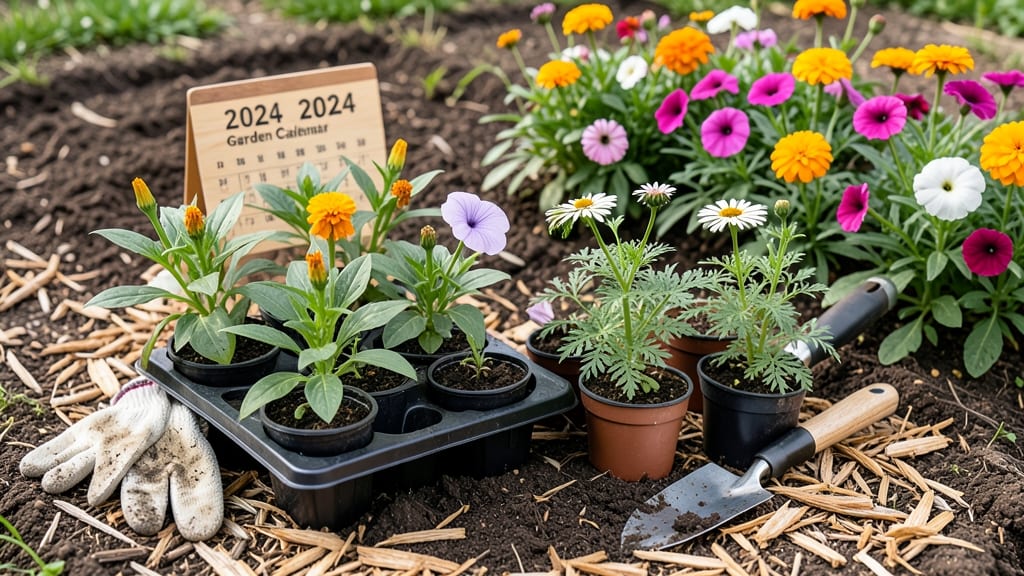
Planting your 🌸 annuals at the wrong time in Zone 7 can mean the difference between a garden bursting with color and a sad, struggling seedling. The key isn’t just waiting for spring—it’s knowing the exact soil temperature triggers that signal it’s finally safe to plant.
Most gardeners in Zone 7 make one critical mistake: they plant too early, only to watch their seeds rot in cold soil.
But with the right timing—typically when soil reaches 50°F for cool-season crops or 60°F+ for warm-season favorites—you’ll unlock a growing season that stretches from early spring to late summer.
In this guide, I’ll break down the precise planting windows for your favorite annuals, from marigolds to basil, and share pro tips to extend your harvest. Whether you’re a first-time gardener or a seasoned green thumb, these insights will help you avoid common pitfalls and maximize your garden’s potential.
Ready to transform your garden? Let’s dive into the science of soil temperatures and discover the best times to plant your 🌸 annuals for a thriving, vibrant season.
Zone 7 planting calendar: exact soil temperature ranges for annual germination
Timing your annual plantings in Zone 7 isn't just about avoiding frost—it's about hitting precise soil temperature triggers that jumpstart germination. Most cool-season annuals need soil at 50°F (10°C) or warmer, while warm-season varieties thrive when soil hits 60°F (15.5°C) or above.
These thresholds vary by microclimate within Zone 7, from the Piedmont's cooler nights to the Coastal Plain's warmer soils.
For example, spinach and lettuce can handle soil as cool as 40°F (4°C), but tomatoes and peppers won't germinate until soil warms to 70°F (21°C). Missing these windows often leads to slow starts or failed germination—don't let that happen to your seed packets!
Here's the key: Use a soil thermometer to confirm temperatures before planting. In Zone 7, early spring plantings (like pansies) can begin as early as late February in southern sub-zones (7a), while northern areas (7b) should wait until mid-March.
Warm-season crops like marigolds or basil shouldn't go in until mid-April or later.
| Season | Soil Temp Trigger (°F) | Planting Window (Zone 7) | Example Annuals |
|---|---|---|---|
| Cool Season | 40-50°F (4-10°C) | Late Feb - Early April | Spinach, Lettuce, Kale, Pansies |
| Warm Season | 60-70°F (15.5-21°C) | Mid-April - Late May | Tomatoes, Peppers, Basil, Marigolds |
| Fall Cool Season | 50-60°F (10-15.5°C) | Late Aug - Mid-Sept | Swiss Chard, Radishes, Cosmos |
| Late Summer Warm Season | 65°F+ (18°C+) | Late July - Early Aug | Sunflowers, Zinnias, Okra |
Zone 7's last frost dates average around March 15, but don't rush—soil warms slower than air. Test it for 3 consecutive days at the target temperature before planting. For instance, cole crops like broccoli need 50°F (10°C) soil for 10+ days to establish roots before transplanting.
If your soil is too cold, try black plastic mulch or straw bales to warm it faster. Conversely, shade cloth can delay planting for heat-sensitive crops like basil in late May when daytime temps soar. Always check 7-day forecasts for overnight lows—below 50°F (10°C) can stunt young seedlings.
For succession planting, sow fast-growing annuals like radishes every 2 weeks from March through August. This ensures a steady harvest while maximizing your garden's potential. In Zone 7b, you can even squeeze in a fall crop of kale or turnips by planting in late August.
Regional variations matter too. The Coastal Plain (e.g., Savannah, GA) may have warmer soils by March 1, while the Piedmont (e.g., Atlanta, GA) might need to wait until April 1. Check local Cooperative Extension data for precise microclimate adjustments.
Don't overlook container gardening—pots warm up faster than soil, letting you plant warm-season crops like peppers 1-2 weeks earlier. Just ensure containers have drainage holes to prevent waterlogged roots, which can rot seeds before they sprout.
Finally, keep a planting journal to track what works in your specific Zone 7 microclimate. Note soil temps, planting dates, and outcomes—this data becomes invaluable for future seasons. With these soil temperature triggers mastered, you'll transform from guessing to growing with confidence!
Zone 7 planting calendar: exact soil temperature ranges for annual germination
In Zone 7, the last average frost date typically falls around March 15, but that’s just the starting point. The real magic happens when your soil temperature hits the right thresholds for germination.
For cool-season annuals like lettuce and pansies, aim for 40°F–50°F soil—this usually aligns with early March in most of Zone 7.
Warm-season favorites, including tomatoes, peppers, and marigolds, need 60°F–70°F soil to germinate successfully. These temps typically arrive in late April to early May, depending on your specific microclimate. For example, Coastal Plain regions may hit these temps 2–3 weeks earlier than the Piedmont area.
🌱 Pro Tip: Use a soil thermometer to check temps at a 2-inch depth—this is the depth where most seeds germinate. If your soil is still below the ideal range, hold off on planting to avoid rot and poor germination.
| Plant Type | Ideal Soil Temp (°F) | Zone 7 Planting Window | Examples |
|---|---|---|---|
| Cool-Season Annuals | 40°F–50°F | Early March–Mid-April | Lettuce, Spinach, Pansies, Snap Peas |
| Warm-Season Annuals | 60°F–70°F | Late April–Early May | Tomatoes, Peppers, Basil, Marigolds, Sunflowers |
| Heat-Tolerant Annuals | 70°F+ | Mid-May–June | Okra, Sweet Potatoes, Cosmos, Zinnias |
If you’re eager to start planting but your soil is still too cold, consider using row covers or cold frames to create a microclimate that warms up faster. These tools can push your planting window forward by 2–4 weeks, giving you an edge on the growing season.
For late summer plantings, watch for soil temps to drop below 60°F—this signals it’s time to transition to cool-season crops like kale or radishes. In Zone 7, this usually happens in late August to early September, just in time for a fall harvest.
🌿 Key Takeaway: Soil temperature is the #1 factor in successful annual germination. Don’t guess—measure and adjust your planting schedule to match these proven thresholds for Zone 7.