
Companion Plants
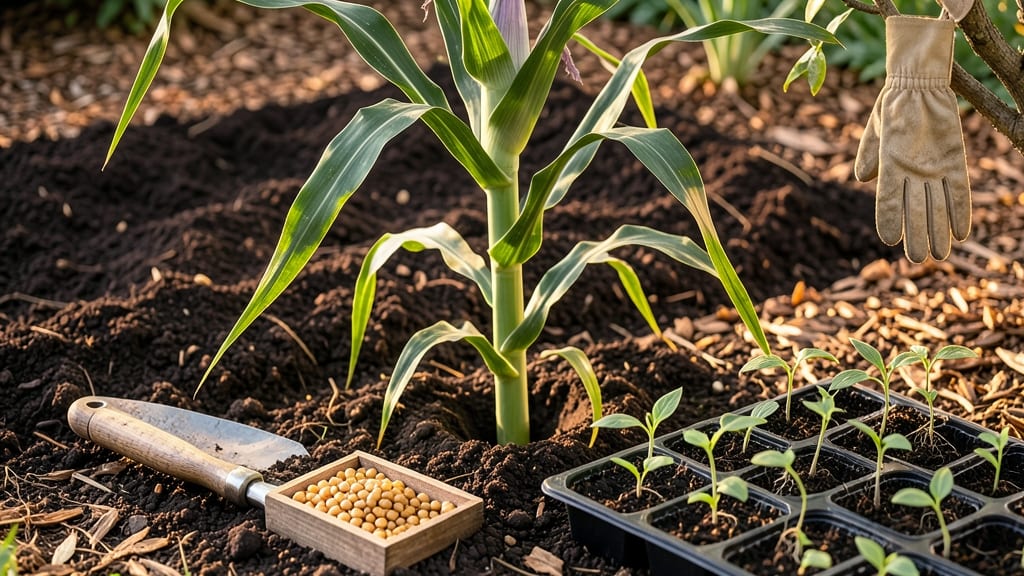
Knowing when to plant corn in Zone 7 could make or break your harvest—get the timing wrong, and you might end up with stunted 🌽 or worse, no ears at all.
The difference between a thriving garden and a failed crop often comes down to those critical weeks before your last frost date.
For Zone 7 gardeners, the sweet spot for planting corn typically falls between mid-April and early May, once soil temperatures consistently reach 50°F.
But here's the catch: your exact planting window depends on whether you're using direct sowing or starter plants, and even local microclimates can shift that timeline by a week or more.
I’ll walk you through how to pinpoint the perfect moment for your area, including soil prep tips and companion plants that boost yields. Whether you're a first-time grower or a seasoned pro, these insights will help you avoid common mistakes and maximize your corn harvest.
Let’s dive into the exact steps to time your planting for peak yields, so you can enjoy fresh, homegrown corn from late summer right through fall.
Zone 7 corn planting calendar: exact weeks before last frost for optimal growth
Corn thrives when planted at the right time in Zone 7, where the average last frost date is around April 15. Planting too early risks frost damage, while waiting too long shortens the growing season.
For most corn varieties, aim to plant 2-3 weeks after your last frost date—typically mid-April to early May—to balance warmth and daylight.
Corn needs 60-90 days to mature, depending on the variety. In Zone 7, this means starting seeds indoors or outdoors no later than June 1 for a late-summer harvest.
Early planting (before April 15) is risky unless you use row covers or a greenhouse to protect seedlings from late frosts.
Soil temperature is critical—corn seeds won’t germinate well below 50°F (10°C). Use a soil thermometer to confirm your garden bed has reached at least 60°F (15°C) before planting. In Zone 7, this usually aligns with mid-to-late April, but coastal areas may warm up faster than inland regions.
For precise timing, calculate your frost-free days. Zone 7 typically offers 165 frost-free days, leaving enough time for two successful plantings if spaced 4-6 weeks apart. The first planting should occur 2-3 weeks after last frost, with a second planting by early June for a late harvest.
| Planting Window | Soil Temp Requirement | Days to Maturity | Best Varieties |
|---|---|---|---|
| Early Season (Mid-April) | 60°F+ (15°C+) | 90 days | Silver Queen, Country Gentleman |
| Mid-Season (Early May) | 65°F+ (18°C+) | 75 days | Peaches and Cream, Honey & Pearl |
| Late Season (Early June) | 70°F+ (21°C+) | 60 days | Early Sunglow, Golden Bantam |
Regional variations within Zone 7 matter. Coastal areas (e.g., North Carolina coast) may plant 1-2 weeks earlier due to milder temperatures, while inland zones (e.g., Tennessee or Kentucky) should wait until soil warms fully.
Check local almanac records or use a frost calendar for your specific county to refine timing.
If you’re unsure about your last frost date, use biodegradable row covers to extend the season. These can protect seedlings planted 2 weeks earlier than your typical window. Remove covers once plants reach 12 inches tall to avoid overheating.
For succession planting, sow a second batch 4-6 weeks after the first to ensure a continuous harvest. This works best with short-season varieties (e.g., Golden Bantam, which matures in 60 days). Space plantings to stagger harvests from late summer to early fall.
Always test your soil’s pH (6.0-7.0 ideal) and nitrogen levels before planting. Corn is heavy feeders, so amend soil with compost or aged manure 4-6 weeks before sowing. A soil test kit (available at garden centers) makes this easy and ensures your corn gets the nutrients it needs to thrive.
Finally, plant corn in blocks, not rows, to improve pollination. This means spacing plants 12-18 inches apart in a grid pattern. The more pollen transfer, the better your yield—and the fewer blind ears (ears missing kernels) you’ll encounter.
With the right timing and care, your Zone 7 corn will reach heights of 6-10 feet and produce sweet, plump ears ready for harvest by late summer. 🌽
How to adjust corn planting for Zone 7’s microclimates and soil conditions
Zone 7’s diverse microclimates—from coastal humidity to inland dryness—can drastically affect your corn planting success. If you’re in a coastal area, like Virginia Beach, you might plant 2-3 weeks earlier than inland areas like Raleigh, where cooler nights delay soil warming.
Always adjust for your specific local frost dates and soil conditions.
Your soil type plays a huge role too. Sandy soil warms up faster but drains quickly, while clay soil holds moisture longer but stays cooler. Amend both with compost to improve fertility and drainage.
For example, mix in 2-3 inches of compost before planting to boost organic matter and help retain moisture.
Here’s how to fine-tune your approach based on your garden’s unique conditions:
Adjusting for Microclimates & Soil
| Factor | Coastal Zone 7 | Inland Zone 7 |
|---|---|---|
| Soil Warming | Faster (plant 2 weeks early) | Slower (wait until soil hits 60°F) |
| Water Needs | Higher humidity = less watering | Drier air = daily watering in summer |
| Soil Amendments | Add compost + sand for drainage | Add compost + peat moss for moisture |
| Planting Depth | 1 inch deep (warmer soil) | 1.5 inches deep (cooler soil) |
🌱 Pro Tip: Use a soil thermometer to confirm soil temps before planting—corn roots need consistent warmth to thrive.
For urban gardens with limited space, opt for dwarf varieties like ‘Bodacious’ or ‘Golden Bantam,’ which mature in 60-75 days and grow just 4-6 feet tall. These work well in containers or small raised beds, making them perfect for balconies or patios.
If you’re growing in clay-heavy soil, consider raised beds or hill planting to improve drainage. Mound soil into 6-inch-high hills and plant seeds on top—this helps prevent waterlogging and speeds up germination in cooler conditions. Mulch with straw after planting to retain moisture and suppress weeds.
Finally, succession planting is key for continuous harvests. In Zone 7, you can plant two crops: one in early May and another in late June. This ensures fresh ears from July through September, even if your first planting faces early frost risks.
Just be sure to stagger plantings by 2-3 weeks for best results.