
Companion Plants
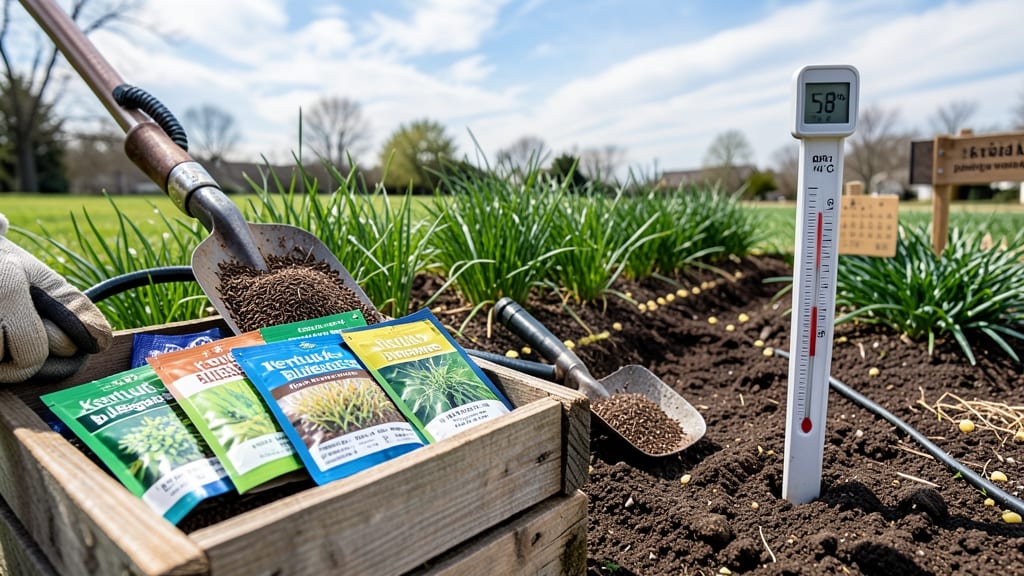
If you're asking "when can I plant grass in the spring", timing is everything—get it wrong, and you'll waste seeds or invite frost damage. The key isn't just waiting for warm weather; it's tracking soil temperatures and local frost patterns to give your 🌱 lawn the best start.
Most gardeners in Zone 6a (like me!) can plant as early as March, but rushing too soon means seeds may rot in cold soil. The magic number is 55°F—when the ground consistently hits that mark, it's go time.
I'll show you how to check your soil and avoid the most common mistakes that turn green dreams into brown patches.
Cool-season grasses like Kentucky bluegrass thrive with early planting, while warm-season types need to wait until late spring. Whether you're seeding or sodding, I'll break down the exact windows for your region—plus, how to prep your soil for maximum germination.
Ready to skip the guesswork? Let's dive into the foolproof method for planting grass at the perfect moment, so your lawn grows thick, fast, and without frustration.
Spring grass planting deadlines by US hardiness Zone
Planting grass at the wrong time in spring can turn your lawn project into a wasted investment. The key is knowing your USDA hardiness zone and waiting until soil temperatures stay between 50°F and 65°F for at least 5 days.
This ensures your seeds germinate properly and avoid frost damage. Cool-season grasses like Kentucky bluegrass and tall fescue thrive when planted in early spring, while warm-season grasses like Bermuda or Zoysia should wait for late spring.
Your last frost date is the starting point, but soil temperature is more critical. For example, in Zone 5, you might see frost in May, but the soil won’t be ready until late May or early June.
In Zone 8, you can plant as early as February, but watch for late frosts. Always check local weather forecasts and historical data for your area.
Here’s how to match your zone to the best planting window:
| USDA Zone | Last Frost Date | Ideal Planting Window | Soil Temp Requirement | Grass Type |
|---|---|---|---|---|
| 3-4 | Mid-May | Late May to early June | 50-60°F | Cool-season (Kentucky bluegrass, ryegrass) |
| 5-6 | Early May | Mid-April to early May | 55-65°F | Cool-season (Fescue, perennial ryegrass) |
| 7-8 | Late March | February to early April | 60-70°F | Warm-season (Bermuda, Zoysia) |
| 9-10 | January | January to March | 65-75°F | Warm-season (St. Augustine, Centipede) |
If you’re in a transition zone (like Zone 6 or 7), consider planting cool-season grasses in early spring and warm-season grasses in late summer for a two-season lawn.
This extends your growing window and ensures year-round coverage. For example, tall fescue can handle cooler temps, while Bermuda grass thrives in heat.
Microclimates also play a role. Areas near urban heat islands or south-facing slopes may warm up faster, allowing earlier planting. Conversely, shaded spots or northern exposures might need to wait longer. Use a soil thermometer to confirm readiness—don’t rely solely on calendar dates.
Another critical factor is seed germination time. Fast-germinating varieties like annual ryegrass can sprout in as little as 5-7 days if conditions are ideal, while tall fescue may take 14-21 days. Planting too early risks frost killing young seedlings before they establish roots.
For northern regions (Zones 3-5), aim to finish planting by June 1st to give grass enough time to root before winter. In southern regions (Zones 8-10), you can plant as early as January, but avoid late frosts that can damage tender seedlings.
Always check your local cooperative extension service for zone-specific advice.
Pro tip: If you miss the spring window, late summer planting (August-September) is your next best option for cool-season grasses. This gives them time to establish before winter. For warm-season grasses, early summer is ideal, but avoid planting when daytime temps exceed 90°F.
Remember, soil preparation is just as important as timing. Loosen the soil to a depth of 4-6 inches, remove debris, and level the area before seeding. A light raking after planting ensures good seed-to-soil contact for consistent germination.
By aligning your planting with your zone’s soil temperature and frost-free window, you’ll give your lawn the best start possible. Skip the guesswork—check local data, use a soil thermometer, and plant when conditions are perfect for your grass type.
How to check soil temperature and frost risk before planting
Before you rush to plant grass in spring, checking your soil temperature and frost risk is non-negotiable. I’ve learned the hard way—planting too early in Zone 6a can leave seeds sitting in cold, damp soil, inviting rot and fungal diseases.
The key is waiting for the ground to warm to at least 55°F (13°C) for cool-season grasses or 65°F (18°C) for warm-season types.
Start by testing your soil with a soil thermometer, available for under $20. Stick it 2-4 inches deep in the morning (soil temps fluctuate less then). If it’s below 55°F, hold off—even if the air feels warm.
Pro tip: Early mornings and late evenings can be 10°F colder than midday, so don’t rely on air temps alone.
Next, check your local frost dates. The National Weather Service or Old Farmer’s Almanac provide average last-frost dates, but microclimates matter. Slopes warm faster than valleys, and urban areas stay 5-10°F warmer than rural zones.
I once planted in a low spot and lost half my seeds to a surprise frost—don’t make my mistake!
🌱
⚠️ Warning: Planting Too Early
Cold soil slows germination, while frost can kill seedlings. Signs you’re planting prematurely:
- Seeds take 3+ weeks to sprout (normal is 7-14 days)
- Seedlings appear yellow or mushy (fungus alert!)
- Soil feels cool to the touch (test with your hand)
If you see these, wait 1-2 weeks or use a row cover for protection.
For extra safety, use a frost prediction app like Frost Alert or check your local cooperative extension service. They often provide 10-day forecasts for frost risk. In Zone 6a, I aim to plant by mid-April, but I’ve delayed until early May in years with late frosts.
Patience now means a thicker lawn later—no shortcuts!
Once your soil hits the right temp and frost risk drops below 10%, it’s time to prep. Loosen the top 2-3 inches of soil, rake out debris, and level the area.
This ensures good seed-to-soil contact, which is critical for germination. I’ve seen seeds fail to sprout just because they landed on a pebble or clump of dirt.
Finally, consider your grass seed type. Cool-season grasses like tall fescue can handle 45°F soil, while Bermuda grass needs 70°F+. Matching your seed to your climate saves time and money.
For Zone 6a, I stick with Kentucky bluegrass or fine fescue—they’re forgiving and germinate quickly in spring.