
Plants
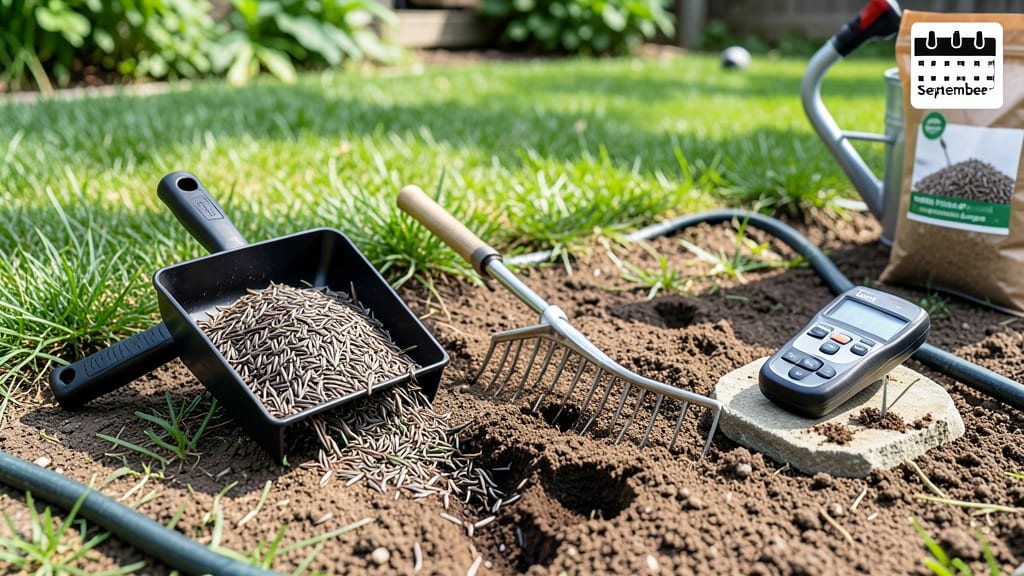
If you're asking when is the best time to plant grass seed in New Jersey, the answer isn't just about seasons—it's about beating the climate's sneaky surprises. Too early, and frost will sabotage your 🌱 efforts; too late, and summer heat turns your lawn into a weed battleground.
New Jersey's 6a-7b zones give you two prime windows: early spring (March-April) or fall (September-October). But here's the catch: soil temperature matters more than calendar dates. Plant when it hits 50°F—that's your green light for strong root growth.
I'll show you exactly how to time it right, from checking soil readiness to choosing the perfect grass seed blend for NJ's tricky weather. No more guessing games—just a lush lawn that thrives year after year.
Let's dive into the best strategies to make your grass seed take hold, no matter whether you're in North Jersey's cooler microclimates or South Jersey's slightly warmer zones. Your perfect lawn starts with the right timing—and I've got you covered.
New Jersey’s ideal grass seed planting windows: spring vs. fall compared
New Jersey’s USDA zones 6a-7b create a unique challenge for grass seed planting—too early, and frost will kill tender sprouts; too late, and summer heat stresses young roots.
The best times are early spring (March-April) and early fall (September-October), when soil temperatures hover between 50°F and 65°F, perfect for germination.
Southern NJ (like Atlantic City) enjoys 2-3 extra weeks of growing season compared to northern areas (like Sussex County). This means your planting window shifts slightly—start in late February in the south but wait until mid-April in the north to avoid frost damage.
Let’s break down the key differences between spring and fall planting, including soil conditions, weed competition, and regional adjustments for your lawn’s success.
🌱 Visual Comparison: Spring vs. Fall Planting in NJ
Spring planting gives you a head start on summer’s lush green lawn, but weed competition is fierce—you’ll need pre-emergent herbicides to keep crabgrass at bay. Fall planting, however, lets grass establish deep roots before winter, making it the most successful window for many NJ gardeners.
For northern NJ, aim for September 1–15 to ensure roots harden off before frost. In southern NJ, you can push it to mid-November—just monitor soil temps and stop when they drop below 50°F.
Pro tip: Use a soil thermometer to confirm temps are ideal. If your soil is below 50°F, wait—cold soil slows germination and invites disease. For fastest results, combine fall planting with a starter fertilizer high in phosphorus to boost root growth.
Ready to pick your window? Fall wins for most NJ lawns, but spring works if you’re patient with weed control and summer watering. Next, let’s tackle soil prep and moisture secrets to ensure your grass thrives year-round.
🌱
New Jersey’s ideal grass seed planting windows: spring vs. fall compared
New Jersey’s 6a-7b climate zones create two perfect windows for planting grass seed: early spring (March-April) and fall (September-October). Both seasons offer cooler temperatures and moisture that help seeds germinate without stress.
But which one works best for your lawn? Let’s break it down by temperature, soil conditions, and regional differences between North and South Jersey.
In North Jersey, where temperatures drop faster, aim for late April to early May in spring or mid-September to early October in fall. South Jersey’s slightly warmer microclimate gives you a 2-week longer window—planting as late as mid-October can still work if soil stays above 50°F.
The key is avoiding extreme heat or frost.
Here’s how the two seasons stack up for your New Jersey lawn:
| Factor | Spring Planting | Fall Planting |
|---|---|---|
| Best Timeframe | March 15–April 30 | September 1–October 15 |
| Soil Temperature | 50–65°F (ideal) | 50–60°F (ideal) |
| Weed Competition | Moderate (spring weeds emerge) | Low (weeds dormant) |
| Water Needs | High (spring showers help) | Moderate (fall rains often suffice) |
| Establishment Time | 6–8 weeks (summer stress risk) | 4–6 weeks (cooler temps help) |
Fall planting often gives faster germination because soil stays moist longer, and weeds are less aggressive. But spring planting lets you enjoy your lawn all season—just be ready to water more frequently during summer heat.
For North Jersey, I recommend fall planting to avoid early spring frosts, while South Jersey gardeners can stretch into late October if conditions allow.
Pro tip: Use a soil thermometer to confirm temperatures before planting. If soil dips below 50°F, wait—cold soil slows germination and invites disease. And always choose cool-season grasses like tall fescue or perennial ryegrass, which thrive in NJ’s climate.
Ready to pick your window? Next, we’ll cover how to prep your soil and outsmart weeds—no matter when you plant. Your dream lawn starts with the right timing and prep work!