
Plants
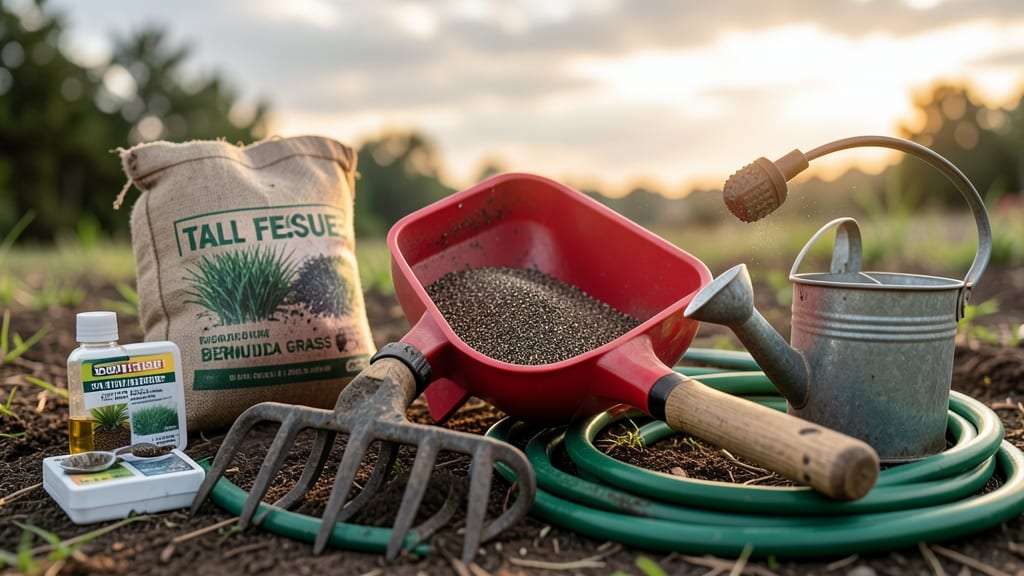
If you’ve ever stared at your patchy Georgia lawn wondering when is the best time to plant grass seed in Georgia, you’re not alone. The difference between a lush, drought-resistant yard and a struggle to keep grass alive often comes down to timing—and Georgia’s climate makes this especially tricky.
Here’s the secret: Planting too early or too late can leave your grass vulnerable to heat stress or winter die-off. But when you nail the window—typically late summer (August–September) or early fall—you set your lawn up for deep roots that thrive even when Georgia’s sun blazes.
Let’s break down the best times to plant and why they matter so much for your local climate.
Georgia’s 7a-8b zones mean you’ve got two clear opportunities to plant grass seed: just before the heat peaks or as temperatures start to cool. Both windows give your grass the ideal conditions to establish strong roots before facing extreme weather.
I’ll show you exactly how to prepare your soil, choose the right seed, and avoid common mistakes that derail even the best-laid plans.
Ready to transform your lawn from bare patches to a vibrant carpet? The key starts with the right timing—and I’ve got all the details to help you succeed, no matter where you are in the state.
Optimal Georgia grass-seeding timeline: late summer vs. fall for maximum success
Georgia’s climate—hot, humid summers and mild winters—means timing is everything when planting grass seed. The ideal windows are late summer (August–September) and early fall (October–November), when soil stays warm enough for germination but temperatures drop enough to reduce drought stress.
This balance gives seeds the perfect conditions to sprout and establish deep roots before winter dormancy.
Most Georgia gardeners overlook late summer seeding, but it’s a game-changer for warm-season grasses like Bermuda and Zoysia. The key is planting 4–6 weeks before the first frost (typically mid-November in most regions). This gives seedlings time to develop strong root systems before cooler weather slows growth.
For cool-season grasses like Fescue or Ryegrass, early fall is critical—they thrive in 50–65°F soil temperatures, which Georgia hits by October.
Soil temperature is your best guide: aim for 65–75°F for warm-season grasses and 50–65°F for cool-season types. Use a soil thermometer to check—if temps dip below these ranges, germination slows or fails entirely. In Georgia’s USDA Zones 7a–8b, late summer often hits that sweet spot, especially in Piedmont and Coastal regions, while mountain areas may need to shift slightly earlier.
Here’s how Georgia’s microclimates affect timing: Coastal (Zone 8a–8b): Plant August 15–September 15 for warm-season grasses; October 1–November 15 for cool-season. Piedmont (Zone 7b–8a): August 1–September 30 (warm-season); September 15–October 30 (cool-season). Mountains (Zone 6b–7a): Shift 2–3 weeks earlier—July 15–August 30 for warm-season; September 1–October 15 for cool-season.
🌱 Georgia Grass-Seeding Timeline Comparison
| Season | Best Months | Grass Types | Soil Temp (°F) | Key Advantage |
|---|---|---|---|---|
| Late Summer | August–September | Bermuda, Zoysia, Centipede | 65–75°F | Warm soil + rainfall = fast germination |
| Early Fall | October–November | Fescue, Ryegrass, Bluegrass | 50–65°F | Cooler temps reduce drought stress |
| Avoid | Spring (March–May) | All types | N/A | High heat + weeds = poor establishment |
| Avoid | Summer (June–July) | All types | >85°F | Drought stress + fungal risks |
💡 Pro Tip: Test soil moisture before planting—it should be damp but not soggy.
Rainfall patterns in Georgia also play a role. Late summer often brings consistent showers, reducing the need for manual watering, while early fall offers cooler temps that preserve moisture in the soil. In drought-prone areas (like parts of North Georgia), consider irrigation scheduling to supplement natural rainfall during germination.
One critical mistake Georgia gardeners make is planting too late in fall, especially in Zone 7a where frosts can arrive by November 15. If you miss the fall window, wait until early spring (March), but be prepared for weed competition and higher water needs as temperatures rise.
For overseeding existing lawns, late summer is ideal—it lets new seeds outcompete weeds before winter.
To maximize success, pair your planting timeline with proper seed selection. In Georgia, warm-season blends (like Tifway 419) dominate for summer lawns, while cool-season mixes (like Turf-Type Tall Fescue) shine in fall.
For shade-tolerant areas, consider fine fescue or St. Augustine, which germinate slower but thrive in low-light conditions common in Georgia’s wooded lots.
Finally, monitor weather forecasts 2–3 weeks before planting. If a heatwave is predicted, delay seeding until temps drop. The goal is 6–8 weeks of growth before winter slows everything down—so if you plant in late August, aim to see visible sprouts by mid-October.
With the right timing, your Georgia lawn can go from bare patches to lush green in just a few months. The key? Late summer or early fall,
Optimal Georgia grass-seeding timeline: late summer vs. fall for maximum success
Georgia’s two best windows for planting grass seed are late summer (August–September) and early fall (October–November). These periods align perfectly with soil temperatures and rainfall patterns that encourage strong germination and deep root growth.
In USDA zones 7a–8b, avoiding the peak heat of summer and winter’s chill is critical for success.
Late summer planting gives your grass a head start before the first frost, while fall planting allows roots to establish before winter dormancy. Both windows avoid the stressful extremes of Georgia’s climate—whether it’s drought conditions in summer or freezing temperatures in winter.
Let’s dive into why these timelines work and how they differ across Georgia’s regions.
| Planting Window | Ideal Soil Temp (°F) | Rainfall Needs | Regional Notes |
|---|---|---|---|
| Late Summer (Aug–Sep) | 65–75°F | 1–1.5 inches/week | Best for warm-season grasses (Bermuda, Zoysia). Avoid coastal areas if humidity spikes. |
| Early Fall (Oct–Nov) | 55–65°F | 1–2 inches/week | Ideal for cool-season grasses (Fescue, Ryegrass). Mountain regions should plant earlier in fall. |
Georgia’s three distinct regions—coastal, Piedmont, and mountains—each have unique microclimates that affect planting timing. For example, coastal areas like Savannah experience higher humidity, which can lead to fungal diseases if you plant too late.
Meanwhile, the Piedmont region (Athens, Macon) has more moderate temperatures, making late summer a safer bet. In the mountains (Blue Ridge), cooler temps mean you can plant earlier in fall without risking frost.
Another critical factor is soil temperature. Grass seed germinates best when soil is between 65–75°F for warm-season grasses and 55–65°F for cool-season varieties. Use a soil thermometer to check—if temps rise above 85°F, germination slows dramatically.
I’ve seen many gardeners rush planting in June or July only to watch their seed dry out before sprouting.
To maximize success, pair your planting window with proper watering. After seeding, keep soil consistently moist (not soggy) for the first 2–3 weeks. In Georgia’s dry spells, this means daily watering in late summer or weekly deep watering in fall.
A light mulch of straw helps retain moisture and protects seedlings from heat stress.
Timing isn’t just about the calendar—it’s about reading your local climate. Check your area’s last frost date (typically mid-November in most of Georgia) and plant 6–8 weeks before to give roots time to anchor.
For warm-season grasses, aim for August; for cool-season blends, October is your best shot. With the right window, your lawn will thrive even when Georgia’s weather throws curveballs.