
Planting
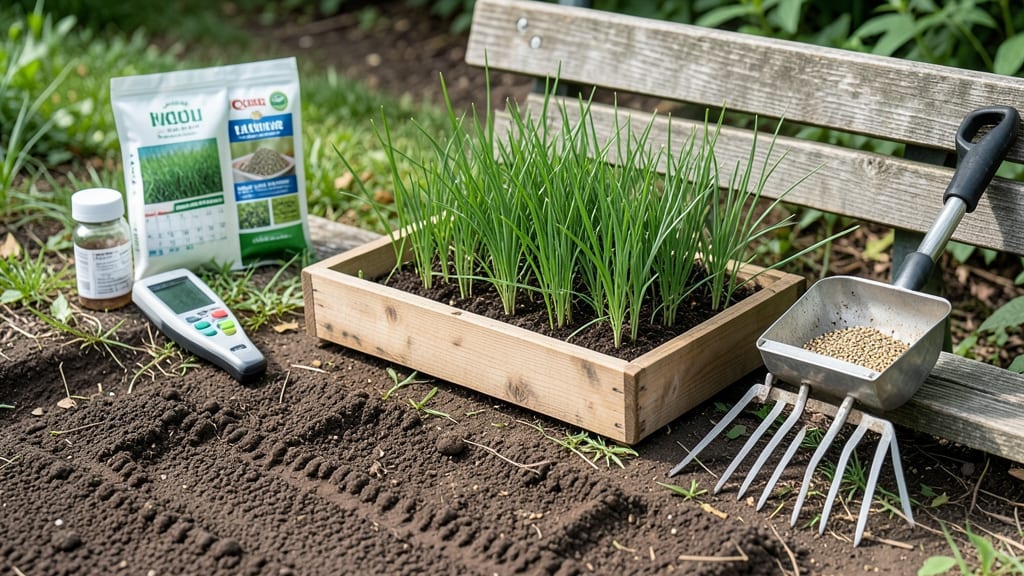
Planting grass seed at the wrong time in North Carolina can mean wasted money, slow germination, or patchy lawns—so timing is everything for a lush, 🌱 healthy yard.
If you've ever poured seeds into the ground only to watch them struggle or fail, you know how frustrating it can be. The key lies in understanding your region's unique climate—whether you're in the coastal plains, Piedmont hills, or the mountains.
Each zone has its own ideal window for planting, and getting it right makes all the difference.
In this guide, I'll break down exactly when to plant for fast germination, how to prepare your soil, and what mistakes to avoid. Whether you're seeding in spring or fall, you'll learn the secrets to a thick, vibrant lawn that stays green all season.
Let's get started—your perfect lawn begins with the right timing and a little know-how.
Best months to plant grass seed in North Carolina by climate zone (coastal vs. Piedmont vs. mountains)
North Carolina’s diverse climate—from the humid coastal plains to the cooler mountain regions—means grass seed planting times vary dramatically across the state. Planting at the wrong time can lead to slow germination, weed competition, or even seed loss to heat or frost.
The key is aligning your planting with soil temperatures, rainfall patterns, and regional frost dates.
For most of North Carolina, the two best windows are early spring (March-April) and late summer/early fall (August-September). However, your specific climate zone dictates the exact timing.
Coastal areas warm up faster, while mountain regions stay cooler longer. Let’s break it down by zone to ensure your grass seed thrives.
🌱 PRO TIP: Always check your local USDA hardiness zone (NC ranges from 6a in the mountains to 8a near the coast) and monitor soil temperature—aim for 60-65°F for optimal germination.
| Climate Zone | Best Planting Months | Soil Temp Requirement | Key Considerations |
|---|---|---|---|
| Coastal Plain (Zones 7b-8a) | February-March (spring) / September (fall) | 60-65°F | Warmer soils germinate faster; watch for hurricane season (June-Nov) that can delay planting. |
| Piedmont (Zones 7a-7b) | March-April (spring) / August-September (fall) | 55-60°F | Moderate climate; late summer avoids extreme heat stress on seedlings. |
| Mountains (Zones 6a-6b) | April-May (spring) / Late August (fall) | 50-55°F | Cooler soils mean later planting; prioritize cool-season grasses like fine fescue. |
In the Coastal Plain, you can start as early as February because soils warm up quickly. However, avoid planting in October or November—hurricane risks and cooler temps slow growth. The Piedmont offers a broader window, but late August is ideal to beat summer’s peak heat.
For the Mountains, wait until April to avoid frost damage, and plant by late August to ensure seedlings establish before winter.
Another critical factor is rainfall. North Carolina’s summer months (June-August) bring frequent storms, which can wash away newly planted seed. Fall planting (August-September) often yields better results because consistent rainfall and cooler temps reduce stress on young grass.
However, if you miss fall, spring planting is your next best option.
Choosing the right grass type for your zone also impacts timing. Cool-season grasses (like tall fescue or bluegrass) thrive in spring and fall, while warm-season grasses (like bermuda or zoysia) should be planted in late spring after the last frost.
For example, in Zone 8a (coastal), bermuda grass can handle summer heat, but it’s best sown in late April or May.
If you’re unsure about your local frost dates, check the NC State Climate Office or use a soil thermometer to monitor conditions. Aim to plant 4-6 weeks before the first frost in fall or after the last frost in spring.
In the mountains, this might mean waiting until mid-May, while coastal areas can start as early as February.
One common mistake is assuming all grass seed is the same. Fine fescue germinates faster in cool soil, while tall fescue tolerates a wider range of temperatures.
Match your seed to your climate zone and intended use—shade-tolerant blends for wooded areas, drought-resistant types for Piedmont regions, or heat-loving grasses for coastal lawns.
Finally, don’t overlook pre-emergent herbicides if weeds are a concern. Apply them 2-4 weeks before planting to prevent weeds from competing with your new grass. In North Carolina’s humid climate, weeds can quickly overtake seedlings if left unchecked.
Best months to plant grass seed in North Carolina by climate zone (coastal vs. Piedmont vs. mountains)
North Carolina's diverse climate means your planting timeline depends heavily on whether you live in the coastal plains, Piedmont region, or the mountains. Each zone has unique frost dates, soil temperatures, and rainfall patterns that affect germination.
Let's break down the best windows for each area to ensure your grass seed thrives.
For coastal North Carolina (USDA zones 8a-8b), the ideal planting windows are March-April for spring and August-September for fall. The warmer climate allows for earlier starts, but avoid planting in late summer when heat stress becomes a risk.
Coastal areas also benefit from higher humidity, which helps maintain soil moisture during germination.
In the Piedmont region (USDA zones 7a-7b), your best bets are late March to early April in spring and mid-August to early September in fall.
The Piedmont's moderate climate gives you a slightly longer window, but you'll want to avoid planting when soil temperatures exceed 85°F, as this can cause seed dormancy or poor germination.
| Climate Zone | Best Planting Windows | Soil Temp Range (°F) | Key Considerations |
|---|---|---|---|
| Coastal Plains | March-April, August-September | 60-75°F | Warmer climate; higher humidity helps germination |
| Piedmont | Late March-Early April, Mid-August-Early September | 60-70°F | Moderate climate; avoid late summer heat |
| Mountains | April-May, September-October | 55-65°F | Cooler climate; later frost dates |
The mountain regions (USDA zones 6a-6b) have the latest frost dates, so your planting windows shift to April-May in spring and September-October in fall. These areas often experience cooler soil temperatures, so wait until the ground warms to at least 55°F before planting.
The mountains also benefit from fall planting because the cooler temperatures reduce weed competition.
Regardless of your zone, always aim to plant 4-6 weeks before the first frost in fall or after the last frost in spring. This timing ensures seedlings have enough time to establish roots before extreme temperatures set in.
For coastal areas, this might mean planting as early as February, while mountain regions may need to wait until May for spring planting.
One final tip: Fall planting is often the best choice across all zones because cooler temperatures and higher humidity create ideal conditions for germination. Plus, fall-seeded grass has time to develop deep roots before winter, giving it a head start in spring.
Just be sure to choose a cool-season grass variety like tall fescue or Kentucky bluegrass for North Carolina's climate.
With these timing guidelines, you'll give your grass seed the best chance to germinate quickly and establish a thick, healthy lawn. Next, we'll cover how to prepare your soil and lawn for planting to maximize success.