
Plants
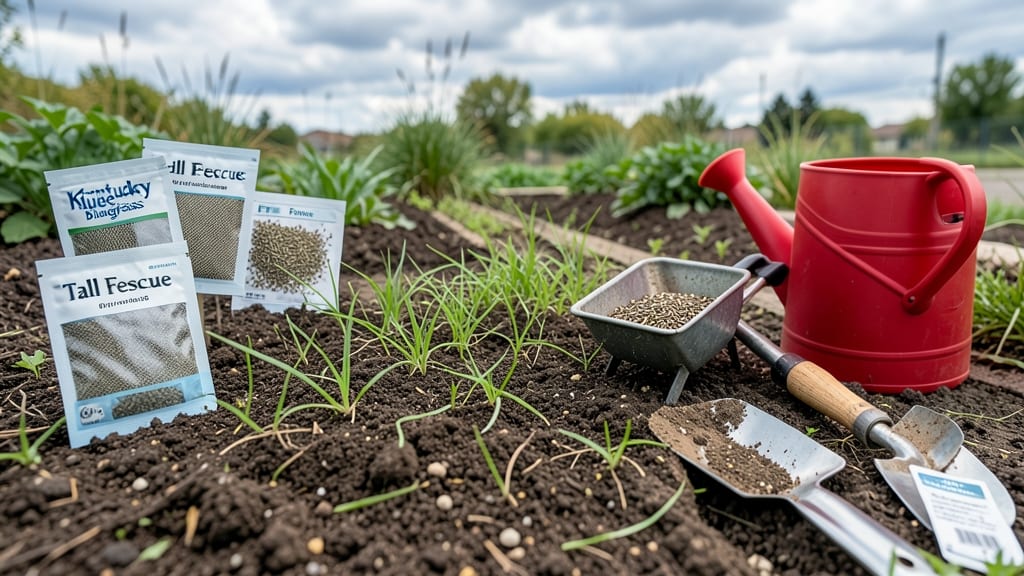
Timing your grass seed planting in Colorado could mean the difference between a lush, fast-growing lawn and months of frustration. The best window isn't just about the calendar—it's about understanding your microclimate, from the Front Range's 5-6 zones to the Western Slope's 6-7.
Skip the guesswork and learn exactly when to plant for frost-proof establishment, whether you're seeding in early spring or late summer.
Most Colorado gardeners swear by late summer to early fall planting, but is that right for your yard? We'll break down the science behind why September often outperforms spring, especially for cool-season grasses like Kentucky bluegrass.
Plus, discover how elevation changes everything—from soil temperatures to frost dates—and how to adjust your schedule accordingly.
Let’s tackle the biggest myths first: planting too early risks frost heave, while waiting too long leaves your lawn vulnerable to weeds. I’ll share the optimal planting windows for each region, plus pro tips to beat drought, wildlife, and other Colorado-specific challenges.
Ready to transform your patchy lawn into a vibrant, resilient carpet? Let’s get started.
Whether you're a first-time homeowner or a seasoned gardener, this guide cuts through the confusion. You’ll walk away knowing not just when to plant, but how to set your grass up for success—so you can enjoy your lawn year-round without the stress.
Let’s make your grass the envy of the neighborhood.
Colorado’s grass planting zones: when to seed by elevation and microclimate
Colorado’s diverse elevations—from the Front Range’s 5,000–7,000 feet to the Western Slope’s 4,000–6,000 feet—create wildly different planting windows. Ignoring these zones risks frost heave or drought stress before your grass even sprouts.
Let’s break down the best times to plant based on your location, using USDA zones 4–7 as our guide.
For Front Range cities like Denver or Boulder (zones 5–6), aim to seed between mid-April and early June for spring planting or mid-September to early October for fall.
The Western Slope (zones 6–7), including Grand Junction or Colorado Springs, can start slightly earlier—late March to early May—thanks to warmer microclimates. Meanwhile, mountain regions (zones 4–5) like Aspen or Breckenridge should wait until late May or June to avoid late frosts.
Soil temperature is your best indicator for timing. Grass seeds germinate best when soil reaches 50–65°F. Use a soil thermometer to check—if it’s below 50°F, wait. In high-altitude areas, soil warms slower, so push planting to June or July for safety.
Pro tip: Cool-season grasses like Kentucky bluegrass thrive in these zones, while warm-season grasses (e.g., buffalo grass) need warmer soil temps (60°F+).
Here’s how microclimates tweak your timing:
- Urban areas (e.g., Denver): Concrete absorbs heat, so plant 1–2 weeks earlier than rural zones.
- Shaded yards: Delay planting by 2–3 weeks—cooler soil slows germination.
- South-facing slopes: Plant 2 weeks earlier—warmer microclimates speed up growth.
| Region | USDA Zone | Last Frost Date | First Frost Date | Best Planting Window | Soil Temp for Germination | Recommended Grass Types |
|---|---|---|---|---|---|---|
| Front Range (Denver, Boulder, Fort Collins) | ||||||
| Front Range | 5–6 | April 15 | October 15 | Mid-April to early June OR mid-September to early October | 50–65°F | Kentucky bluegrass, fine fescue, tall fescue |
| Western Slope (Grand Junction, Colorado Springs) | ||||||
| Western Slope | 6–7 | March 15 | October 1 | Late March to early May OR late August to early October | 55–65°F | Buffalo grass, blue grama, tall fescue |
| Mountain Regions (Aspen, Breckenridge) | ||||||
| Mountains | 4–5 | June 1 | September 15 | Late May to July | 50–60°F | Creeping red fescue, alpine bluegrass |
*Adjust for microclimates: Urban areas can plant 1–2 weeks earlier; shaded yards delay by 2–3 weeks.
If you’re in zone 7 (e.g., Pueblo), you can stretch your window to late February or November, but avoid planting when daytime highs exceed 85°F—seeds dry out before germinating.
For high-altitude gardens above 8,000 feet, prioritize drought-resistant blends like fine fescue mixes, which tolerate cooler soils better than Kentucky bluegrass.
One common mistake? Planting too early in spring and hitting late frosts or too late in fall and risking winter kill. Aim for 4–6 weeks before the first frost to give seedlings time to establish roots. For example, in Denver (zone 5), that means September 1–15—not October!
Pro tip: Use a frost calendar like the one from Colorado State University Extension to track local frost dates. Their free online tools adjust for your exact elevation and latitude, ensuring you’re not guessing.
For example, Grand Junction (zone 6) can plant 2 weeks earlier than Denver due to its lower elevation and warmer microclimate.
For warm-season grasses like buffalo grass, wait until soil temps hit 60°F+, typically late May to June in most zones. These grasses won’t germinate in cooler soils, so don’t rush—patience pays off with drought-resistant results. Pair this with mulching to retain moisture during Colorado’s dry spells.
Remember: Soil prep is half the battle. Test your soil’s pH (ideal: 6.0–7.0) and amend with compost or lime if needed. Compacted
Fall vs. spring planting in Colorado: which offers faster establishment?
Colorado gardeners often debate whether to plant grass seed in the spring or fall, but the answer depends on your specific microclimate and grass type.
Most experts agree that fall planting (late August through September) is ideal for cool-season grasses like Kentucky bluegrass and fescue, as it allows roots to establish before winter dormancy. However, spring planting (April–May) can work for warm-season grasses like buffalo grass, especially in lower elevations like the Eastern Plains.
In the Front Range, where temperatures fluctuate wildly, fall planting gives seeds a head start on root growth before the first frost. Meanwhile, spring planting in Western Slope areas (like Grand Junction) benefits from warmer soil temperatures, which speed up germination.
Let’s break down the pros and cons of each approach to help you decide what works best for your yard.
Fall Planting
Best for: Cool-season grassesFor spring planting, the window is narrower but can yield strong results if timed correctly. Aim for mid-April to early May in the Front Range, ensuring soil temperatures are consistently above 50°F.
Warm-season grasses like buffalo grass thrive in spring, but cool-season varieties may struggle with summer heat if planted too late. The key is to prepare your soil in late winter (February–March) by aerating and adding compost, so it’s ready when seeds go in.
One critical factor in Colorado is moisture retention. Fall planting benefits from consistent rainfall in September and October, while spring planting often coincides with dry spells in May.
If you choose spring, be prepared to water deeply (1–1.5 inches per week) and consider using a mulch layer to lock in moisture. For drought-prone areas like the Western Slope, fall planting is almost always the safer bet.
If you’re still unsure, consider a split planting strategy: sow half your seed in late August and the other half in early May. This hedges your bets against unpredictable weather.
Just remember, Kentucky bluegrass and fine fescue are best suited for fall, while tall fescue can handle either season with proper care.
Regardless of when you plant, soil preparation is non-negotiable. Test your soil’s pH (ideal range: 6.0–7.0) and amend with lime or sulfur as needed. A starter fertilizer (high in phosphorus) will give your grass the boost it needs to germinate quickly and outcompete weeds.
With the right timing and prep, your Colorado lawn can go from patchy to picture-perfect in just a few months.