
Plants
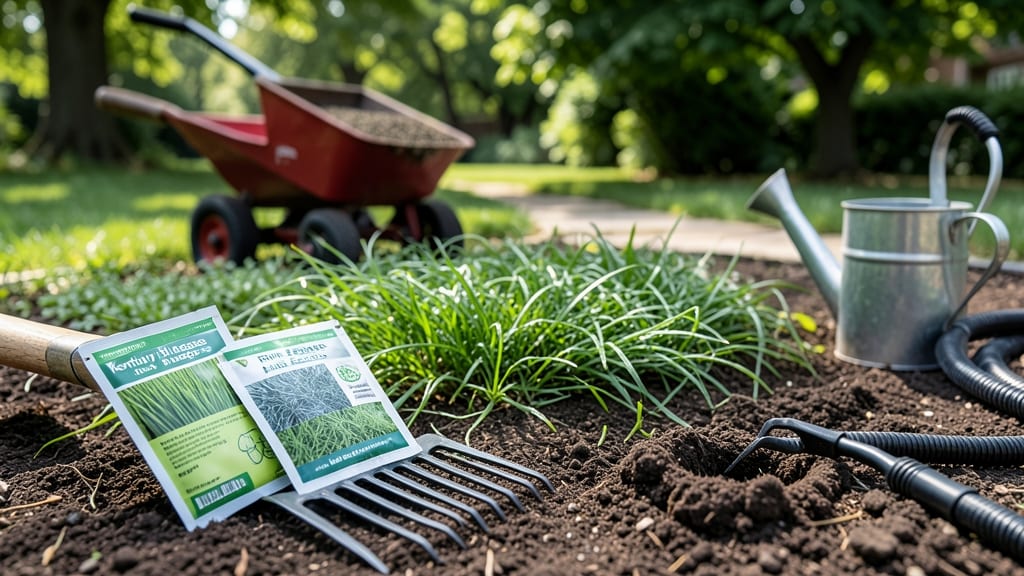
Timing your grass seed planting in Colorado isn't just about picking a month—it's about catching those microclimate-specific weeks when soil temps, frost risks, and rainfall align for success. Get it wrong, and you might end up with patchy lawns or wasted seed money.
Whether you're in the Front Range or the Western Slope, Colorado's diverse zones mean your ideal planting window could be weeks apart from your neighbor's. I'll break down exactly when to plant—from early spring's March-April rush to late summer's quieter August-September opportunities—so you don't miss your chance.
You'll also discover how to read your soil's temperature cues (that 50-65°F sweet spot), avoid common pitfalls like planting too early in frost-prone areas, and adjust for high-altitude challenges. Let's get your lawn off to the right start.
With these precise timing strategies, you'll transform Colorado's unpredictable weather from a lawn-care obstacle into your biggest advantage. Ready to plant with confidence?
Colorado’s grass seed planting calendar by microclimate: best weeks for germination
Colorado’s diverse geography means your grass seed planting timeline depends entirely on where you live. The Front Range (Denver/Boulder), Western Slope (Grand Junction), and Eastern Plains (Colorado Springs/Pueblo) all have unique frost dates and soil warming patterns.
For example, Denver’s last frost typically arrives by April 15, while Grand Junction can start planting as early as March 15 due to its lower elevation and warmer microclimate.
Most Colorado gardeners focus on two prime planting windows: early spring (when soil reaches 50–60°F) and late summer/early fall (when temperatures drop below 85°F). The key is avoiding both late frosts (which can kill seedlings) and summer heatwaves (which dry out seeds before germination).
Let’s break down the exact weeks for each region.
Colorado Grass Seed Planting Calendar
| Region | Early Spring Window | Late Summer/Fall Window | Soil Temp Threshold | Key Risks |
|---|---|---|---|---|
| Front Range (Denver/Boulder) | Mid-April to early May | Late August to mid-September | 50–60°F | Late frosts (April), summer droughts |
| Western Slope (Grand Junction) | Mid-March to early April | Early August to late September | 55–65°F | Extreme heat (July), early fall frosts |
| Eastern Plains (Colorado Springs/Pueblo) | Late March to early April | Mid-August to early October | 45–55°F | Late spring frosts, dry winds |
If you’re in the Front Range, aim for mid-April to early May for spring planting. This gives seedlings time to establish before summer heat arrives. For the Western Slope, you can start as early as mid-March—the desert climate warms up faster.
Meanwhile, the Eastern Plains should wait until late March to avoid late frosts that can linger into April.
For late-season planting, August to mid-September is ideal across all regions. This window allows grass to germinate before temperatures drop too low. However, in the Western Slope, you can extend planting into late September if you use frost blankets to protect young seedlings.
Always monitor your local National Weather Service forecasts for sudden temperature shifts.
One common mistake is planting too early in February or March when soil temperatures are still too cold. Grass seeds need consistent warmth (above 50°F) to germinate properly. Use a soil thermometer to check—if it’s below 50°F, wait another week or two.
Similarly, planting in June or July risks seed drying out before sprouting due to Colorado’s intense summer sun.
Pro tip: If you’re seeding a large area, split your project into two batches—plant half in spring and half in fall. This ensures you’ll have a lush lawn even if one season’s conditions aren’t ideal.
For example, Kentucky bluegrass thrives in both spring and fall plantings, while tall fescue is more forgiving in summer heat.
Don’t forget to prepare your soil at least 1–2 weeks before planting. Loosen the top 4–6 inches of soil, remove debris, and level the area. A pH test is crucial—Colorado soils often need lime to raise pH to 6.0–7.0, the ideal range for most grass types.
Once planted, keep the soil consistently moist (not soggy) for the first 2–3 weeks to encourage germination.
For high-altitude areas like Aspen or Leadville (elevations over 8,000 feet), adjust your timeline by 2–3 weeks later. These regions experience cooler soil temperatures and shorter growing seasons, so aim for late April to early May in spring and <
5 Critical factors that determine your planting success (beyond just dates)
While planting dates matter, Colorado’s microclimates mean your success hinges on five hidden factors that override generic calendars. Ignore these, and even the "perfect" week could fail. Let’s break down what truly matters beyond just picking a month.
First, soil temperature is your #1 guide—not air temperature. Aim for 50–65°F at 4 inches deep. Use a soil thermometer (they’re cheap!) to check before planting. Cold soil slows germination, while hot soil burns seeds. In Denver, this usually means waiting until mid-April for spring planting.
Next, rainfall patterns can make or break your lawn. Colorado’s Front Range gets erratic spring showers, while the Western Slope often faces drought. If your area forecasts less than 1 inch of rain weekly, supplement with irrigation. Pro tip: Morning watering (before 8 AM) reduces evaporation and fungal risks.
Don’t overlook elevation adjustments. High-altitude areas (like Steamboat Springs at 6,800 ft) have cooler soils and shorter growing seasons. Plant 2–3 weeks later than lower elevations. For example, if Colorado Springs (6,000 ft) plants in early April, wait until mid-April at 7,500 ft.
Your seed type also dictates timing. Cool-season grasses (like Kentucky bluegrass or fescue) thrive when planted in early spring or late summer, while warm-season grasses (like Bermuda) need late spring/early summer. Mixing types? Stick to cool-season for Colorado’s climate.
Finally, shade exposure changes everything. Full-sun areas (like south-facing lawns) can plant earlier, but shady spots (north-facing or under trees) need slow-growing varieties like fine fescue and should wait until soil warms fully. Test your yard: If dappled shade covers >30% of the area, adjust your seed choice.
Use this quick