
Plants
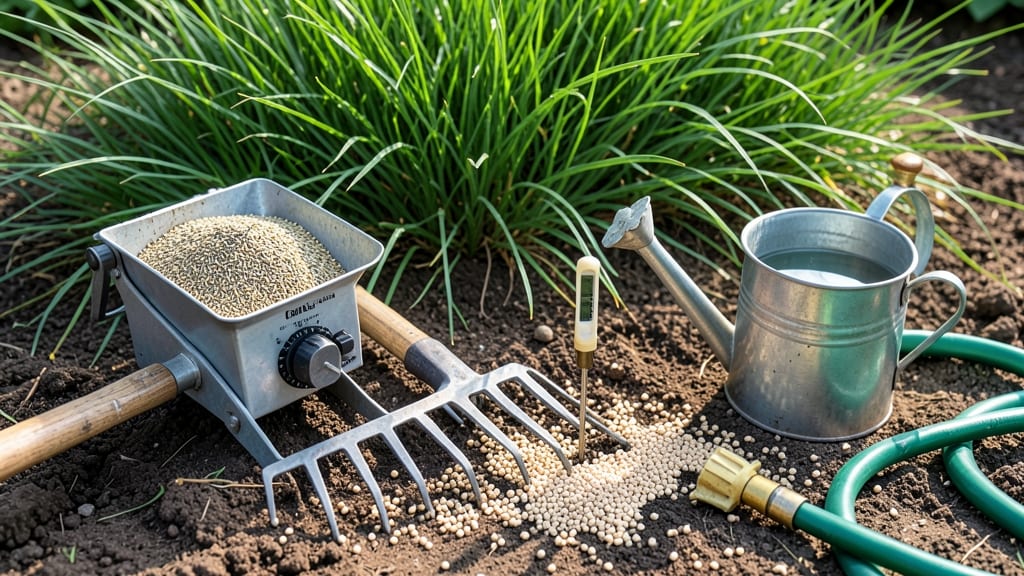
If you’ve ever struggled to figure out when is the best time to plant grass seed in Virginia, the answer might be simpler than you think: timing is everything.
Planting grass seed at the wrong time in Virginia’s 6a-8a zones can leave you with slow germination, weak roots, or even total failure—especially when summer heat or winter frosts throw off your plans.
I’ve helped Virginia gardeners transform their lawns by mastering the two best windows for planting: early spring (March-April) and late summer/early fall (August-September).
These periods align perfectly with soil temperatures and moisture levels that give your 🌱 grass seed the fighting chance it needs to take root before extreme weather sets in.
But here’s the catch: not all of Virginia’s climate zones play by the same rules. Coastal areas like Norfolk (Zone 8a) have a longer growing season, while inland regions like Roanoke (Zone 7a) face earlier frosts.
I’ll break down exactly when to plant in your specific zone—and how to avoid common mistakes that derail even the most well-intentioned lawn projects.
Ready to skip the guesswork? Let’s dive into the fastest, most reliable way to plant grass seed in Virginia so you can enjoy that lush, green carpet you’ve been dreaming of—without the frustration.
Virginia’s ideal grass seed planting windows by USDA hardiness zones
Virginia’s climate varies dramatically from the cooler Northern Mountains (Zone 6a) to the warmer Coastal Plain (Zone 8a). This diversity means your best planting window depends on your exact location—and the type of grass you’re growing.
For cool-season grasses like Kentucky bluegrass and tall fescue, aim for early spring (March-April) or late summer/early fall (August-September). Warm-season grasses like Bermuda and Zoysia, however, thrive when planted in late spring (May-June) after soil warms.
Soil temperature is the critical factor for germination success. Cool-season grasses need soil temps between 50-65°F, while warm-season varieties require 65-75°F. In Virginia, this often translates to March-April for spring planting and September-October for fall planting, with warm-season grasses getting a second chance in late May.
Here’s a breakdown of Virginia’s USDA hardiness zones and their ideal planting windows:
| Zone | Best Planting Window | Soil Temp Threshold | Grass Type |
|---|---|---|---|
| 6a (Northern VA) | Mid-April to early May | 50-60°F | Cool-season (Tall Fescue) |
| 7a (Piedmont) | Late March to April | 55-65°F | Cool-season (Kentucky Bluegrass) |
| 7b (Central VA) | March-April or Sept-Oct | 50-65°F | Cool/Warm-season (Mix) |
| 8a (Coastal Plain) | Late April-May or Sept | 60-70°F | Warm-season (Bermuda) |
Fall planting is often more successful in Virginia because cooler temps reduce weed competition and drought stress. If you’re planting in spring, do it as soon as the soil is workable—typically 4-6 weeks before the average last frost date (March 15 in most areas).
For warm-season grasses, wait until the soil stays above 65°F for at least 3 days.
Pro tip: Use a soil thermometer to check temperatures before planting. If your soil is too cold, germination will be slow and uneven. In Zone 8a (Coastal Plain), you can even plant warm-season grasses in early September for a fall establishment before winter dormancy.
Missed the spring window? Don’t worry—fall is your second best chance. In September-October, the soil stays warm enough for germination while humidity levels are high, reducing watering needs.
Just be sure to plant 6-8 weeks before the first frost (typically November 15 in Virginia) to allow the grass to establish roots.
One common mistake Virginia gardeners make is planting too early in spring when the soil is still cold and wet. This leads to fungal diseases and poor germination.
Always prioritize soil temperature over calendar dates. For example, in Zone 7a (Piedmont), you might not need to plant until mid-April if March was unusually cold.
For new lawns, aim for full coverage in 3-4 months. Planting at the right time ensures your grass has enough time to establish deep roots before summer heat or winter freeze.
In Zone 6a (Northern VA), this might mean starting in late April to avoid early summer drought.
🌱
How Virginia’s climate affects grass seed germination rates
Virginia’s climate is as diverse as its landscapes, and that diversity directly impacts when—and how well—your grass seed will germinate.
From the humid coastal plains of Zone 8a to the cooler mountain regions of Zone 7a, factors like rainfall patterns, humidity levels, and heat spikes can turn your perfect planting window into a risky gamble if you’re not prepared.
For example, coastal Virginia (like Norfolk) enjoys a longer growing season, allowing for a more extended fall planting window. Meanwhile, inland areas (like Charlottesville) may face earlier frosts, shrinking that window significantly. Understanding these regional quirks is key to avoiding slow germination or seed washout from sudden downpours.
Let’s break down how these climate factors play out in Virginia’s three key regions: Northern Virginia (7a), Piedmont (7b), and Coastal Plain (8a). Each has its own rhythm of rain, heat, and humidity that can make or break your lawn’s success.
🌱
One of the biggest challenges in Virginia is soil temperature. Grass seed needs soil temps between 50°F–65°F to germinate properly. In spring, this often aligns with April, but if you plant too early (like February), cold snaps can stall germination entirely.
Conversely, planting in June or July risks seed drying out or being scorched by 90°F+ soil temps.
Humidity also plays a sneaky role. Coastal areas like Virginia Beach thrive with moisture, but too much rain can wash away seeds or cause fungal diseases. I recommend using a starter fertilizer with mycorrhizal fungi to help roots establish faster in these damp conditions.
For drier inland zones, a light mulch of straw can retain moisture without smothering new sprouts.
Finally, don’t underestimate the power of heat spikes. Even in ideal planting windows, a sudden heatwave can dry out your soil faster than you can water. Always keep a soil moisture meter handy during the first 2–3 weeks post-planting—this is when most failures happen.
☀️