
Plants
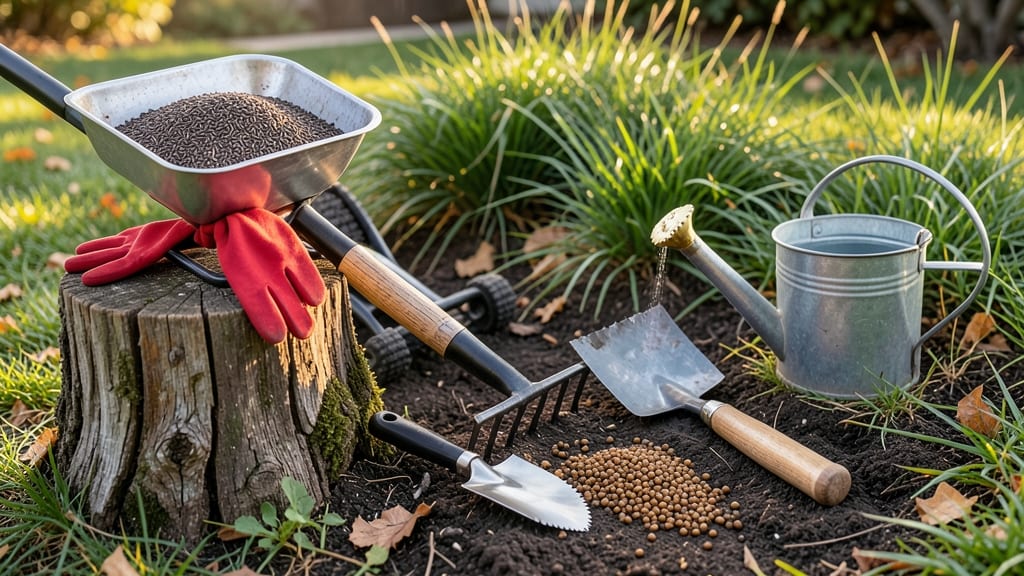
If you're asking "when is the best time to plant grass in the fall", the answer isn't just about picking a month—it's about catching that sweet spot in soil temperatures that gives your 🌱 a fighting chance before winter.
Most gardeners wait too late, only to watch their new lawn struggle through cold snaps. But with the right timing, you can establish roots deep enough to survive frost and wake up to a lush yard next spring.
The magic window typically falls between early September and mid-October, but here's the catch: your local climate zone makes all the difference.
In USDA Zone 6a, where frost can sneak up by mid-October, you've got about 4-6 weeks to work with—just enough time for grass roots to grow strong before dormancy kicks in. Skip this window, and you risk patchy growth or weak turf that won't handle winter's chill.
Why does timing matter so much? Cooler fall air might trick you into thinking it's safe to plant, but the real secret is soil temperature. When it hovers between 60-75°F, grass seeds germinate faster and roots establish deeper—giving you a head start on next year's lawn.
Miss this range, and you're basically playing lawn roulette with Mother Nature.
In this guide, I'll break down exactly how to read your soil's temperature cues, adjust for your region, and avoid the 5 biggest mistakes that turn fall planting into a gamble. Let's get your grass off to the best possible start—before the first frost locks things down.
Ideal fall soil temperature range for grass planting (science-backed guide)
Fall is the perfect season to plant grass because cooler air temperatures and warm soil create ideal conditions for root growth. Unlike spring, fall avoids summer heat stress and gives grass 4-6 weeks to establish deep roots before winter dormancy. The key? Soil temperature—not air temperature—determines success.
Most cool-season grasses (like Kentucky bluegrass, tall fescue, and ryegrass) thrive when soil temperatures hover between 60°F and 75°F.
This range allows seeds to germinate quickly while preventing fungal diseases that flourish in cooler, wetter soils. Soil thermometers are your best tool to track this—rent or borrow one if you don’t own one.
Here’s why this range matters: At 60°F, germination slows but roots still grow; at 75°F, growth accelerates, but seeds risk drying out before sprouting.
Aim for the sweet spot of 65°F–70°F for fastest, healthiest establishment. Pro tip: Check soil temps 1 inch deep—surface temps can be misleading.
| Soil Temperature (°F) | Growth Stage | Grass Type | Action Required |
|---|---|---|---|
| Below 50°F | Dormancy Risk | All | Delay planting; protect with mulch |
| 50°F–59°F | Slow Germination | Cool-season | Plant only if frost-free window remains |
| 60°F–75°F | Optimal Growth | Kentucky bluegrass, fescue, ryegrass | Plant now; water deeply |
| 76°F–85°F | Rapid Germination | Warm-season (late fall only) | Risk of drought stress; water frequently |
| Above 85°F | Dormancy | All | Wait for cooler temps or use shade cloth |
Testing your soil’s readiness is simple. Use a soil thermometer (or a meat thermometer) to check temps at 1-inch depth for 3–5 days.
If temps consistently fall within 60°F–75°F, it’s time to plant. Morning is the best time to test—soil cools overnight and heats up during the day, so morning readings give you the average daily temp.
If your soil is too cool, wait 1–2 weeks and retest. If it’s too warm, consider shade cloth or planting warm-season grasses (like Bermuda) later in the season. Pro move: Use a mulch layer (straw or compost) to insulate soil and maintain stable temps after planting.
Don’t overlook soil moisture—dry soil can trick you into thinking temps are ideal when they’re not. Aim for moist but not soggy soil before planting.
A quick test: Squeeze a handful—if it holds shape but crumbles when prodded, it’s perfect. Water deeply the day before planting to prep the soil.
Once you’ve nailed the soil temp, focus on seed selection. Cool-season grasses like tall fescue tolerate colder soils better than Kentucky bluegrass, while ryegrass germinates fastest in warm soil. Match your grass type to your local climate—USDA Zone 5–7 gardeners should lean toward fescue for resilience.
Remember: The 4–6 week rule applies here. Plant 6 weeks before your first frost to ensure roots establish before dormancy. Check your local frost date (USDA’s Plant Hardiness Zone Map is a great resource) and work backward. Example: If frost hits October 15, plant by September 1.
With the right soil temp and timing, your fall-planted grass will outperform spring plantings by up to 30%—thanks to fewer weeds, cooler stress, and a head start on next year’s growth. Ready to dig in? Grab that soil thermometer and let’s get growing! 🌱
Ideal fall soil temperature range for grass planting (science-backed guide)
When planting grass in the fall, soil temperature is the real game-changer—not air temperature. Most gardeners focus on frost dates, but your grass roots care more about what's happening 6 inches below the surface.
The ideal window for fall planting is when soil temps hover between 60-75°F. This range triggers faster germination and deeper root growth before dormancy sets in.
Why does this matter? Grass seeds need consistent warmth to sprout, but they also need time to develop roots before winter. If you plant too early (soil >75°F), seeds may dry out.
Too late (<60°F), and roots won't establish before frost. The 60-75°F zone gives you that perfect balance—just enough heat for growth, with cooler air reducing weed competition.
🌱 How to check your soil temperature: Use a soil thermometer (available for $10-$15) and measure 6 inches deep. Test in the morning—soil cools overnight, and you want afternoon warmth for planting. Pro tip: If temps dip below 50°F at night, delay planting until conditions stabilize.
| Soil Temp Range | Planting Window | Root Growth Benefit |
|---|---|---|
| 60–65°F | Late September–early October | Slower but steady root growth; ideal for northern climates. |
| 65–70°F | Mid-September–late September | Optimal germination; balances speed and frost risk. |
| 70–75°F | Early–mid September | Fastest growth; best for southern regions with later frosts. |
🌡️ Note: Use a soil thermometer at 6" depth to avoid air temp misjudgment.
For cool-season grasses like Kentucky bluegrass, tall fescue, or ryegrass, this temperature range is critical. These varieties thrive in fall because they enter a dormant state when temps drop, but they need strong roots to bounce back in spring.
If you plant too close to frost (soil <50°F), roots won't develop, and you'll end up with weak, patchy lawns next year.
💡 Regional tweaks: In USDA Zones 3-5, aim for the 60-65°F range by late September. In Zones 7-10, stretch your window to early October, but monitor frost forecasts closely. Urban areas may run 5-10°F warmer than rural zones due to heat retention—always test your own soil!
Once you've nailed the soil temp, the next step is preparing your site. Loosen the top 2-3 inches of soil, remove debris, and level the area to prevent water pooling.
But timing is everything—if soil temps drop below 50°F before roots establish, even the best prep won't save your lawn. Stay tuned for regional planting deadlines in the next section!