
Companion Plants
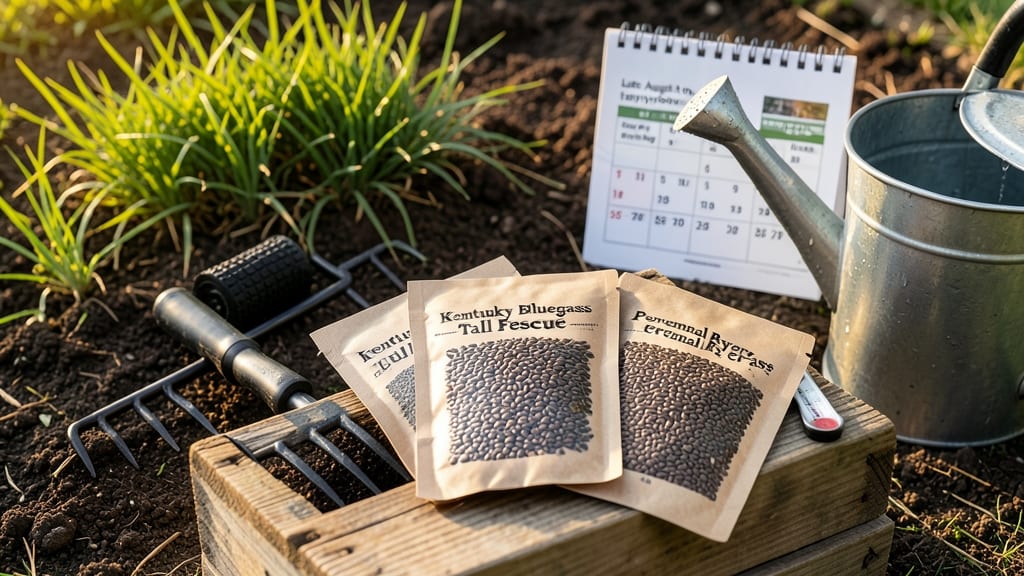
Timing your grass seed planting in Michigan wrong could mean watching your hard work vanish overnight—thanks to frost or summer drought. The good news? With the right approach, you can nail that frost-free window and give your lawn the strong start it deserves.
Michigan’s 5b-6b climate zones create a tricky balance: plant too early in spring, and frost will bury your seeds. Wait too long, and summer heat might stress them before they take root.
The key lies in soil temperature—50-55°F is your sweet spot for germination, and it varies wildly across Detroit, Grand Rapids, and Traverse City.
I’ll break down exactly when to plant, how to check soil temps like a pro, and which grass types thrive in Michigan’s spring vs. fall.
Whether you’re prepping for early April or waiting for September’s cooler air, these tips will help you avoid common mistakes and grow a lawn that’s the envy of the neighborhood.
Ready to skip the guesswork? Let’s dive into the perfect planting schedule tailored to Michigan’s unpredictable weather—so you can enjoy that lush, green carpet without the stress.
Michigan’s ideal grass seed planting window by region (frost dates & soil temps)
Michigan’s USDA zones 4-6 create unique challenges for grass seeding, with northern regions like Traverse City facing earlier frosts than southern cities like Detroit. The ideal planting window depends on two critical factors: soil temperature (50-65°F) and frost-free dates.
Aim for 3-4 weeks after the last frost to avoid seed damage, but don’t wait too late—summer heat can stress young grass.
In northern Michigan (USDA 4-5), like Marquette or Sault Ste. Marie, the last frost typically occurs May 10-20, giving you a late May to early June window. Meanwhile, southern Michigan (USDA 6), including Ann Arbor and Kalamazoo, can plant as early as early April in mild winters.
Always verify your local frost dates using the Michigan State University Extension frost calculator.
Spring planting offers cooler soil temps and consistent moisture, but fall planting (late August to early October) provides established roots before winter. The best months for Michigan are April-May and September-October, aligning with soil temps between 50-65°F.
Below this range, seeds won’t germinate; above 75°F, they risk drying out.
🌱
| Region | Last Frost Date | Ideal Planting Window | Soil Temp Range (°F) | Notes |
|---|---|---|---|---|
| Northern Michigan (Marquette, Traverse City) | May 10-20 | Late May to early June | 50-60°F | Cooler springs; use cold-tolerant seeds |
| Central Michigan (Grand Rapids, Lansing) | April 25-May 10 | Early May to mid-June | 55-65°F | Moderate climate; best for mixed grasses |
| Southern Michigan (Detroit, Ann Arbor) | April 10-20 | Early April to late May | 55-70°F | Warmer microclimates; watch for drought |
| Fall Planting (All Regions) | N/A | Late August to early October | 50-65°F | 6-8 weeks before first frost; best for root establishment |
For accurate frost dates, use the National Weather Service’s frost prediction tool or the Michigan State University Lawn Calendar. These resources account for microclimates, like urban areas staying 2-3°F warmer than rural zones.
If you’re in doubt, opt for fall planting, which offers a second chance to establish grass before winter.
I’ve planted grass in both spring and fall in Michigan, and fall often yields thicker lawns because seeds germinate in cool, moist soil without summer heat stress.
However, spring planting gives you a head start for summer mowing. Choose based on your local climate patterns—track your area’s 3-year average frost dates for consistency.
Pro tip: If your soil is too cold (below 50°F), cover seeds with straw mulch to retain heat. Conversely, if temps exceed 75°F, shade young seedlings with burlap or shade cloth until they establish roots. These adjustments can extend your planting window by 2-3 weeks in marginal conditions.
🌿
Don’t let Michigan’s variable weather derail your lawn goals. By aligning your planting with soil temps and frost dates, you’ll maximize germination rates and weed competition. For example, Kentucky Bluegrass thrives in southern Michigan’s warmer springs, while Tall Fescue handles northern cool seasons better.
Next, we’ll dive into how to check soil temps and adjust your timeline for peak success.
How to check soil temperature & adjust planting time for Michigan’s climate
Michigan’s soil temperature is the real secret weapon for timing your grass seed perfectly. Unlike air temperature, soil stays warmer longer in spring and cools slower in fall—giving you a longer planting window than you might expect.
But how do you know when it’s just right? A simple soil thermometer (available for $10-$15) will tell you exactly when your lawn is ready for seeds to sprout.
For cool-season grasses like Kentucky Bluegrass or Fine Fescue, aim for soil temps between 50-55°F. Warmer than that, and your seeds may dry out before germinating. Cooler than that, and they’ll linger in the soil, vulnerable to rot or frost.
Most Michigan regions hit this sweet spot between late April and early May, but urban areas like Detroit often warm up a week earlier than rural spots near Traverse City.
🚨 NON-NEGOTIABLE: Never plant when soil temps are below 50°F—even if the air feels warm. Frost can still sneak in, and cold soil slows germination to a crawl. I’ve seen lawns planted in March wither overnight when a late frost hit, so always double-check with your thermometer.