
Planting
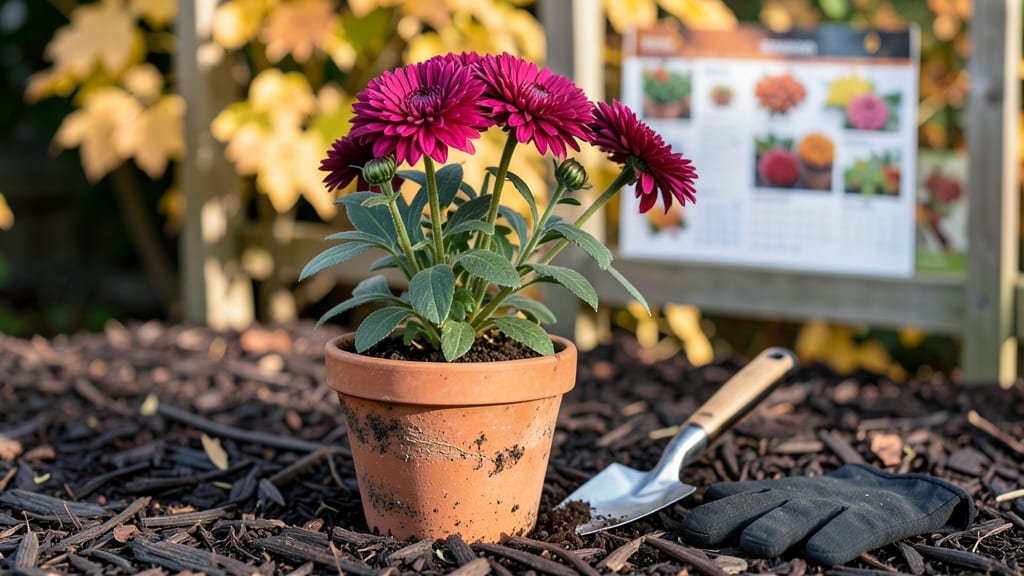
Timing when can I plant mums in the ground just right is the secret to vibrant fall blooms that last until the first frost. Whether you're in a cool northern climate or a warm southern region, getting this step wrong can mean weak roots or flowers that never fully open.
The key lies in understanding your local frost dates and adjusting your schedule accordingly.
In most areas, like my Zone 6a garden, you'll want to plant mums 4-6 weeks before the first frost—typically in late summer or early fall. But if you live in a warmer microclimate or an urban heat island, you might need to shift your timeline earlier.
Don't worry, I'll break down exactly how to adjust based on your specific conditions.
You'll also learn how to spot when your mums are truly ready for the ground—whether they're container-grown or bare-root—and how to prep your soil for maximum success.
With the right timing and care, your 🌼 will reward you with lush foliage and show-stopping blooms that brighten up your garden until winter arrives.
Let's dive into the exact deadlines, regional tweaks, and pro tips that will help your mums thrive—no matter where you live. Trust me, once you nail this timing, your fall garden will be the talk of the neighborhood!
USDA Zone-specific deadlines for planting mums in the ground
Planting mums (chrysanthemums) too early or late can mean the difference between a vibrant fall display and wilted stems by frost. The golden rule? Aim for 4-6 weeks before your first frost date—this gives roots time to establish before winter chill sets in.
But since frost dates vary wildly across the U.S., I’ve broken down the exact planting windows by USDA zone, including adjustments for early vs. late varieties.
For most gardeners, late summer to early fall is the sweet spot. In Zones 3-5, where summers are short, start as early as mid-July to ensure blooms before hard frost.
Meanwhile, Zones 6-9 can plant well into October, while Zones 10+ might even squeeze in a spring planting for winter color. The key is soil temperature: wait until it drops below 75°F to avoid heat stress.
Here’s how to calculate your deadline: Find your average first frost date (check the USDA Plant Hardiness Zone Map), then count backward 4-6 weeks. For example, if your frost hits November 15, plant by October 1.
Pro tip: Container-grown mums can handle slightly later planting than bare-root varieties—their established roots adapt faster to cooler soil.
🌼
| USDA Zone | Ideal Planting Window | Soil Temp Threshold | Notes |
|---|---|---|---|
| Zones 3-5 | Mid-July to early August | Below 70°F | Short growing season; use early-blooming varieties. |
| Zones 6-7 | Late July to mid-September | Below 75°F | Best for standard varieties; extend to October in Zone 7. |
| Zones 8-9 | August to October | Below 80°F | Can plant later; some blooms may appear in winter. |
| Zones 10-11 | Spring (Feb-Mar) or Fall (Oct-Nov) | No strict threshold | Spring planting for winter color; fall for spring blooms. |
If you’re in a transition zone (e.g., Zone 7b vs. 8a), err on the side of earlier planting. Mums planted too late may not bloom until next year, but those planted too early can bolt to flower prematurely or struggle in summer heat.
For container gardening, you’ve got a little more flexibility—just ensure pots have drainage holes and use lightweight potting mix to prevent root rot.
Another pro move? Pre-cool your mums for 2-3 weeks before planting. Store them in a cool, dark garage (around 40-50°F) to mimic winter dormancy. This trick jumpstarts root growth once you transplant them, giving you a head start on blooms next season.
Just avoid refrigeration—mums hate humidity and can rot.
For northern climates (Zones 3-5), pair your mums with hardy companions like sedum or heuchera to create a low-maintenance fall border. In southern zones (8-11), opt for heat-tolerant varieties like ‘Marmalade’ or ‘Jolene’ to handle summer’s lingering warmth.
And remember: Dwarf mums (12-18 inches tall) are perfect for container gardens or window boxes, while standard varieties (24+ inches) shine in border plantings.
🌿
One last tip: Label your mums by variety and planting date. Some, like ‘Bright Lights’, bloom early, while others, like ‘Dazzler’, wait until late fall. This way, you can rotate varieties yearly for continuous color—because nothing beats
USDA Zone-specific deadlines for planting mums in the ground
Planting mums too early in warm zones risks heat stress, while planting too late in cool climates cuts bloom time short. The golden rule: aim for 4-6 weeks before your first frost, but adjust based on your USDA zone and variety.
Early-blooming mums need a longer window, while late varieties can handle shorter seasons.
For example, in Zone 3-5, where frost arrives early, plant between mid-August and early September. In Zone 6-8, you’ve got flexibility from late July to mid-October. Southern gardeners in Zone 9-11 can plant as late as November, but choose heat-tolerant varieties like 'Dazzler' or 'Medley.'
🌼
| USDA Zone | Ideal Planting Window | Soil Temp Threshold | Key Varieties |
|---|---|---|---|
| 3-5 | Mid-August to early September | Below 75°F | 'Autumn Joy', 'Polar Bear' |
| 6-8 | Late July to mid-October | Below 70°F | 'Medley', 'Bright Lights' |
| 9-11 | September to November | Below 65°F | 'Dazzler', 'Cavendish' |
Check your local frost dates using the National Weather Service or Old Farmer’s Almanac, then count backward. Pro tip: Container-grown mums can handle slightly later planting than bare-root varieties, giving you a 1-2 week buffer in cooler zones.
If you’re unsure about your zone, test soil readiness by sticking your finger 2 inches deep—if it’s warm but not hot, it’s time to plant. Overheated soil stresses roots, leading to stunted growth or bolting (premature flowering).
For extended blooming, stagger plantings every 2-3 weeks in zones 6-8. This ensures a continuous color display from early fall until frost. Just remember: late plantings may not rebloom next year, but they’ll still add seasonal interest.
✂️