
Planting
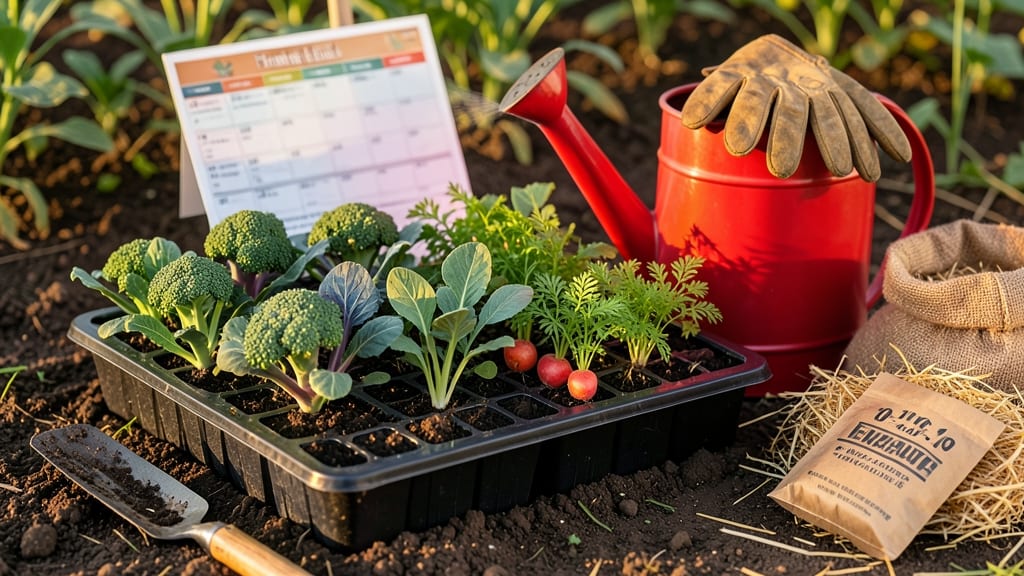
When to plant a fall garden in Florida could mean the difference between a thriving harvest and a sad, wilted disappointment—especially when summer heat lingers longer than you’d expect. The key isn’t waiting for cooler weather; it’s planting heat-tolerant crops at the perfect moment when soil temps drop just enough for roots to take hold without bolting.
I’ve watched too many gardeners in Florida’s zones 8-11 rush into planting too early, only to watch their greens turn bitter or their tomatoes fail to set fruit. But there’s a science to it—like knowing when to seed sweet potatoes in July or when to transplant collards without inviting pests.
Let me break down the exact windows and crops that actually thrive in Florida’s tricky transition from summer to fall.
You’ll discover which varieties handle residual heat better than others, how to prep your soil for Florida’s humidity challenges, and even when to start succession planting for a continuous harvest. No more guessing—just proven strategies from gardeners who’ve cracked the code in the Sunshine State.
Ready to skip the trial-and-error? By the end of this, you’ll have a clear timeline, a shortlist of top-performing plants, and the confidence to beat Florida’s unpredictable climate. Let’s get those seeds in the ground the right way.
Florida’s exact fall planting dates by region (heat zones 8-11)
Florida’s fall planting success hinges on understanding your USDA Hardiness Zone and first frost dates, which vary dramatically from North Florida’s Zone 8 to South Florida’s Zone 11.
Unlike northern states, Florida’s fall garden thrives on heat-tolerant varieties planted when soil temps drop below 85°F but before first frost—which can occur as early as mid-November in the Panhandle or not at all in the Keys.
For North Florida (Zones 8a-8b), aim to plant cool-season crops between mid-August and early September. This window ensures seedlings establish roots before September’s lingering heat and October’s cooling trend.
In Central Florida (Zone 9a), you’ve got until late September to sow heat-sensitive varieties like lettuce or broccoli, while South Florida (Zones 10a-11) can plant year-round but peaks in September-October for optimal fall harvests.
Soil temperature is your #1 indicator. Use a soil thermometer to confirm temps are between 65°F-75°F—ideal for germination. In Zone 8, wait until late August; in Zone 10+, you can start as early as July for slow-growing crops like cabbage.
Miss this window, and you’ll battle bolting (premature flowering) or stunted growth from residual summer heat.
Here’s the region-by-region breakdown of your fall planting timeline, including heat-resistant crops and soil prep tips to maximize success:
| Region | USDA Zone | Optimal Planting Window | First Frost Date | Soil Temp Threshold | Heat-Tolerant Crops |
|---|---|---|---|---|---|
| North Florida | 8a-8b | Mid-August – Early September | Mid-November | 65°F–75°F | Okra, Sweet Potatoes, Malabar Spinach, Collards |
| Central Florida | 9a-9b | Late August – Late September | Late November (rare) | 70°F–80°F | Peppers, Eggplant, Kale, Turnips |
| South Florida | 10a–11 | July – October | Never (or December) | 75°F–85°F | Tomatoes, Green Beans, Basil, Cucumbers |
Pro tip: Direct sow heat-loving crops like okra and sweet potatoes in July-August—they’ll establish roots before cooler temps arrive. For cool-season crops like broccoli or carrots, start seeds indoors 4-6 weeks before your target planting date to avoid transplant shock.
In Zone 8, prioritize fast-maturing varieties (e.g., ‘Crimson’ lettuce in 30 days) to harvest before frost. Meanwhile, Zone 10+ gardeners can stretch harvests into winter with row covers or low tunnels.
The key? Monitor local weather—Florida’s microclimates mean a 5-mile difference can shift your frost risk by 2 weeks.
Don’t overlook soil prep. Florida’s sandy soils drain too quickly for fall crops—amend with 2-3 inches of compost and 1 inch of mulch to retain moisture. Test your soil’s pH (6.0–7.0) and add lime if needed, as acidic soil stunts growth in cool weather.
A balanced fertilizer (10-10-10) at planting time gives seedlings the boost they need to outpace pests like cabbage worms.
For container gardening, use 5-gallon pots for tomatoes or 7-gallon pots for peppers—root-bound plants struggle in fall’s shorter days. Place containers on cold frames or under shade cloth if nights dip below 50°F. Even in Florida, light frosts can damage tender greens like spinach or rad
Top 10 heat-tolerant fall vegetables for Florida (with planting depths)
Florida’s summer heat doesn’t have to ruin your fall garden—some crops actually thrive in the residual warmth. I’ve grown these 10 heat-resistant varieties year after year, and they consistently outperform traditional cool-season crops. The secret? Choosing plants bred for Florida’s 90°F+ soil temps and knowing their exact planting depths.
Malabar spinach and okra top the list because they love the heat and keep producing long after most greens bolt. Even sweet potatoes, when planted early, give you a head start on a longer harvest window.
Below are the varieties I trust, plus their ideal planting depths and spacing to maximize yield.
| Variety | Planting Depth | Spacing | Notes |
|---|---|---|---|
| Sweet Potatoes | 1-2 inches deep | 12-18 inches apart | Plant slips in July for fall harvest |
| Okra | 1 inch deep | 12-18 inches apart | Direct sow after last heatwave |
| Malabar Spinach | ½ inch deep | 12 inches apart | Heat-loving alternative to spinach |
| Black-Eyed Peas | 1 inch deep | 3-4 inches apart | Sow in late summer for fall pods |
| Collard Greens | ¼ inch deep | 12-18 inches apart | Transplant after soil cools slightly |
Don’t overlook heat-tolerant greens like Jew’s mallow or Swiss chard—they handle Florida’s humidity better than traditional lettuce. For best results, I soak seeds overnight before planting to ensure quick germination in warm soil. These varieties also repel pests naturally, so you’ll spend less time battling aphids or whiteflies.
Pro tip: Mulch heavily with straw or pine needles to keep roots cool during August’s last heat spikes. I’ve seen okra yields double when planted with this simple trick. The key is timing—start seeds now, but hold off on transplanting until soil temps drop below 85°F.
For a continuous harvest, succession plant every 2-3 weeks until early October. This ensures you’re always pulling fresh produce while avoiding the first frost risk that hits North Florida by December. Trust me, your fall garden will thank you.