
Planting
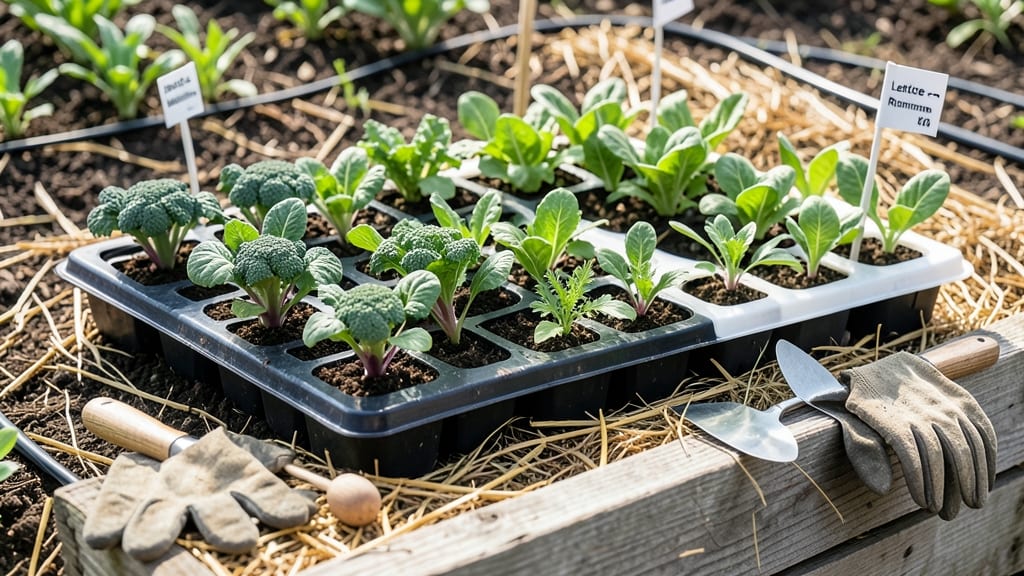
Planting a fall garden in Texas isn’t just about dodging summer’s last heatwave—it’s about catching that sweet 6-week window when your soil is still warm but the air starts to cooperate.
I’ve seen too many Texas gardeners miss this opportunity by waiting too long, only to watch their seedlings bolt in the fall heat or freeze before harvest. The key? Understanding your region’s microclimate—whether you’re in the Panhandle’s cooler nights or Houston’s stubborn summer humidity.
You’ll discover exactly when to plant for your specific corner of Texas, from late August in North Texas to early October down south, plus the heat-resistant crops that thrive in these conditions.
Let’s break down the perfect planting schedule so you can enjoy fresh greens, root vegetables, and even winter squash without the guesswork.
Texas fall planting calendar by region: north vs. central vs. South Texas timelines
Texas' fall planting window varies dramatically from the Panhandle's cooler high desert to the Rio Grande Valley's tropical heat. In North Texas (DFW, Amarillo), you can start heat-tolerant crops like sweet potatoes as early as late July when soil temps drop below 90°F.
Meanwhile, South Texas (Houston, Corpus Christi) waits until mid-September to avoid summer's brutal 100°F+ stretches.
The key is planting when your average nighttime temps stay below 85°F but before the first frost risk. For Central Texas (Austin, San Antonio), this means August 15-September 15 for most crops. Miss this window, and you'll face stunted growth or bolted greens.
Here's where microclimates matter most. Urban areas like Dallas can be 5-10°F warmer than rural counties just 20 miles away due to concrete heat absorption.
Always check your local AgriLife Extension frost dates—North Texas averages first frost in mid-November, while South Texas may see light frosts as late as December.
For slow-growing crops like broccoli or cabbage, aim for a 90-day maturity window before your area's average first frost. In West Texas, that means planting by August 1; in East Texas, you've got until September 30.
| Region | Ideal Planting Window | Key Heat-Tolerant Crops | First Frost Date | Soil Temp Goal |
|---|---|---|---|---|
| North Texas (Panhandle-DFW) | Late July - Early August | Sweet potatoes, collards, black-eyed peas | Mid-November | Below 90°F |
| Central Texas (Austin-San Antonio) | August 15 - September 15 | Okra, turnips, kale, carrots | Late November | Below 85°F |
| South Texas (Houston-RGV) | Mid-September - Early October | Sweet potatoes, radishes, spinach | December (light frosts) | Below 80°F |
Pro tip: Use a soil thermometer to verify temps—60-70°F is ideal for most fall crops. In East Texas, where humidity lingers, plant radishes or turnips first—they mature in 30 days and give you a quick harvest before cooler weather sets in.
For slow-to-establish plants like broccoli, start seeds indoors 4-6 weeks before your region's planting window. Harden them off by moving trays outside during the day and back in at night for 10-14 days before transplanting.
Remember: Texas' fall isn't just about avoiding frost—it's about capturing residual summer heat while preparing for cooler nights. The 2-week window between late August and early September in Central Texas often delivers the sweet spot for maximum growth before winter slows things down.
Always check local weather forecasts for unusual heat spikes—a 95°F day in October can still stress young plants. If your area experiences unpredictable weather, opt for heat-tolerant varieties like 'Southern Curly' collards or 'Red Malaga' spinach, which handle 85°F+ better than standard types.
Finally, mark your calendar for Texas A&M AgriLife Extension's fall planting workshops—they often share region-specific adjustments based on recent climate patterns. In 2023, many North Texas gardeners had to push planting back 2 weeks due to September heatwaves.
Best heat-resistant fall crops for Texas and their ideal planting months
Texas’ fall garden success hinges on choosing heat-tolerant varieties that thrive in our 85°F+ soil and variable humidity. I’ve grown these top 10 crops year after year—each picked for its ability to handle late-summer heat while maturing before frost.
Start with okra and black-eyed peas in late August (North Texas) or early September (South Texas). These powerhouses handle 90°F+ days and produce before temperatures drop. For cooler regions like the Panhandle, prioritize turnips and radishes by mid-September.
Your soil’s warmth is your ally—use it to jumpstart slower growers like collards and kale. Plant these 6-8 weeks before your first frost (typically October 15-30 in most regions). For extended harvests, try broccoli and cabbage in early October.
Don’t overlook sweet potatoes and winter squash—they love Texas heat and store well. Plant slips in late July (South Texas) or early August (North Texas) for a fall harvest. Even green beans thrive when seeded 60 days before frost.
🌱 Top 10 Heat-Resistant Fall Crops for Texas
- Okra | Plant: Aug 20-Sep 15 | Days to Harvest: 50-60 | Heat Tolerance: Excellent
- Black-eyed peas | Plant: Aug 15-Sep 10 | Days to Harvest: 60-75 | Heat Tolerance: Very High
- Sweet potatoes | Plant: Jul 20-Aug 10 | Days to Harvest: 90-110 | Heat Tolerance: Extreme
- Collards | Plant: Sep 1-Oct 15 | Days to Harvest: 50-60 | Heat Tolerance: Moderate
- Turnips | Plant: Aug 25-Sep 20 | Days to Harvest: 30-50 | Heat Tolerance: High
- Kale | Plant: Sep 1-Oct 10 | Days to Harvest: 45-60 | Heat Tolerance: Moderate
- Green beans | Plant: Aug 1-Sep 15 | Days to Harvest: 50-60 | Heat Tolerance: Good
- Winter squash | Plant: Jul 15-Aug 20 | Days to Harvest: 80-100 | Heat Tolerance: Very High
- Broccoli | Plant: Sep 15-Oct 10 | Days to Harvest: 60-80 | Heat Tolerance: Moderate
- Cabbage | Plant: Sep 1-Oct 5 | Days to Harvest: 70-90 | Heat Tolerance: Moderate
Pro Tip: For extended harvests, succession plant radishes and lettuce every 2 weeks after initial seeding.
Adjust your planting dates by 2-3 weeks if you’re in South Texas—the longer growing season lets you push crops like okra and sweet potatoes even later. In North Texas, prioritize fast-maturing varieties to avoid early frosts.
Remember: Soil temperature matters more than air temperature. Use a soil thermometer—ideal planting temps are 65-85°F. If your soil cools below 60°F, wait or use row covers to warm it.