
Companion Plants
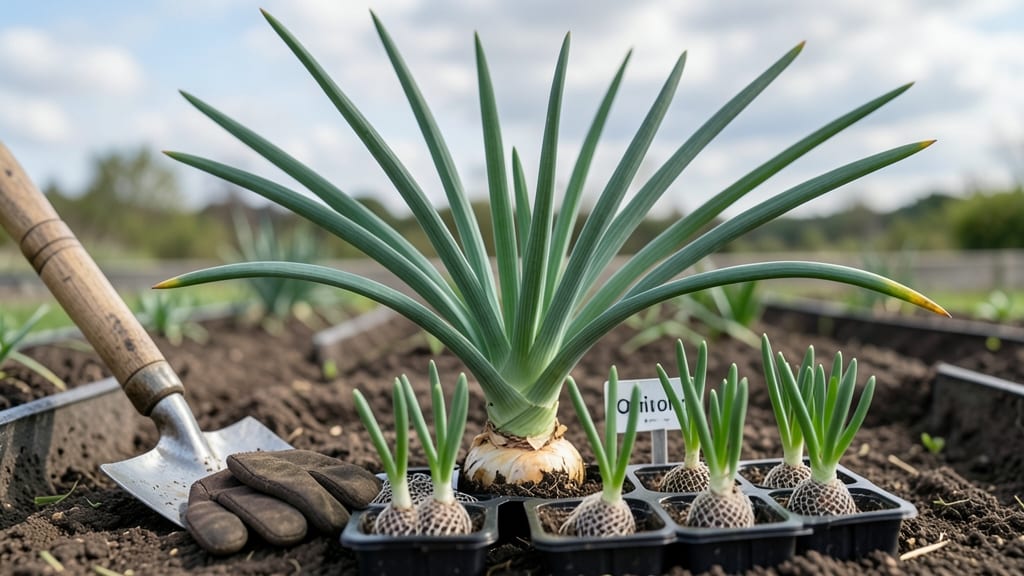
If you're wondering "when can I plant onions in Zone 6", timing is the secret weapon for a thriving harvest. Miss the window, and you might end up with puny bulbs or no onions at all—something no home gardener wants after all that hard work.
In Zone 6, your best bet is to plant onion sets or seeds 4-6 weeks before your last frost date, typically around early March to mid-April. This gives your 🧅 onions enough time to establish roots before the soil warms up, setting the stage for strong growth.
But here's the catch: Zone 6's unpredictable spring weather can throw off even the most careful plans. We'll break down exactly how to adjust for frost risks, soil temperature shifts, and what to do if your initial planting window gets delayed.
Ready to grow onions that rival store-bought? Let's dive into the exact planting schedule, variety recommendations, and pro tips to ensure your Zone 6 garden delivers the harvest you're dreaming of.
Zone 6 onion planting calendar: exact weeks before last frost by variety
Onions in Zone 6 thrive when planted at the right time—typically 4-6 weeks before your last frost date, which usually falls around April 15. For most gardeners, this means starting seeds indoors in March or planting sets (small bulbs) directly in the garden by early April.
Timing varies slightly based on whether you're growing short-day, intermediate-day, or long-day varieties, each with unique bulb-development needs.
Your Zone 6 growing season is short—only about 165 frost-free days—so choosing the right planting window ensures your onions mature before fall frosts hit in mid-October.
For example, short-day onions (like Texas Early White) can handle warmer conditions and often do well when planted as late as May, while long-day varieties (like Yellow Sweet Spanish) need cooler spring temperatures to form bulbs properly.
Here’s the breakdown of your Zone 6 onion planting calendar, including seed-starting dates, transplant windows, and ideal harvest times for each variety type:
| Variety Type | Seed Start Indoors | Transplant Outdoors | Direct Sow Outdoors | Harvest Window |
|---|---|---|---|---|
| Short-Day (e.g., Texas Early White) | Late Feb - Early Mar | Early Apr - Mid-Apr | Late Mar - Early May | July - Early Aug |
| Intermediate-Day (e.g., Yellow Granex) | Mid-Mar - Early Apr | Mid-Apr - Early May | Early Apr - Late Apr | Late July - Aug |
| Long-Day (e.g., Yellow Sweet Spanish) | Early Mar - Mid-Mar | Early Apr - Mid-Apr | Late Mar - Early Apr | Aug - Early Sept |
If you’re planting onion sets (pre-sprouted bulbs) instead of seeds, aim to get them in the ground 2-3 weeks before your last frost.
Sets are a great shortcut for Zone 6 gardeners because they’re ready to grow as soon as the soil temperature hits 40°F—typically by early April. Just plant them 1 inch deep and 4-6 inches apart in well-draining soil for best results.
For fall planting, you can also try a second crop of short-day onions in late August. These onions grow slowly over winter and are ready to harvest in June or July of the following year.
This strategy works well if you’re short on space or want a staggered harvest.
Pro tip: Use row covers if an unexpected late frost threatens your early plantings. A light frost (28°F) won’t harm onions, but temperatures below 25°F can damage young plants. Mulching with straw also helps insulate the soil and protect roots from temperature swings.
Remember, soil temperature matters just as much as air temperature. Onions prefer soil that’s at least 50°F for consistent growth. Use a soil thermometer to check—if it’s still chilly in April, wait a few more weeks before transplanting seedlings.
Finally, don’t forget that onion maggots and fungal diseases like downy mildew thrive in wet conditions. Plant in well-draining soil and avoid overhead watering to keep your crop healthy from start to finish.
With these exact planting windows, your Zone 6 onion harvest will be bountiful, flavorful, and ready just in time for summer cooking (or storing for winter). Happy planting!
How to adjust onion planting for Zone 6’s unpredictable spring weather
Zone 6’s spring weather can be a real wildcard—one day it’s 50°F and sunny, the next it’s 30°F with a surprise frost. If your onions get caught in a late freeze, you might lose your entire crop before it even starts growing.
The key is flexibility: knowing how to adjust planting times, protect young plants, and even salvage delayed starts.
First, always check your local frost dates—they can vary by 1-2 weeks even within Zone 6. For example, gardeners in 6a (colder microclimates) should plant 2 weeks earlier than those in 6b.
Use the National Weather Service or a frost calendar app to pinpoint your exact last frost date, then work backward from there.
Here’s what to do if unpredictable weather throws off your planting schedule:
If a hard freeze (<25°F) hits after planting, cover seedlings with row covers or old blankets to protect them. Onions can tolerate light frosts (28°F), but young plants may bolt or rot if exposed to prolonged cold.
For extra protection, plant in raised beds—they warm up faster in spring and drain better after rain.
If your initial planting window slips past the ideal time, don’t panic. You can still try a late-spring planting (up to May) for short-day onions, though bulbs may be smaller. For long-day varieties, late plantings often fail entirely—stick to the early window for these.
Another backup strategy? Try container growing. Onions thrive in pots and can be moved indoors if frost threatens. Use 5-gallon buckets with drainage holes and place them in a sunny spot. This gives you 3-4 extra weeks of growing time before the first frost.
Finally, monitor soil temperature closely. Onions won’t grow well in cold soil (below 50°F). Use a soil thermometer to confirm conditions are right before transplanting. If the ground is still chilly in April, wait until mid-to-late May for a second attempt—just expect smaller harvests.
With these adjustments, you’ll turn Zone 6’s unpredictable spring into an advantage. Your onions will still thrive, even if Mother Nature throws a curveball your way.