
Plants
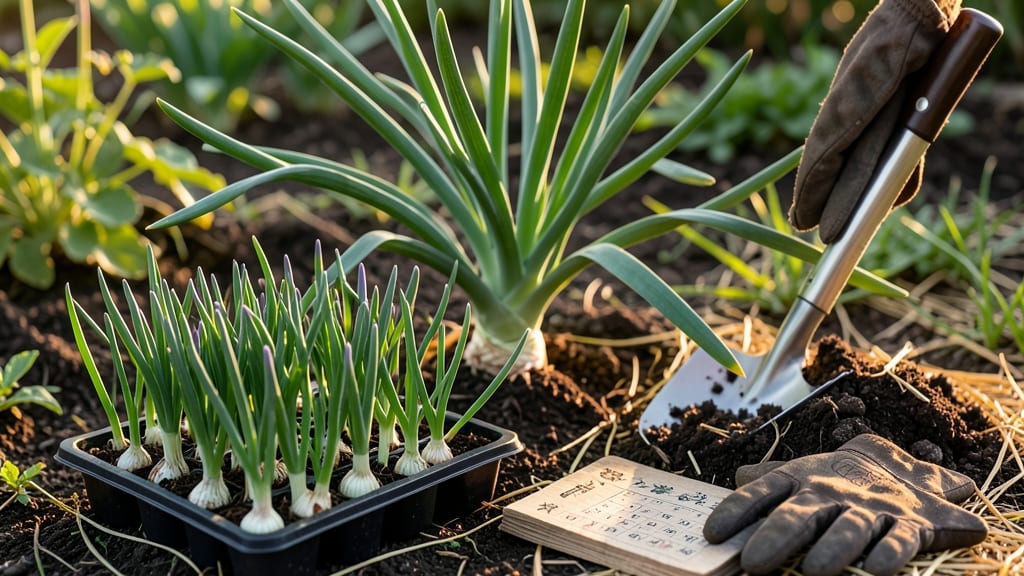
If you've ever wondered when to plant onions in North Carolina, timing is the secret ingredient to success—especially in zones 7a-8b where frost dates can make or break your harvest.
Unlike some crops, onions don’t forgive missed windows, and planting too early or late often leads to weak bulbs or bitter flavors.
For North Carolina gardeners, the ideal planting window hinges on two key seasons: early spring (March-April) for quick green onions or 🧅 bulbs ready by summer, and late summer (July-August) for fall harvests.
But here’s the catch: short-day onion varieties thrive in NC’s climate, meaning they need specific daylight cues to form bulbs correctly.
In this guide, I’ll break down the exact months to plant, how to prep your soil for maximum yields, and why adjusting for your local microclimate (Coastal vs. Piedmont vs. Mountains) matters.
Whether you’re a first-time gardener or a seasoned grower, these insights will help you avoid common mistakes and grow onions that rival store-bought—only better.
Ready to transform your garden? Let’s dive into the best planting strategies tailored just for North Carolina’s unique growing conditions. Your next perfect onion harvest starts here.
Best planting months for onions in North Carolina by variety type
North Carolina’s diverse climate—from the Coastal Plain to the Mountains—means onion planting times vary by region and variety. Most gardeners focus on short-day and intermediate-day onions, which thrive in NC’s USDA Zones 7a-8b.
These varieties form bulbs when daylight shortens, making them ideal for our spring and fall seasons.
For spring onions, aim to plant 4-6 weeks before your last frost date (typically mid-March in most of NC).
This gives seedlings time to establish roots before warmer weather arrives. Fall planting works best when you sow 10-12 weeks before the first frost (usually late July to early August), ensuring bulbs mature before winter sets in.
Here’s how microclimates affect timing:
- Coastal NC (Zone 8a): Plant February-March for spring or July-August for fall.
- Piedmont (Zone 7b): Stick to March-April or late July.
- Mountains (Zone 7a): Wait until April for spring or August for fall to avoid early frosts.
| Variety Type | Best Planting Months | Notes for NC |
|---|---|---|
| Short-Day Onions | March-April (spring) or July-August (fall) | Best for Coastal NC; forms bulbs in shorter daylight. |
| Intermediate-Day Onions | February-March (spring) or June-July (fall) | Versatile for Piedmont/Mountains; adapts to NC’s variable light. |
| Long-Day Onions | Not recommended for NC | Requires longer daylight; better suited for northern states. |
| Green Onions/Scallions | February-May or August-September | Harvest young for greens; no bulb needed. |
If you’re growing from sets (small bulbs), plant them as soon as soil is workable (around 40°F). For transplants, wait until soil warms to 50°F (usually late March to April). Direct-sowing seeds can go in 2-3 weeks earlier than sets, since they germinate faster in cool soil.
Pro tip: Use row covers or straw mulch in early spring to protect seedlings from late frosts, which can delay bulb formation. In fall, prioritize disease-resistant varieties like ‘Red Creole’ or ‘Yellow Granex’ to combat NC’s humid summers.
For green onions, you can plant every 2-3 weeks from February to September for a continuous harvest. These don’t need long daylight to form bulbs, making them the most flexible option for NC gardeners.
Remember: Soil temperature matters more than air temperature. Use a soil thermometer to confirm it’s 40°F+ before planting sets or 50°F+ for transplants. Cool, moist soil speeds up germination and early growth.
Finally, avoid planting onions where garlic or other alliums grew the previous year to prevent soil-borne diseases. Rotate crops and amend soil with compost to ensure healthy, flavorful bulbs.
🌱
How to adjust onion planting for North Carolina’s frost dates and soil conditions
North Carolina’s variable frost dates and humid climate demand smart adjustments to your onion planting schedule. In USDA Zones 7b-8b, frost can linger until mid-March in the Mountains but arrive as early as mid-November in the Coastal Plain. To succeed, align your planting with these critical weather windows.
For spring onions, start planting 4-6 weeks before your last frost date—typically late February to early March in the Coastal Plain and early March to mid-April in the Mountains. This timing ensures seedlings emerge when soil temperatures are consistently above 50°F, preventing stunted growth.
Use row covers or cold frames to protect early plantings from late frosts (common in April). These tools can extend your growing season by 2-4 weeks, giving you an earlier harvest.
For fall onions, plant 10-12 weeks before your first frost—usually late July to early August—to ensure bulbs mature before winter sets in.
- 📅 Spring Planting: Start 4-6 weeks before last frost (Feb-Mar in Coastal, Mar-Apr in Mountains).
- 🌡️ Soil Temp: Wait until soil is 50°F+ to plant sets or seedlings.
- 🛡️ Frost Protection: Use row covers for late frosts (April).
- 🌱 Fall Planting: Plant 10-12 weeks before first frost (Jul-Aug).
- 💧 Watering: Reduce watering 2 weeks before harvest to toughen skins.
- 🌿 Mulch: Apply straw or grass clippings to retain moisture and suppress weeds.
North Carolina’s clay-heavy soils and high humidity can stifle onion growth if not amended properly. Before planting, mix 2-3 inches of compost into the top 12 inches of soil to improve drainage and fertility.
Onions thrive in sandy loam with a pH of 6.0-7.0—test your soil and adjust with lime (to raise pH) or sulfur (to lower pH) as needed.
To prevent bolting (premature flowering), avoid planting onions where garlic or other alliums grew the previous year. Rotate crops and ensure your soil is well-draining—waterlogged conditions lead to rot and poor bulb formation. If your garden sits in a low spot, consider raised beds to improve drainage.
Finally, mulch heavily after planting to conserve moisture and regulate soil temperature. Use straw or shredded leaves (avoid grass clippings, which mat down and suffocate plants). In hot, humid summers, mulch helps prevent neck rot, a common issue in North Carolina’s climate.