
Companion Plants
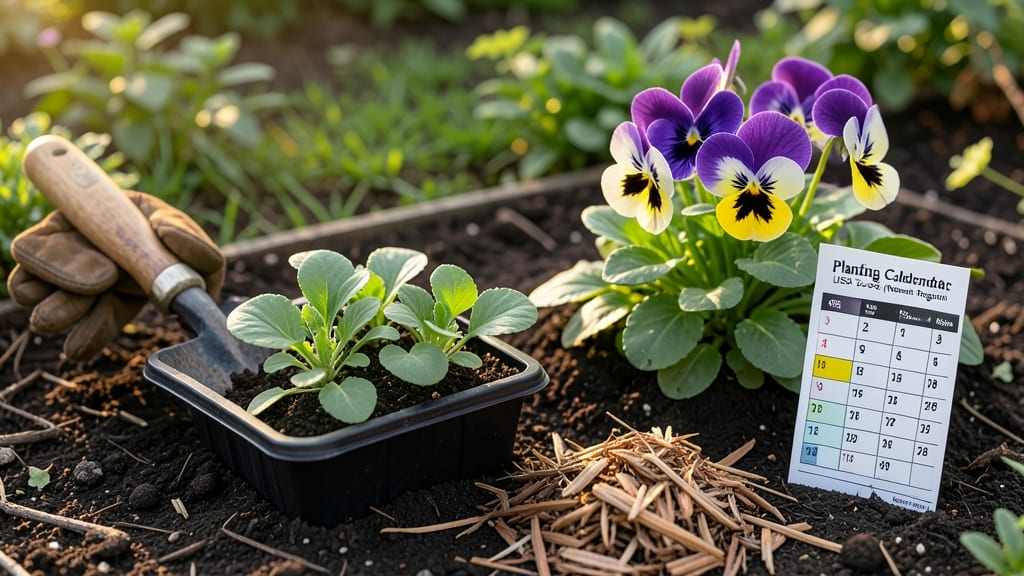
If you've ever wondered when can I plant pansies in the Northeast for those vibrant, frost-resistant blooms, timing is the secret ingredient to success. These cheerful 🌸 flowers love cooler weather, but planting them too early or late can mean missed opportunities for stunning spring and fall displays.
For gardeners in USDA zones 5-7, the ideal windows are early spring (March-April) or late summer (August-September). This timing lets you take full advantage of their cold-hardy nature while avoiding frost damage that could stunt their growth.
I'll walk you through the exact dates for your specific zone, plus soil prep tips and care strategies to keep your pansies thriving. Whether you're planning for a burst of spring color or extending your garden's beauty into fall, you'll find all the details you need right here.
Let's dive into how to plant pansies at the perfect moment for your Northeast garden, ensuring you get the most out of these resilient little flowers all season long.
Northeast planting zones for pansies: exact dates by hardiness Zone
Timing your pansy planting is crucial in the Northeast, where USDA zones 3-7 experience dramatic seasonal shifts. Pansies thrive in cool weather but need frost-free soil to establish roots—plant too early, and you risk frost damage; too late, and summer heat will stress them.
Let’s break down the optimal planting windows by zone to ensure vibrant blooms from spring to fall.
Most Northeast gardeners focus on two planting windows: early spring (March-April) for summer blooms and late summer (August-September) for fall/winter color. However, your exact timing depends on your last frost date and first frost date.
For example, Zone 3’s last frost can arrive as late as May 15, while Zone 7 sees it by April 15. Let’s align your planting with these critical dates.
Here’s a quick reference for soil temperature readiness: pansies prefer soil between 50-65°F. Use a soil thermometer to check—if it’s colder, wait. Warmer than 70°F, and you’ll risk heat stress.
In the Northeast, this typically aligns with late April to early May for spring and mid-August to early September for fall.
| USDA Zone | Last Frost Date | Spring Planting Window | First Frost Date | Fall Planting Window |
|---|---|---|---|---|
| Zone 3 | May 15 | April 15–May 1 | October 1 | August 15–September 1 |
| Zone 4 | May 1 | April 1–April 15 | October 15 | August 1–August 15 |
| Zone 5 | April 20 | March 20–April 5 | October 20 | July 30–August 10 |
| Zone 6 | April 10 | March 10–March 25 | October 30 | July 15–July 30 |
| Zone 7 | April 1 | February 28–March 15 | November 1 | July 1–July 15 |
Pro tip: In Zone 3-4, opt for cold-hardy varieties like 'Ice Dance' or 'Majorette' to extend your fall display. These varieties can handle light frosts (20-25°F) and even provide winter interest with a dusting of snow on their petals.
For Zone 5-7, focus on early spring planting to beat summer heat.
If you’re in a microclimate (like a sheltered urban garden), you might push planting dates by 1-2 weeks earlier in spring or 1 week later in fall. Always monitor local weather forecasts—unpredictable late frosts can still sneak in, especially in Zone 3-4.
Use frost cloth as a precaution if nights dip below 32°F.
For container gardening in the Northeast, plant pansies in late April to early May to avoid early-season frost. Containers warm up faster than garden beds, so they’re safer for earlier planting. Just ensure your pots have drainage holes and use a lightweight potting mix to prevent waterlogging.
Remember: Pansies planted in late summer (August-September) will reward you with fall and early winter blooms, adding color when many gardens are bare. This is especially magical in Zone 5-7, where frost arrives later.
Aim for 6-8 weeks before your first frost to give roots time to establish before winter sets in.
Finally, avoid planting pansies in mid-summer (June-July)—the heat will stress them, leading to bolting (premature flowering) or poor growth. Instead, treat them as a cool-season annual
Signs your Northeast soil is ready for pansies (and when to wait)
Planting pansies at the right time isn't just about checking a calendar—it's also about reading your soil's signals. Cold soil below 50°F (10°C) can stunt root growth, while warm soil above 65°F (18°C) may trigger early bolting. The Northeast's unpredictable spring weather makes these checks especially important.
Use a soil thermometer to test 2-3 inches deep—this is where pansy roots will establish. If the temperature hovers between 50-65°F (10-18°C), your soil is likely ready.
In Zone 5, this typically aligns with late April to early May, while Zone 7 gardeners can plant as early as mid-March.
Visual cues also matter: Look for dry, crumbly soil that's easy to work without sticking to your hands. If your garden feels soggy or muddy, wait for warmer, drier conditions to avoid root rot. Urban areas often warm up faster than rural spots due to heat island effect, so adjust your timing accordingly.
🌱 Pro Tip: If you're planting in containers, soil warms up 2-3 weeks faster than in-ground soil. This means you can start 2 weeks earlier with potted pansies in the Northeast.
Avoid These Common Mistakes
- Planting too early: Frost-sensitive pansies can wilt or rot if soil temps drop below 40°F (4°C).
- Ignoring microclimates: South-facing beds warm up 1-2 weeks sooner than north-facing spots.
- Skipping soil prep: Amend heavy clay soil with compost or sand to improve drainage.
For fall planting, aim for 6-8 weeks before your first frost. In Zone 5, this means late August to early September, while Zone 7 gardeners can extend planting until mid-October. Mulch with 2-3 inches of straw to insulate roots and protect against early frost.
If you're unsure about your soil's readiness, perform the "squeeze test": Grab a handful of soil—if it crumbles easily when dry and holds light moisture when damp, it's perfect for pansies. This simple check saves you from transplant shock and ensures your flowers thrive from day one.
🌿 Remember: Pansies are cold-hardy but not frost-proof. Always check your local frost dates and adjust planting windows by 1-2 weeks if your area experiences early freezes.