
Plants
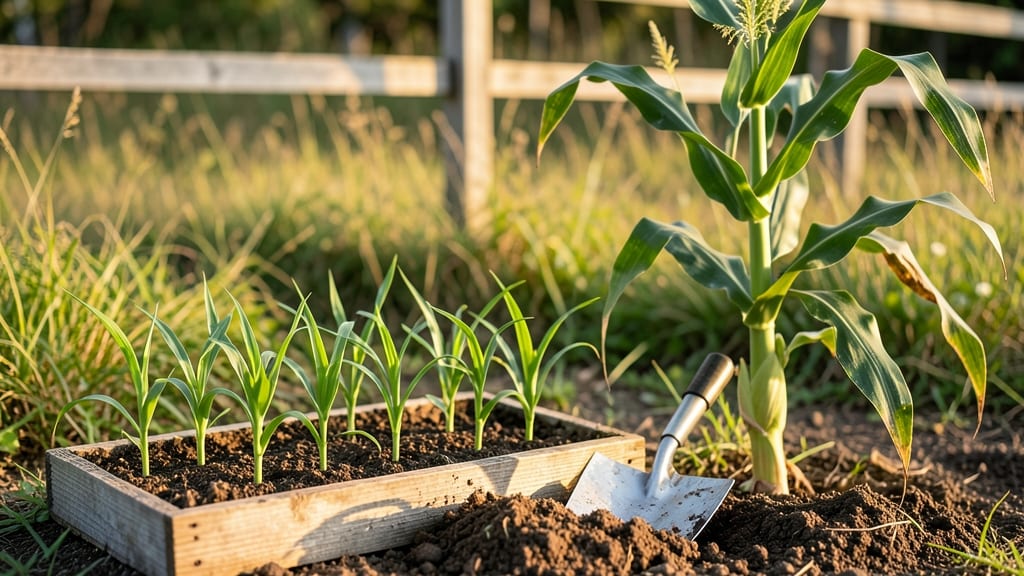
Timing your corn planting in Vermont isn't just about the calendar—it's about dodging frost, warming soil, and giving those stalks the 165 frost-free days they need to reach their towering potential. 🌽 Skip the guesswork, and you could end up with stunted ears or worse, a wasted season.
Here's the truth: Vermont's 4b-6a zones mean your neighbors might be planting while you're still shoveling snow. The sweet spot? Mid-May to early June, when soil hits 55°F and danger of frost has passed. But what if your yard sits in a microclimate where cold lingers longer?
You'll discover exactly how to read your local frost dates, adjust for high-altitude gardens, and even stretch your growing season with clever tricks. I'll show you which corn varieties thrive in Vermont's short summer and how to avoid the 3 biggest planting mistakes that leave gardeners scratching their heads.
Whether you're a first-time planter or a veteran looking to boost yields, these zone-specific tips will help you turn your backyard into a cornucopia—literally. Let's get those seeds in the ground at just the right moment.
Vermont corn planting dates by hardiness zone for optimal growth
Vermont’s USDA hardiness zones 4b-6a create unique challenges for corn growers. Unlike warmer climates, timing is everything here—plant too early, and frost will kill tender seedlings; too late, and your harvest may never mature.
The key is aligning your planting window with soil temperatures (minimum 55°F) and frost-free dates, which typically fall between May 10-20 across the state.
For northern Vermont (zones 4b-5a), where growing seasons are shortest, focus on early-maturing varieties (60-75 days to harvest). In southern Vermont (zones 5b-6a), you have more flexibility to try mid-season varieties (75-90 days) or even late-season sweet corn (90-120 days) with proper planning.
Always check your local last frost date—it’s your planting deadline.
Pro Tip: Use a soil thermometer to confirm readiness. Corn seeds won’t germinate below 55°F, even if frost risk has passed. In cooler zones, consider black plastic mulch to warm the soil faster.
| Zone | Planting Window | Soil Temp Requirement | Recommended Varieties | Harvest Window |
|---|---|---|---|---|
| 4b (Northern VT) | Mid-May to early June | 55-60°F | Early Sweet (e.g., 'Ambrosia', 'Golden Bantam') | Late July to early August |
| 5a (Central VT) | Late April to mid-May | 55°F+ | Mid-Season (e.g., 'Silver Queen', 'Peaches and Cream') | Early August to mid-September |
| 5b-6a (Southern VT) | Late April to early June | 50-55°F (with mulch) | Late Season (e.g., 'Country Gentleman', 'Honey & Pearl') | Mid-August to early October |
If you’re in zone 4b, stick to short-season varieties like 'Ambrosia' (70 days) or 'Golden Bantam' (60 days). These mature before Vermont’s first frost, which typically arrives around October 15-30.
For zones 5b-6a, you can experiment with succession planting—sow a second crop in early July for a late-summer harvest.
For direct sowing (the preferred method for corn), wait until nighttime temperatures stay above 60°F. This usually aligns with late May in most of Vermont.
If you’re using transplants, start seeds indoors 4-6 weeks before your last frost date, but be prepared to harden them off carefully—corn doesn’t transplant well.
Soil preparation is just as critical as timing. Corn thrives in well-draining, slightly acidic soil (pH 6.0-7.0). Before planting, amend your soil with compost or aged manure to boost fertility.
Avoid fresh manure, which can burn young seedlings. In cool, wet springs, raise beds to improve drainage and warm the soil faster.
One common mistake is planting corn in straight rows. Instead, use blocks or squares (e.g., 3 rows x 3 plants) to improve pollination. Corn is wind-pollinated, and closer spacing ensures better kernel set. Space seeds 1-1.5 inches deep and 4-6 inches apart within the block.
For urban gardeners or those with limited space, consider bush corn varieties like 'Tom Thumb' (5 ft tall, 60 days). These produce ears on shorter stalks but still require full sun and consistent moisture. Just remember: even dwarf varieties need 6-8 hours of sunlight daily—no shortcuts here!
Finally, keep an eye on frost forecasts using tools like the NOAA Frost Prediction Map or local agricultural extensions. If a late frost is predicted, cover young plants with row covers or frost cloth until temperatures rise.
With the right timing and care, you’ll be enjoying homegrown Vermont corn by late summer!
How to adjust corn planting time for Vermont’s microclimates
Vermont’s rolling hills and valleys create microclimates where frost lingers longer in high-altitude spots but warms faster in sheltered pockets. If you’ve ever watched your neighbor’s corn thrive while yours struggles, it’s likely due to these localized growing conditions.
The key? Adjusting your planting window based on your specific location’s frost patterns and sun exposure. 🌡️
For urban gardens surrounded by buildings or pavement, soil warms 2-3 weeks later than rural areas. Use a soil thermometer—plant only when readings hit 55°F consistently. In high-altitude areas (like the Northeast Kingdom), push planting back to late May or early June to avoid late frosts.
Meanwhile, south-facing slopes can support earlier plantings, sometimes as early as mid-April if protected.
Here’s how to fine-tune your schedule for your microclimate, whether you’re in a cool valley or a sun-drenched backyard:
- 1 Urban Gardens: Wait until May 20–June 1 due to slower soil warming. Use black plastic mulch to speed up heating.
- 2 High-Altitude Areas: Plant late May–early June to avoid late frosts. Choose short-season varieties (e.g., 'Early Sunglow').
- 3 Sheltered Valleys: Start as early as mid-April if frost risk is low. Monitor local frost alerts via apps like FrostWatch.
- 4 Soil Warming Tricks: Cover beds with clear plastic 1–2 weeks before planting to raise soil temps by 5–10°F.
- 5 Succession Planting: For extended harvests, stagger plantings every 2 weeks up to July 1 (use fast-maturing varieties).
Don’t overlook wind exposure—corn needs still air for pollination. If your garden is windy, plant near a windbreak (e.g., fence or shrubs) or choose compact varieties like 'Bodacious'. For container growing, use large pots (minimum 12-inch diameter) and plant in early June to ensure enough warmth.
Pro tip: Track your garden’s frost history for 3 years to spot patterns. Vermont’s last frost can vary by 2–3 weeks between zones—don’t rely on neighbors’ schedules! Use the Vermont Climate Assessment tool to input your exact location for personalized frost data. 📊
Even with adjustments, late-season corn may not fully mature. Prioritize early- to mid-season varieties (e.g., 'Silver Queen' or 'Peaches and Cream') for reliable yields. If you’re ambitious, try greenhouse starts in late April for a 2-week head start—just transplant carefully to avoid shocking roots. 🌱