
Companion Plants
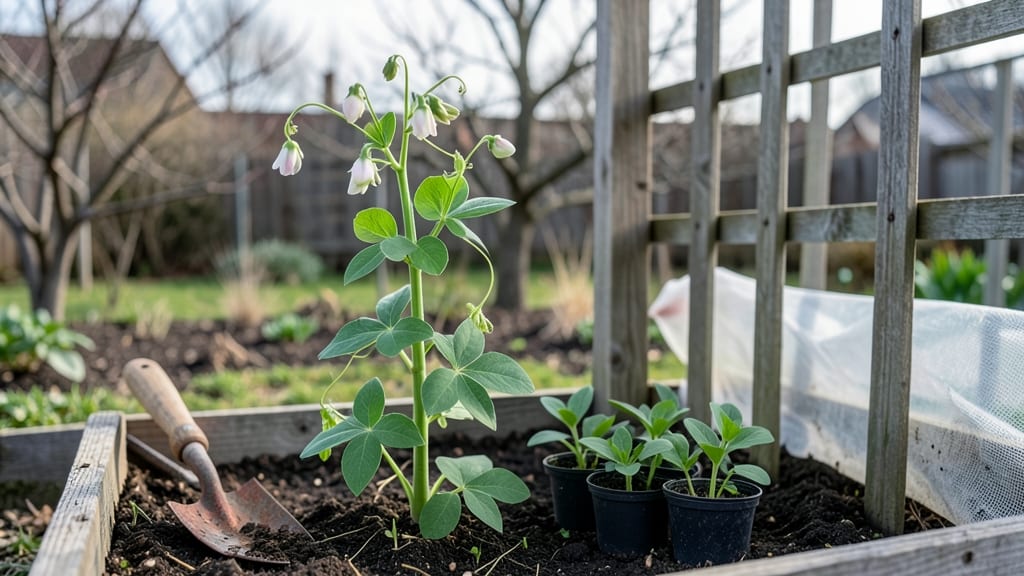
If you're wondering "when can I plant peas in Zone 5", timing is the key to a bountiful harvest. These crisp, sweet 🌱 peas thrive in cool weather, but planting too early risks frost damage while waiting too long means missing the perfect window.
In Zone 5, your best bet is to sow peas 2-3 weeks before your last expected frost—typically around early March to mid-April. This gives them time to germinate quickly in 40-50°F soil, which is ideal for fast growth without risking freezing temperatures.
Don't overlook late summer planting either! For a fall harvest, aim for August to early September, ensuring your peas mature before the first frost hits. The trick is balancing soil warmth and frost dates—something I’ll help you master with exact planting schedules and pro tips.
Ready to grow peas that germinate fast and produce pods in 60-70 days? Let’s break down the exact frost-free weeks and soil prep secrets to make your pea patch a success—no guesswork required.
Zone 5 pea planting calendar: exact weeks before/after last frost for fast germination
Peas are cold-hardy and can handle light frosts, but timing your planting around Zone 5’s last frost date (April 15) is key. Planting too early in cold soil delays germination, while waiting too long risks missing the 60-70 day harvest window.
Aim for 2-3 weeks before your average last frost for best results. This gives peas time to establish roots before soil warms up.
For Zone 5, the ideal planting window spans from late March to mid-April. Early varieties like 'Early Sugar Snap' can even tolerate light snow cover, while mid-season types like 'Green Arrow' need slightly warmer soil.
Fall planting is also possible—sow 8-10 weeks before the first frost (around early September) for a late harvest.
Soil temperature is critical: peas germinate best in 45-75°F soil. Use a soil thermometer to check—if temps are below 40°F, wait a week or two. Cold soil slows germination to 10-14 days instead of the usual 7-10 days.
In Zone 5’s unpredictable spring, this delay can push your harvest into summer heat, reducing sweetness.
Here’s the exact frost-free timeline for Zone 5 peas, broken down by variety type and planting method:
Direct-sowing peas is easiest, but starting indoors can give you a 2-week head start in Zone 5’s short season. Transplant seedlings 1-2 weeks before the last frost, but avoid disturbing roots—peas have a delicate root system that can break easily.
If you choose this method, use biodegradable pots to minimize transplant shock.
Peas thrive in cool weather, so avoid planting when daytime temps exceed 75°F. In Zone 5, this typically means stopping spring plantings by mid-May. If summer heat arrives early, opt for shade-tolerant varieties like 'Mr. Big' and provide afternoon shade with row covers or trellis netting.
For a continuous harvest, stagger plantings every 2 weeks from late March to early May. This ensures pods mature at different times, giving you fresh peas for 6-8 weeks.
Pair early and late varieties—like 'Little Marvel' (55 days) with 'Tom Thumb' (60 days)—to extend your harvest window even further.
Don’t forget to test your soil before planting. Peas prefer pH 6.0-7.0 and well-draining soil. Amend heavy clay with compost or sand to improve aeration. A simple home pH test kit (under $10) ensures your soil is ready for peak pea production.
🌱
Zone 5 pea planting calendar: exact weeks before/after last frost for fast germination
Peas love cool weather, but soil temperature is the real game-changer for Zone 5 gardeners. Your goal is to plant when soil reaches 40-50°F—this triggers fast germination (usually within 7-14 days).
In Zone 5, this typically aligns with 2-3 weeks before your last frost date, which averages around April 15.
For a spring harvest, aim to plant between early March and mid-April. If you miss this window, don’t worry—peas also thrive in late summer for a fall harvest. The key is ensuring they mature 60-70 days before the first frost (usually October 15 in Zone 5).
| Planting Window | Soil Temp (°F) | Days to Germination | Frost Risk | Harvest Window |
|---|---|---|---|---|
| Early Spring (March) | 40-50°F | 7-14 days | Low (if planted 2-3 weeks before last frost) | Late May - June |
| Mid-Spring (April) | 50-60°F | 5-10 days | Moderate (closer to frost) | June - Early July |
| Late Summer (August) | 55-65°F | 10-14 days | Low (if planted 8-10 weeks before first frost) | September - October |
Pro tip: Use a soil thermometer to check temperatures before planting. Peas struggle to germinate in soil below 40°F, even if air temps seem warm. If your soil is too cold, wait a week or two—patience pays off with faster sprouts!
For fastest germination, soak pea seeds overnight before planting. This trick can cut germination time by 3-5 days, giving you a head start on the growing season. Pair this with a trellis or cage to save space and improve air circulation.
Don’t overlook fall planting—it’s a smart way to extend your harvest. Plant 8-10 weeks before your first frost (typically August 15-September 1 in Zone 5) for a late-season bounty. Just be sure to choose cold-hardy varieties like 'Sugar Snap' or 'Green Arrow'.
Timing peas right in Zone 5 isn’t just about frost dates—it’s about balancing soil warmth, daylight hours, and variety selection. Master these, and you’ll enjoy peas straight from your garden for two harvests a year! 🌱