
Companion Plants
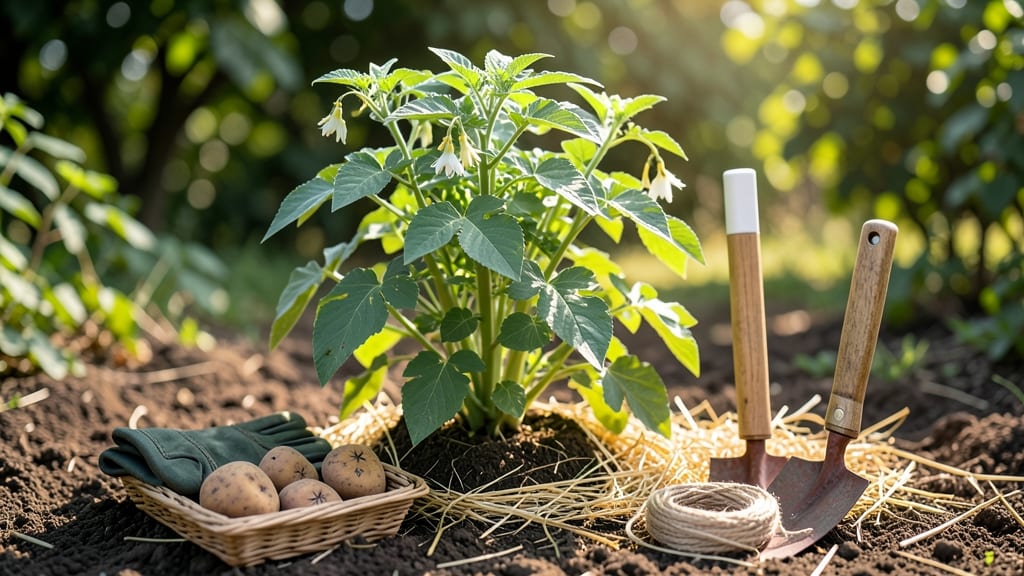
If you've ever wondered when to plant potatoes in Ohio without risking frost damage or a wasted harvest, you're not alone. The difference between a bumper crop of crisp, golden 🥔 and a sad, shriveled mess often comes down to timing—especially in Ohio's variable climate.
Ohio gardeners know that planting too early can mean frost-nipped sprouts, while waiting too long cuts your harvest short. The key is understanding your local frost dates and soil temperatures, which can vary by 6a zone and even between northern and southern Ohio.
With the right approach, you can plant your potatoes at the perfect moment for maximum yield.
I'll walk you through Ohio's exact planting windows, how to adjust for early vs. late varieties, and the soil prep secrets that make all the difference.
Whether you're a first-time gardener or a seasoned spud grower, these insights will help you avoid common mistakes and get the harvest you've been dreaming of.
From chitting your seed potatoes to spacing them just right, we'll cover everything you need to know to grow potatoes that thrive from seed to harvest. Let's get started on your path to a garden full of homegrown goodness.
Ohio’s last frost dates by zone: exact weeks to plant potatoes for maximum yield
Ohio’s USDA hardiness zones 5b-7a create distinct planting windows for potatoes—miss the timing, and you’ll risk frost damage or stunted growth.
The last spring frost typically arrives between April 15 (southern Ohio) and May 1 (northern Ohio), but microclimates (like valleys or urban heat islands) can shift these dates by 1-2 weeks.
For optimal yields, plant potatoes 4-6 weeks before your area’s last frost date. This gives tubers time to establish roots before soil warms to 45°F—the minimum temperature for sprouting.
In southern Ohio (zones 6a-7a), aim for mid-March to early April, while northern Ohio (zones 5b-6a) gardeners should wait until late March to mid-April.
Here’s how Ohio’s frost-free periods break down by zone, with NOAA-verified averages and Ohio State Extension recommendations:
| Zone | Avg. Last Frost | Planting Window | Soil Temp. Goal | Harvest Window |
|---|---|---|---|---|
| 5b (Northeast OH) | May 1 | Late March–April 15 | 45°F+ | July 15–Aug 15 |
| 6a (Central OH) | April 15 | Mid-March–April 1 | 45°F+ | July 1–Aug 1 |
| 7a (Southwest OH) | April 1 | Early March–March 31 | 45°F+ | June 15–July 15 |
Use these dates as a starting point, but always verify with your local Cooperative Extension office or NOAA frost maps. For example, Columbus (zone 6a) averages a last frost of April 12, while Toledo (zone 5b) often sees frost lingering until May 5.
Adjust your planting schedule if you’ve had unusually cold springs in recent years.
Pro tip: If you’re unsure about frost dates, use biodegradable frost blankets to protect early plantings. These lightweight covers raise soil temperatures by 5-10°F and can extend your planting window by 2-3 weeks in high-risk areas like northern Ohio.
For extended harvests, consider succession planting: Start with early varieties (e.g., Red LaSoda) in March, then follow with mid-season types (e.g., Kennebec) 2-3 weeks later. This ensures a steady supply of potatoes from June through September.
Soil temperature is just as critical as frost dates. Use a soil thermometer to confirm your garden beds have reached 45°F at a 4-inch depth. Cold soil slows sprouting and increases the risk of damping-off disease, a fungal issue that kills seedlings.
Ohio’s clay-heavy soils in many regions can delay warming. If your soil stays below 45°F after the recommended planting window, opt for warmer-season varieties (e.g., Red Pontiac) or use black plastic mulch to raise soil temperatures by 10-15°F.
Remember: Potatoes hate heat too. Planting too late (after May 15) risks blossom-end rot or poor tuber formation. If you miss the spring window, you can try fall planting in late August for a winter harvest, but yields will be smaller.
How to adjust planting for Ohio’s unpredictable weather: early vs. late varieties
Ohio’s spring weather can be as unpredictable as a rollercoaster—one day it’s sunny, the next it’s snowing. That’s why choosing the right potato varieties and planting strategies is key to success.
Early varieties mature in 60-90 days, while late varieties take 100-130 days, so your choice depends on your last frost date and how long you can extend the season.
For northern Ohio (USDA Zone 5b), where frost lingers longer, focus on early-maturing varieties like 'Yukon Gold' or 'Red Norland.' These give you a harvest before summer’s heat sets in.
In southern Ohio (Zone 6a), you can stretch your season with late varieties like 'Kennebec' or 'Russet Burbank,' but you’ll need to start early and use soil-warming tricks.
Here’s how to make it work: Plant early varieties 3-4 weeks before your average last frost date, while late varieties go in 2 weeks before to give them time to mature. If you’re unsure, check your local cooperative extension office for precise frost date data—it varies by county!
Early vs. Late Varieties: Pros and Cons
Early Varieties
- Pros: Faster harvest, lower frost risk, great for short seasons
- Cons: Smaller tubers, limited storage life
Late Varieties
- Pros: Larger tubers, longer storage, better yield
- Cons: Needs longer season, higher frost risk if late
To give your soil a head start, use black plastic mulch or cloches to warm the ground faster. This lets you plant 2-3 weeks earlier than usual, especially in cooler areas. Just remove the mulch once sprouts appear to avoid overheating.
For a second harvest in Ohio’s shorter summers, try succession planting with early varieties every 2 weeks after the first planting. This keeps your kitchen stocked with fresh potatoes all season long—just be sure to harvest before the first frost hits in October.
If you’re still unsure, start with a mix of both early and late varieties. That way, you’ll have a gradual harvest and reduce the risk of losing everything to late-season weather. And remember: soil temperature matters just as much as air temperature—aim for 45°F or warmer before planting.