
Plants
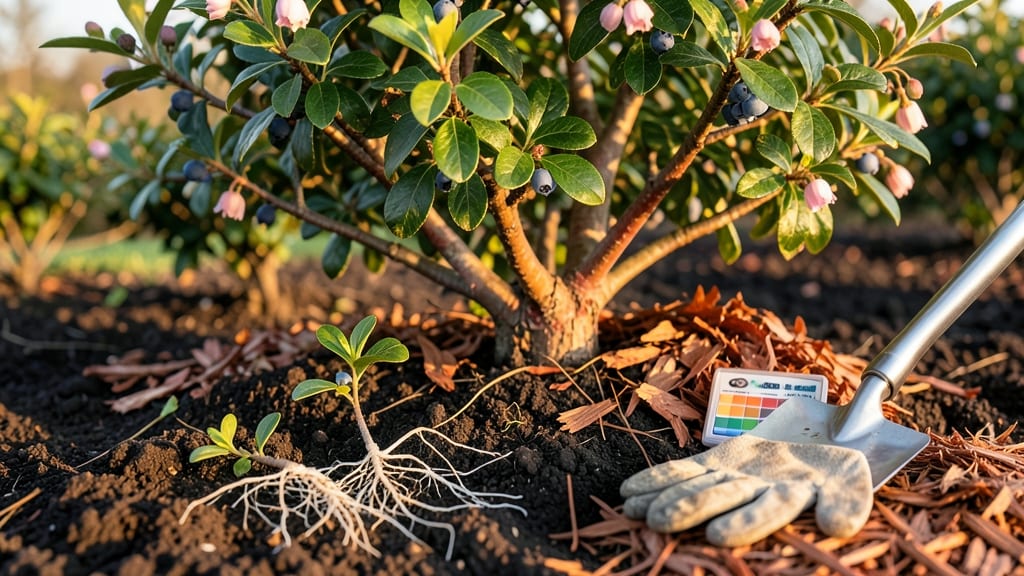
Timing your blueberry 🫐 planting in Zone 8b could mean the difference between a thriving bush and one that struggles—because late frosts and heat waves here make the window narrower than you’d expect.
Most gardeners assume spring is the only option, but in Zone 8b, late fall planting (October–February) actually gives your blueberries a head start on root growth before summer’s intensity.
The key? Planting 6–8 weeks before your average last frost—usually by mid-February—so your bushes establish roots without competing with summer heat.
Whether you’re working with bare-root plants or containers, the right timing plus proper soil prep (acidic, well-draining) sets the stage for stronger bushes and bigger harvests. I’ll break down the exact weeks to aim for, plus how to adjust for coastal vs. inland microclimates in Zone 8b.
Ready to avoid common mistakes? Let’s dive into the science-backed schedule that’ll have your blueberries thriving by next harvest season.
Optimal blueberry planting weeks before last frost in Zone 8b (with exact dates)
Blueberries thrive when planted during Zone 8b’s dormant season, typically between mid-October and early February. This timing ensures roots establish before spring growth begins.
For bare-root plants, aim for late fall (November) when soil temps drop below 60°F, while container-grown bushes can handle early spring (February-March) planting.
Zone 8b’s average last frost date falls around February 15, so plant 6-8 weeks before this date for ideal root development. Coastal areas may extend this window slightly due to milder microclimates, while inland regions should plant closer to November-December to avoid winter stress.
To pinpoint your exact window, check your local USDA frost calendar or use a frost-free date calculator. For example, if your last frost is February 20, plant bare-root blueberries by December 20 and container-grown plants by February 1.
📅 Zone 8b Blueberry Planting Timeline
| Planting Window | Soil Temp | Best For | Notes |
|---|---|---|---|
| Late October - November | 50-60°F | Bare-root plants | Dormant season; minimal transplant shock |
| December - Early January | 40-50°F | Container-grown plants | Protect with mulch if temps drop below 30°F |
| February (Coastal) | 55-65°F | All types | Soil must be workable; avoid waterlogged conditions |
💡 Pro Tip: Test soil temperature with a soil thermometer—ideal planting temps are 40-60°F.
Spring planting in Zone 8b is riskier due to late frosts, but container-grown plants can tolerate it if soil is workable and not frozen. Avoid planting after March 15, as new growth may be damaged by unexpected cold snaps.
For coastal Zone 8b (e.g., Southern California), extend your window to March—warmer microclimates delay frost risks. Inland areas (e.g., Arizona low deserts) should plant by January to avoid heat stress.
After planting, mulch heavily (3-4 inches) with pine bark or leaves to insulate roots. Water deeply once a week during dormancy to prevent drought stress. First-year plants won’t fruit, but proper timing sets up 3-5 years of abundant harvests.
Monitor local weather forecasts for unexpected frost warnings—young blueberries are vulnerable to damage below 20°F. Use frost cloth if temps drop suddenly after planting.
Blueberries planted at the right time in Zone 8b will establish 20-30% faster than those planted outside the optimal window. Patience pays off—first harvests appear in years 3-4 for well-timed plantings.
How to prepare your blueberry planting site for Zone 8b’s climate challenges
Preparing your blueberry planting site in Zone 8b is half the battle—because the wrong soil or exposure can turn even the best planting timing into a struggle. Unlike cooler zones, Zone 8b’s heat and occasional late frosts demand extra prep work.
Start by testing your soil pH—blueberries need acidic soil (4.5–5.5)—and amend with sulfur or peat moss if your soil is too alkaline.
Drainage is another critical factor. Heavy clay soils common in Zone 8b can drown roots, so mix in compost or sand to improve aeration. If your site has poor drainage, consider planting in a raised bed or mound to prevent waterlogging during Zone 8b’s occasional heavy rains.
⚠️ Late Frost Warning for Zone 8b
Even after planting, late frosts (common until mid-March) can damage young blueberry bushes. Protect your plants with frost cloth or a row cover during cold snaps. Inland areas of Zone 8b are riskier than coastal regions, where ocean breezes moderate temperatures.
🌡️ Pro Tip: Monitor your local frost forecast and keep a heat lamp nearby for extra protection if needed.
Mulching is a game-changer in Zone 8b’s hot summers. Apply a 3-inch layer of pine straw or wood chips around your bushes to retain moisture and regulate soil temperature. This is especially important during Zone 8b’s dry spells, where mulch can reduce watering needs by up to 50%.
Finally, choose a sunny spot with at least 6 hours of sunlight daily, but avoid areas that bake in the afternoon sun. Morning sun + afternoon shade works best in Zone 8b’s intense heat.
If your yard has limited shade, consider planting near a south-facing wall for natural protection.
With these prep steps, your blueberries will have the best shot at thriving in Zone 8b’s challenging climate—ready to produce fruit in just 2–3 years! 🌱