
Flowers
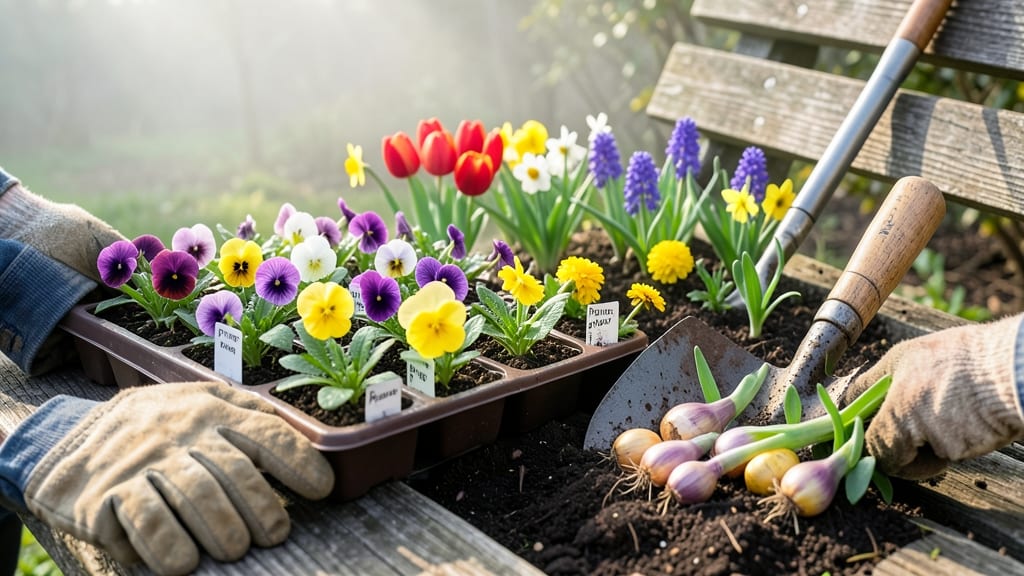
Knowing when to plant flowers in spring can mean the difference between a garden bursting with color and one that struggles to take root. The key isn't just waiting for warm weather—it's understanding your local frost dates and how they affect different types of blooms.
For most gardeners in Zone 6a, the ideal window opens after your last frost date, typically between April and May. But planting too early risks frost damage, while waiting too long might delay your vibrant 🌸 display.
Let's break down the exact timing you need for annuals, perennials, and cold-hardy varieties.
You'll discover how to calculate your frost-free days, adjust for microclimates, and choose the right flowers for early or late planting. Whether you're a beginner or a seasoned gardener, these tips will help you avoid common mistakes and get your garden off to the best start.
Ready to transform your space? I'll show you how to prep your soil, space your plants correctly, and pick the perfect blooms for your zone—so you can enjoy a garden that thrives all season long.
Spring flower planting timeline by USDA hardiness Zone (exact weeks before last frost)
Getting your spring flowers in the ground at the right time makes all the difference between a show-stopping garden and frost-nipped failures. The key?
Planting 3-12 weeks before your last frost date, but the exact timing depends on your USDA hardiness zone and whether your flowers are frost-tolerant or heat-lovers.
For example, pansies and snapdragons can handle light frosts and often go in 4-6 weeks before last frost, while marigolds and petunias need to wait until 2 weeks after—or risk stunted growth. Let’s break it down by zone so you can plant with confidence.
🌱 PRO TIP: Always check your local last frost date (not the average) using your county’s agricultural extension service or a microclimate app. A late frost can wipe out your early plantings!
| USDA Zone | Last Frost Window | Frost-Tolerant Flowers (Plant 4-6 Weeks Before) | Heat-Loving Flowers (Plant 2 Weeks After) | Soil Temp Goal (°F) |
|---|---|---|---|---|
| Zones 3-5 | Mid-April to early May | Pansies, Sweet Peas, Snapdragons, Calendula | Marigolds, Zinnias, Petunias, Coleus | 50°F (10°C) |
| Zones 6-7 | Late March to mid-April | Violas, Stock, Larkspur, Dianthus | Geraniums, Impatiens, Begonias, Sunflowers | 55°F (13°C) |
| Zones 8-10 | Mid-February to March | Sweet Alyssum, Lobelia, Dusty Miller | Tropical Hibiscus, Bougainvillea, Lantana | 60°F (16°C) |
Notice how cooler zones (3-5) have a wider planting window because their last frosts arrive later? That’s why annuals like pansies thrive in early spring—they’re built to handle chill. Meanwhile, tropical varieties in zones 8-10 need warmer soil (60°F+) to germinate.
If you’re in Zone 6a (like many in the Midwest), aim to plant frost-tolerant flowers by April 1st and heat-lovers by May 15th. But here’s the catch: soil temperature matters more than air temperature. Use a soil thermometer to confirm it’s 50°F+ before planting.
For bulbs like tulips, the rule flips: plant them in fall (6-8 weeks before first frost) for spring blooms. But for seeds and young plants, spring timing is everything. Miss the window, and you’ll either have stunted growth or late-season blooms.
🌿 ZONE-SPECIFIC EXAMPLE: In Zone 4, your last frost might be May 10th, so plant snapdragons by April 1st (6 weeks out). In Zone 9, where frosts are rare, you can plant marigolds as early as February—but watch for unpredictable cold snaps.
Pro move: Start frost-sensitive flowers indoors 6-8 weeks before your last frost. Petunias and geraniums often need this head start to outpace slugs and cool soils. Use grow lights if your windowsill is dim.
Finally, perennials (like coneflowers or black-eyed Susans) can handle late spring plantings because they’re hardy and established. But annuals? They’re one-and-done—get them in on time or replant.
How to calculate your local last frost date (and adjust planting for early vs. late springs)
Finding your last frost date is the first step to timing spring flower planting just right. While Zone 6a typically sees its last frost around April 15, your exact date depends on local weather patterns.
Start by checking the USDA Plant Hardiness Zone Map and then cross-reference with local weather records or almanacs like the Old Farmer's Almanac.
For a more precise timeline, I recommend averaging the last frost dates from the past 5 years in your area. Websites like Almanac.com or NOAA Climate Data provide historical frost records. If you're new to gardening, your county extension office can also offer localized advice tailored to your microclimate.
Microclimates can shift your frost dates by 1-3 weeks. For example, urban areas often warm up faster than rural spots, while valleys hold cold air longer. Place a minimum-maximum thermometer in your garden for 2 weeks to track nighttime lows.
If your area is prone to late frosts, consider using row covers or cold frames to extend your planting window.
For frost-sensitive flowers like petunias or marigolds, wait until at least 2 weeks after your average last frost. Meanwhile, cold-hardy varieties like pansies or snapdragons can handle light frosts and may even bloom earlier. Always check seed packets for specific temperature tolerances.
Pro tip: If you're unsure about your frost date, use biological indicators like lilac bushes. When their buds start swelling, it's a sign that frost is unlikely in the next 2 weeks. Pair this with your calculated date for the most accurate timing.
Once you've nailed down your frost date, you can adjust your planting schedule. For annuals, aim to plant 2-4 weeks before the last frost, while perennials and bulbs can often go in 4-12 weeks earlier. This flexibility ensures your garden thrives without risking frost damage.