
Flowers
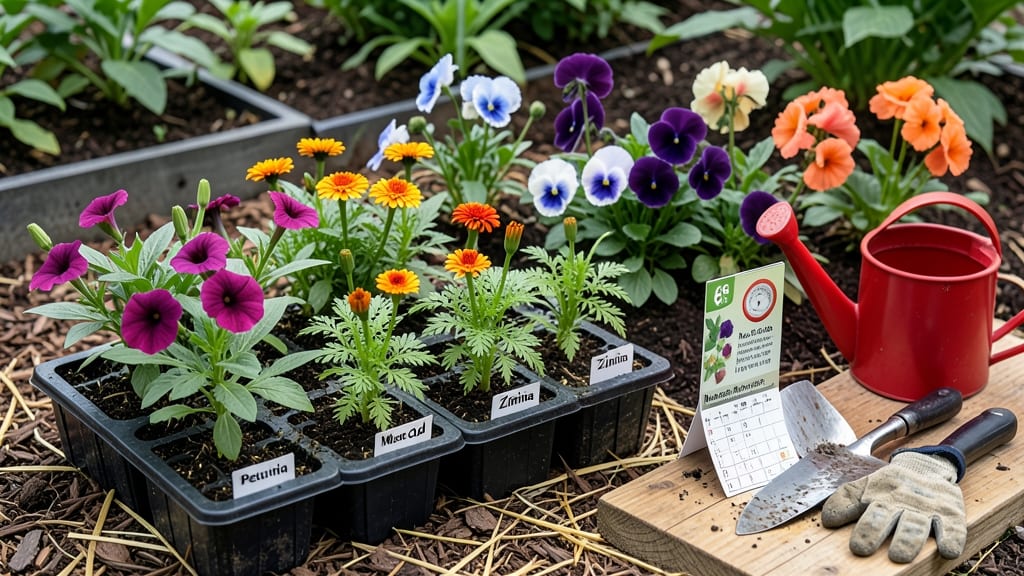
Knowing when to plant flowers in Zone 6b can transform your garden from a patch of dirt to a vibrant, blooming paradise by summer.
The difference between a thriving yard and a lackluster one often comes down to timing—plant too early, and frost will nip your blooms in the bud; too late, and you’ll miss the full season of color.
In Zone 6b, where last frosts typically arrive around mid-April and first frosts hit by mid-October, the window for planting is narrow but strategic. Whether you’re dreaming of tulips popping up in spring or marigolds brightening fall, the key is understanding the 4-6 week rule before your first frost.
Let’s break down the exact moments to plant for the most stunning, long-lasting blooms.
This isn’t just about throwing seeds in the ground and hoping for the best—it’s about working with your climate. Cool-season flowers like pansies can handle early spring plantings, while heat-loving zinnias need to wait until soil warms.
We’ll cover the best flowers for each season, so you can plan ahead and avoid common mistakes that kill blooms before they even begin.
Ready to turn your garden into a showstopper? I’ll walk you through the perfect planting calendar, from bulbs to perennials, and share pro tips to keep your flowers thriving all season long. Let’s get started!
Exact weeks before last frost to plant flowers in Zone 6B by season
Zone 6B spans regions like the Midwest and Northeast, where last frost dates typically fall between April 15 and May 15. This variability means your planting window hinges on local microclimates—so always check your average frost dates for precision.
For example, Chicago leans toward May 1, while New York City averages May 10. Understanding these dates ensures your cool-season flowers thrive without frost damage.
Spring planting in Zone 6B starts 4-6 weeks before last frost for hardy annuals like pansies and snapdragons. However, tender perennials (e.g., petunias) must wait until soil temperatures hit 60°F—usually 2-3 weeks after last frost.
Fall planting, conversely, begins 8-10 weeks before first frost (typically September 1-October 15) to give cool-season blooms time to establish roots before winter.
Here’s how to align your planting with Zone 6B’s frost-free season (about 165 days): Start with early spring bulbs (e.g., tulips) in September-October, then transition to annuals in April-May. For summer bloomers like zinnias, direct-sow after May 20 to avoid late frosts.
| Season | Planting Window | Flowers to Plant | Key Notes |
|---|---|---|---|
| Early Spring | 4-6 weeks before last frost (March 15-April 15) | Pansies, Snapdragons, Calendula | Use row covers if frost risk remains. |
| Late Spring | 2-3 weeks after last frost (May 1-May 20) | Petunias, Marigolds, Zinnias | Wait for soil temp ≥60°F to avoid rot. |
| Summer | June 1-July 15 | Sunflowers, Cosmos, Lantana | Succession plant every 2 weeks for continuous blooms. |
| Fall | 8-10 weeks before first frost (Sept 1-Oct 15) | Asters, Chrysanthemums, Pansies | Choose late-blooming varieties for winter color. |
For bulbs like tulips, plant in fall (October) to ensure they bloom in early spring. In contrast, perennials such as daylilies can be planted in spring (April-May) or fall (September), but spring planting gives them a head start.
My go-to rule: If your region has unpredictable frosts, err on the side of planting later rather than risking frost damage.
Adjust your timeline if you’re in a coastal Zone 6B area (e.g., Portland, Maine) where frosts can linger. Here, delay spring planting by 1-2 weeks and extend fall planting into early November.
Conversely, inland areas (e.g., Ohio, Indiana) may see earlier last frosts, allowing earlier spring starts. Always monitor local weather forecasts for real-time adjustments.
Pro tip: Use biodegradable plant markers to track your planting dates and bloom cycles. This helps you refine your schedule yearly. For instance, if your zinnias bloom in August but fade by September, try succession planting with cosmos (which bloom later) to extend your seasonal color.
Remember, soil temperature matters more than air temperature. Use a soil thermometer to confirm 60°F+ before planting heat-loving annuals. Cold soil can stunt growth or cause rot. For cool-season flowers, aim for 50-60°F soil to encourage root development.
Finally, mulch after planting to retain soil warmth in spring and insulate roots in fall. A 2-inch layer of straw or shredded leaves can shift your planting window by 1-2 weeks in either direction. This simple step often makes the difference between thriving blooms and struggling plants.
Best flowers for Zone 6B by planting time: fast-blooming vs. long-lasting varieties
Choosing the right flowers for Zone 6B depends on when you plant them—some varieties bloom quickly after sowing, while others need time to establish roots before showing off their colors.
In my garden, I’ve found that cool-season flowers like pansies and snapdragons thrive when planted in early spring, while heat-loving annuals like zinnias and marigolds wait until late spring or early summer to shine.
For fast-blooming flowers, look to annuals that germinate quickly and produce blooms within 6-8 weeks. These are perfect for filling gaps in your garden or creating instant color.
On the other hand, perennials and bulbs often take longer to establish but reward you with years of blooms, making them ideal for long-term planning.
Here’s how I categorize my favorite flowers by planting time in Zone 6B, along with their bloom duration and care needs to help you plan your garden like a pro.
🌱 Early Spring Planting (March-April)
☀️ Late Spring/Early Summer Planting (May-June)
🍂 Summer/Fall Planting (July-August)
🌿 Perennials for Year-Round Interest
When planning your garden, I recommend mixing fast-blooming annuals with long-lasting perennials to ensure color from spring through fall. For example, plant pansies in early spring for immediate color, then add zinnias in late spring to bridge the gap until daylilies and coneflowers take over in summer.
This strategy keeps your garden vibrant without gaps.
Pro tip: Always check the days to maturity on seed packets to align planting times with your bloom goals.
For instance, if you want summer color, plant zinnias 8-10 weeks before your first frost—that’s around early July in Zone 6B. Adjust for your specific last frost date to fine-tune your schedule.
Don’t forget to consider sunlight needs when selecting flowers. Most annuals and perennials in this list thrive in full sun (6+ hours), but shade-tolerant options like impatiens or asters can add color to shadier spots. Matching flowers to their light requirements is just as important as timing!