
Flowers
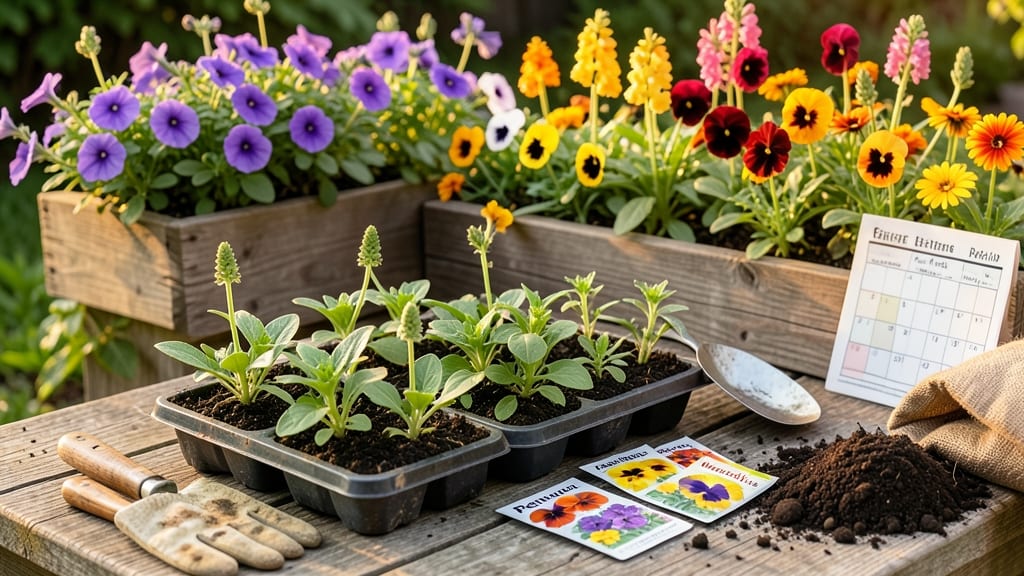
Timing your flower planting in Seattle isn’t just about following a generic calendar—it’s about outsmarting the city’s unpredictable microclimates, from the Eastside’s dry heat to West Seattle’s lingering coastal chill. One wrong move, and your 🌸 blooms could bolt before summer or rot in the damp spring soil.
But get it right, and you’ll enjoy vibrant gardens from April through October, even in Zone 8a’s tricky weather.
Most gardeners here swear by planting between March and May for spring blooms, but that’s just the starting line. The real secret? Adjusting for Seattle’s last frost date around March 15—and knowing that Westside gardens often stay cooler longer than the Eastside’s urban heat islands.
Whether you’re tucking in hardy heuchera or drought-loving lavender, the difference between thriving and struggling comes down to these microclimate tweaks.
Here’s what I’ve learned after years of testing: Annuals like petunias and zinnias need to hit the ground by April 15 to avoid bolting, while perennials like hellebores can wait until September–October for winter blooms.
And bulbs? Plant them 6–8 weeks before that last frost—no exceptions. Skip the guesswork and I’ll walk you through the exact windows for your neighborhood, plus the tools and flowers that actually thrive here.
Ready to turn Seattle’s gray-sky gardening into a year-round color show? Let’s dive into the planting deadlines that’ll have your garden looking like a pro’s—without the trial and error. You’ll know exactly when to dig, what to plant, and how to beat the rain.
Seattle’s flower planting calendar by microclimate: Eastside vs. Westside vs. Puget Sound
Seattle’s three distinct microclimates create wildly different planting conditions—Eastside’s hotter summers (like Bellevue) can handle late spring plantings, while Westside’s milder winters (like Ballard) allow earlier fall plantings.
Puget Sound’s coastal areas? Cool and damp year-round, so timing is everything to avoid rot or bolting. Let’s break down the exact weeks for each zone.
For annual flowers (like petunias or zinnias), wait until after the last frost—typically mid-March to early April—but Eastside gardeners can push to late April thanks to warmer soil. Perennials (such as heuchera or lavender) thrive when planted in early spring or fall, but Westside’s wetter soil means fall planting should end by mid-October to avoid winter rot.
Bulbs like tulips or daffodils need 6-8 weeks before frost—so plant them by late September for Westside and early October for Eastside. Coastal Puget Sound areas (like Bainbridge Island) can extend bulb planting to mid-October due to milder winters.
Pro tip: Check Seattle’s frost dates annually—they shift! The WSU Extension’s frost calendar (linked below) is your best friend. For Eastside gardeners, late spring plantings of heat-loving geraniums or salvias work beautifully, while Westside’s cooler summers favor shade-tolerant impatiens or fuchsias.
If you’re in urban heat islands (like downtown), plant heat-loving annuals like marigolds or zinnias as late as June—they’ll bloom until frost. Cooler microclimates (like Magnolia) should stick to earlier plantings to avoid bolting (premature flowering).
For bulbs like daffodils, plant in fall—but Eastside’s warmer soil means you can wait until early October, while Westside’s wetter conditions demand September planting. Test soil moisture before planting: if it’s soggy, amend with compost to improve drainage.
Remember: Seattle’s "gray-sky gardening" means partial shade is often ideal. Heuchera or astilbe thrive in Westside’s dappled light, while Eastside’s sunnier spots can handle full-sun lovers like coneflowers. Adjust mulch thickness—2–3 inches in Westside, 1–2 inches in Eastside to retain moisture without suffocating roots.
Use this microclimate guide to time plantings perfectly, whether you’re a first-time gardener or a seasoned pro. Bold blooms await—just don’t let Seattle’s weather trick you! 🌸
How to adjust planting times for Seattle’s rainy seasons: avoiding rot and bolting
Seattle’s consistent rainfall and cool, damp springs can turn your flower beds into a soggy mess if you’re not careful. The key is adjusting planting times to avoid root rot and premature bolting, especially for heat-loving annuals like marigolds or zinnias.
Start by planting cold-hardy varieties (e.g., pansies, snapdragons) in late winter (February) when soil is workable but not waterlogged.
For summer-blooming annuals, wait until after the last frost (mid-May) but before June’s heat waves hit. This gives roots time to establish before Seattle’s unpredictable downpours test their resilience. Succession planting every 2-3 weeks ensures continuous blooms without overcrowding.
🌧️
Seattle’s gray-sky gardening isn’t all bad—it’s perfect for shade-tolerant flowers like heuchera, ferns, and impatiens. These thrive in partial shade (3-6 hours of sun) and consistent moisture, making them ideal for west-facing gardens or understory plantings. For sun-lovers, south-facing beds get the most light, but even they benefit from mulch (2-3 inches) to regulate soil temperature.
If you’re planting bulbs in fall, do it 6-8 weeks before frost (early October). Daffodils and tulips hate soggy soil, so plant them in well-draining spots or raised beds. For spring-blooming bulbs, add a layer of gravel at the bottom of the hole to prevent rot.
🌿 For container gardening, use pots with drainage holes and terracotta materials (they dry faster than plastic). Place containers on feet or saucers to avoid waterlogging. Succulents and lavender are great for Seattle’s dry summers—just water deeply but infrequently.
Pro tip: Keep a gardening journal to track when you plant and how flowers respond to Seattle’s unpredictable weather. Note which varieties bolt early, wilt in rain, or thrive despite everything. Over time, you’ll refine your microclimate-specific schedule for bold, long-lasting blooms year after year.