
Plants
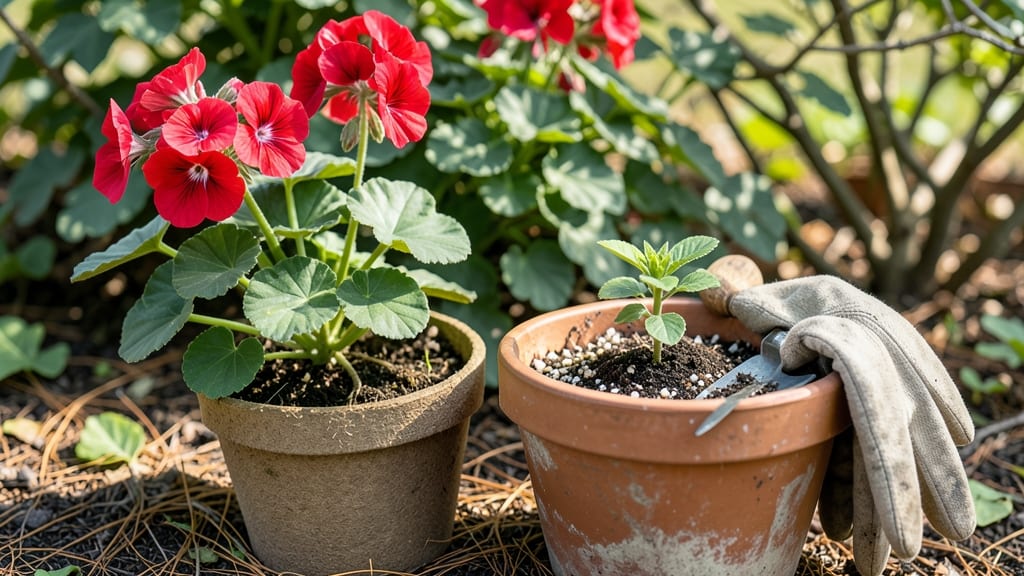
Planting geraniums in pots outside at the wrong time can mean the difference between vibrant blooms and wilted disappointment. These cheerful 🌸 friends thrive when the soil warms up and frost risk fades—but getting the timing right depends on your zone and container setup.
In USDA Zone 6a, where many gardeners live, the ideal window typically opens around mid-April to May, after the last frost date. But pots behave differently than garden beds—they warm up faster but also cool down quicker, so you’ll need to adjust your schedule accordingly.
Whether you’re growing annuals for summer color or perennials to return year after year, knowing when to move those pots outside is the key to strong roots and nonstop blooms.
I’ll walk you through exactly when to plant, how to prep your containers, and what to watch for to keep your geraniums happy all season.
Let’s dive into the perfect planting timeline so you can enjoy those bright blooms from day one—without the guesswork.
Exact last frost dates for planting geraniums in pots by USDA zone
Geraniums in pots need warmer soil and air temperatures than in-ground plants, so timing matters even more. In USDA Zones 3-8, the safe window shifts based on frost risk and container heat retention.
For example, Zone 6a (like much of the Midwest) typically sees its last frost around April 15, but pots may need 1-2 extra weeks to warm up safely.
Pots cool faster than garden beds at night, so even after frost danger passes, wait until soil temperatures hit 50°F (10°C). Use a soil thermometer to check—this is critical for root health.
In colder zones (3-5), you might delay planting until late May to avoid nighttime chills that stunt growth.
Here’s how your zone affects planting timing for potted geraniums:
| USDA Zone | Last Frost Date | Safe Planting Window | Soil Temp Requirement |
|---|---|---|---|
| Zone 3-4 | Mid-May | Late May to early June | 55°F (13°C) minimum |
| Zone 5 | Early May | Mid-May to early June | 50°F (10°C) minimum |
| Zone 6a | Mid-April | Late April to May | 50°F (10°C) minimum |
| Zone 7-8 | Early March | March to April | 45°F (7°C) minimum |
In Zones 7-8, you can plant as early as March if nights stay above 45°F (7°C). But even here, pots may need protective covers for the first week to shield roots from unexpected cold snaps.
I’ve had geraniums in Zone 7 thrive when planted in early March under a frost blanket for the first 10 days.
For annual geraniums, which are the most common in pots, aim to plant 2-3 weeks after your last frost date. Perennials (like cranesbill geraniums) can handle slightly cooler soil but still need consistent warmth to establish roots.
If you’re unsure about your last frost date, check the Old Farmer’s Almanac or your local Cooperative Extension Service for precise local data.
Pro tip: Black pots absorb heat faster than terracotta or plastic, so they can be planted 1-2 weeks earlier in cooler zones. If you’re using lighter-colored pots, delay planting by 7-10 days to match soil warmth.
Watch for nighttime temperatures dropping below 40°F (4°C)—this is the critical threshold for potted geraniums. Even if days are warm, cold nights can shock tender roots. Use a mini greenhouse or cold frame for the first few weeks to create a microclimate that mimics summer conditions.
Once planted, mulch the top of pots with 2-3 inches of straw or shredded bark to insulate roots and retain moisture. This simple step can extend your planting window by 1-2 weeks in marginal zones.
Finally, harden off your geraniums before moving them outside. If you’ve been growing them indoors or in a greenhouse, gradually expose them to outdoor conditions over 7-10 days. Start with 2 hours of shade and increase exposure daily.
Timing your geranium planting right ensures vigorous growth and continuous blooms all season. With these zone-specific guidelines, you’ll avoid the common pitfalls of stunted plants or early death—and enjoy those cheerful 🌸 blooms from spring to frost.
How to adjust planting time for pots vs. garden beds
Geraniums in pots face different temperature challenges than those planted in garden beds. Containers warm up faster in sunlight but also cool down quicker at night, making timing even more critical.
If you plant too early, a sudden frost can shock the roots, while waiting too long risks stunted growth from slow soil warming.
For example, in USDA Zone 5, garden beds might be safe by May 15, but pots need another 1-2 weeks of acclimation. This delay accounts for the fact that container soil loses heat 30% faster than in-ground soil after sunset.
Adjust your schedule by monitoring nighttime temperatures—geraniums tolerate 45°F (7°C) but struggle below 40°F (4°C).
Here’s the key difference: Garden beds retain heat from the earth below, while pots rely solely on daytime warmth. To compensate, choose dark-colored containers (they absorb heat) and place pots in protected microclimates, like near south-facing walls or under patios where ambient warmth lingers longer.
✅ Pots (Pros)
- Warms up faster in spring sun
- Easier to move to sheltered spots
- Better drainage prevents root rot
- Extend season with frost blankets
❌ Pots (Cons)
- Cools down faster at night
- Dries out quicker in wind
- Root zone limited = slower establishment
- More vulnerable to temperature swings
If you’re in a warmer zone (7-10), you can plant pots 2-3 weeks earlier than garden beds because the soil stays warmer longer.
For instance, in Zone 8, garden beds might be safe by March 1, but pots can go out by February 15—provided you use frost cloth for the first week or two.
Another trick? Pre-warm your pots by placing them on a black plastic sheet or in a sunny window indoors for 3-4 days before transplanting. This mimics the soil warming that happens naturally in garden beds, giving your geraniums a head start.
Just avoid direct sunlight indoors for more than 4 hours, or the soil can overheat.
Finally, watch for localized frost pockets—even if your zone’s average last frost is May 10, a cold snap in a low-lying area could delay safe planting by a week.
Use a frost-sensitive plant (like basil) as an early warning system: if it survives a night outside, your geraniums likely will too.