
Plants
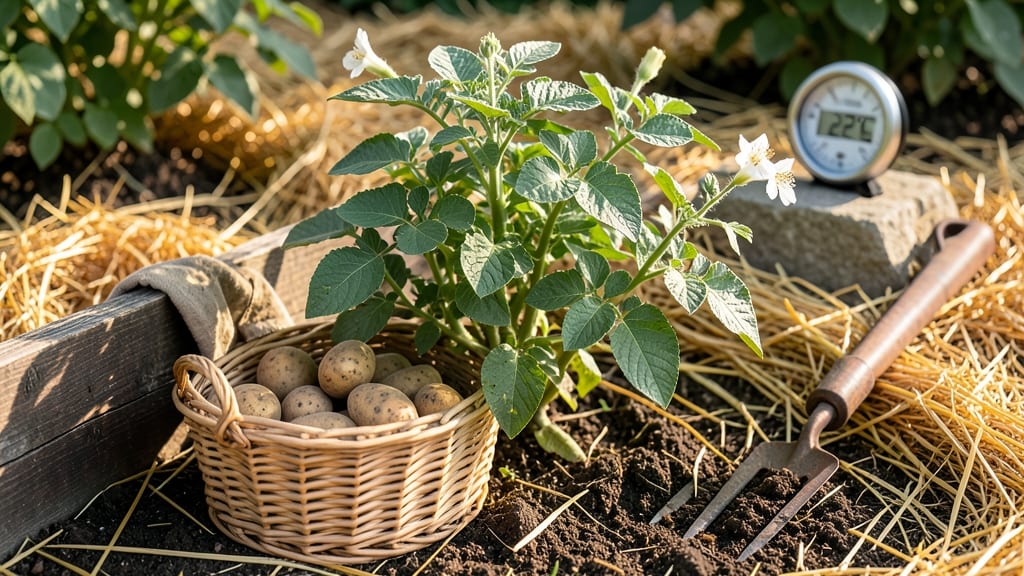
Planting potatoes in Georgia isn’t just about throwing them in the dirt—it’s about timing the soil temperature and frost-free dates just right to avoid wasted effort (or a dinner-table disaster).
With USDA Zones 7b-8b and a growing season that stretches from February to September, Georgia gardeners have two prime windows to plant: early February-March for fast-maturing varieties or March-April for later harvests.
But get it wrong, and you’ll risk frost damage or stunted growth—especially in the Piedmont or Blue Ridge regions where cold snaps linger longer.
I’ll walk you through the exact soil temps (45-55°F) your 🥔 need to sprout, how to adjust for Georgia’s microclimates (think: coastal warmth vs. mountain chill), and when to harvest for maximum yield. No guesswork—just science-backed tips to turn your garden into a potato powerhouse.
Whether you’re a first-time gardener or a seasoned pro, these insights will help you dodge common mistakes and enjoy a bumper crop of crisp, homegrown spuds by summer. Let’s dig in!
Georgia’s ideal potato planting windows by soil temperature & frost dates
Georgia’s diverse climate—from the humid coastal plains to the cooler mountain regions—means your potato planting window depends heavily on your exact location.
Most gardeners in USDA Zones 7b-8b (covering most of the state) can start planting as early as late January in the southern coastal areas, while mountain regions like Blue Ridge may need to wait until mid-March.
The key is waiting until soil temperatures reach at least 45°F (7°C), which is critical for sprouting.
For spring planting, aim to plant 4-6 weeks before your average last frost date. In North Georgia, this is typically around March 15-April 1, while South Georgia gardeners can start as early as February 15-March 1.
Fall planting is less common but possible in regions with mild winters, like coastal Georgia, where you might plant late August-September for a winter harvest.
Here’s how Georgia’s three main regions differ in their ideal planting windows:
| Region | USDA Zone | Last Frost Date | Ideal Planting Window | Soil Temp Requirement |
|---|---|---|---|---|
| Coastal Georgia (Savannah, Brunswick) | 8a-8b | February 15-March 1 | Late January - Early March | 45-50°F (7-10°C) |
| Central Georgia (Atlanta, Macon) | 7b-8a | March 15-April 1 | Mid-February - Mid-March | 45-55°F (7-13°C) |
| North Georgia (Blue Ridge, Dahlonega) | 7a-7b | April 1-April 15 | Mid-March - Early April | 50-55°F (10-13°C) |
To find your exact last frost date, check the USDA Plant Hardiness Zone Map and cross-reference with local weather data.
For example, if you’re in Zone 7b (like Atlanta), your last frost is likely around March 15, so plant seed potatoes in mid-February to give them time to establish roots before warmer weather arrives. Use a soil thermometer to confirm temperatures—potatoes won’t sprout reliably in cold soil.
Pro tip: If you’re unsure about your local frost dates, use the National Weather Service’s frost prediction tool or ask your local Cooperative Extension Service for region-specific advice. They often have 10-year averages that account for microclimates in your area.
For instance, a garden in Gainesville (North Georgia) might experience frost until April 1, while one in Savannah could be frost-free by February 15.
For gardeners in Zone 8b (like coastal Georgia), you can even try an early fall planting in late August for a winter harvest. However, avoid planting too late—potatoes need 90-120 days to mature, and cooler fall temperatures slow growth.
If you’re experimenting with fall planting, choose fast-maturing varieties like ‘Sweetheart’ or ‘Red Norland’ to ensure a harvest before the first frost.
One common mistake is planting too early when soil is still cold. If you plant in January in North Georgia, your potatoes may rot in the cold, wet ground. Always wait until soil temperatures are consistently above 45°F (7°C) for at least 24 hours before planting.
You can also chit your seed potatoes (sprout them indoors) 4-6 weeks before planting to give them a head start.
Finally, remember that Georgia’s humidity can lead to fungal diseases like blight, so avoid planting in low-lying areas where water pools. Raised beds or mounds with well-draining soil are ideal for maximizing your potato yield.
With the right timing and conditions, you’ll be harvesting golden Yukon Golds or crisp Russets in just a few months!
🌱
Georgia’s ideal potato planting windows by soil temperature & frost dates
Georgia’s USDA Zones 7b-8b create two perfect potato planting windows: early February-March for fast-growing varieties and March-April for later harvests. The key? Soil temperatures must reach 45-55°F for sprouting—any colder, and your seed potatoes will rot.
Coastal areas like Savannah can plant 2-3 weeks earlier than the mountains, where late frosts linger until mid-April.
Use the USDA Plant Hardiness Zone Map to fine-tune timing: Zone 7b (e.g., Atlanta) averages last frost February 15, while Zone 8b (e.g., Savannah) sees frost-free soil by January 20. Plant 4-6 weeks before your local last frost date to ensure tubers mature before summer heat sets in.
| Region | Last Frost Date | Ideal Planting Window | Soil Temp for Planting | Harvest Window |
|---|---|---|---|---|
| Coastal (Savannah) | Jan 20 | Feb 1 - Mar 15 | 45-55°F | May - July |
| Piedmont (Atlanta) | Feb 15 | Feb 28 - Apr 10 | 45-55°F | June - August |
| Mountains (Blue Ridge) | Mar 1 | Mar 15 - Apr 15 | 45-55°F | July - September |
For early planting (February), choose fast-maturing varieties like ‘Sweetheart’ (60 days) or ‘Red Pontiac’ (75 days). These thrive in Georgia’s warm winters and avoid summer’s extreme heat. Test soil temperature with a soil thermometer—if it’s below 45°F, wait or use black plastic mulch to warm the soil faster.
Late plantings (April onward) work for varieties like ‘Yukon Gold’ or ‘Russet’, but prioritize shade cloth during peak summer to prevent scab disease. In Zone 8b, you can even squeeze in a fall harvest by planting July-August for tubers ready by October.
Pro tip: Chit your seed potatoes (place in light for 2-4 weeks before planting) to jumpstart growth. This cuts 2-3 weeks off your growing season, giving you an earlier harvest. Just avoid chitting in humid conditions to prevent rot.
Timing isn’t just about frost—it’s about soil consistency. Sandy soils warm faster but dry out quicker, while clay holds moisture but stays cold longer. Amend with compost to balance both, and always plant in well-draining beds to prevent waterlogged tubers.