
Plants
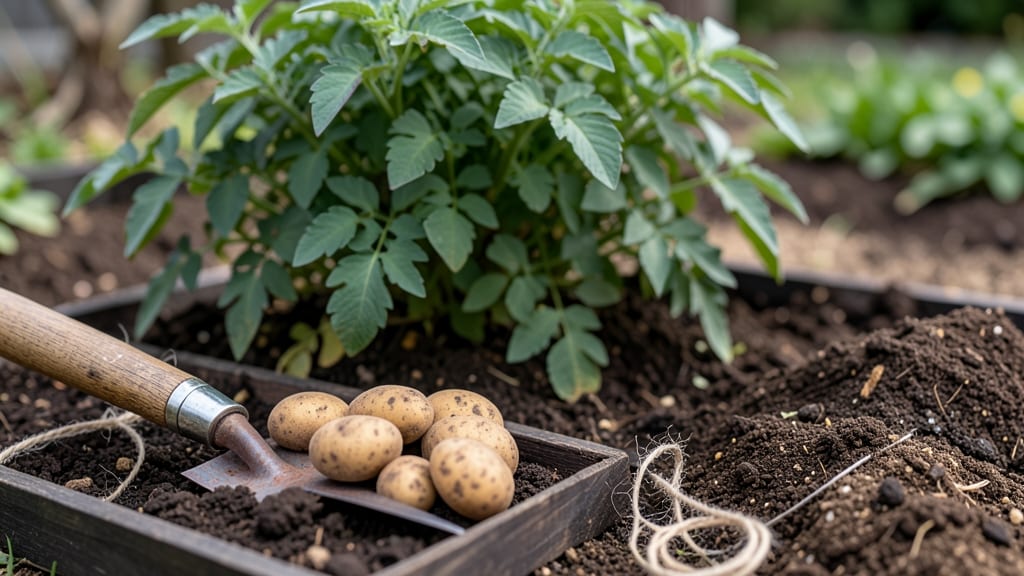
If you’ve ever wondered when is the best time to plant potatoes in Georgia to avoid your 🥔 potatoes bolting in the heat or rotting before harvest, timing is the secret weapon you’ve been missing.
Georgia’s Zone 8a climate lets you grow potatoes year-round—but only if you nail the 6-week window between frost risks and scorching heat. Plant too early, and a late freeze wipes out your crop.
Too late, and disease or drought steals your yield. The good news? With the right schedule, you can enjoy two harvests a year—spring and fall—without guessing.
I’ll break down the exact planting dates for Georgia’s microclimates, from the Piedmont’s cooler hills to the Coastal Plains’ humidity. You’ll learn how to adjust for your specific location, choose the best varieties like Yukon Gold or Red LaSoda, and avoid common mistakes that sabotage even the most eager gardeners.
Ready to turn your garden into a potato powerhouse? Let’s dive into the perfect timing that’ll give you a bumper crop—no more wasted effort or empty rows.
Georgia’s exact 6-Week potato planting window by season (Zone 8a)
Georgia’s Zone 8a climate lets you grow potatoes year-round, but timing is crucial for avoiding frost damage or disease. Unlike northern states, you can plant three times a year—spring, summer, and fall—with each window offering distinct yield advantages.
The key is aligning your schedule with soil temperatures (ideal: 45°F+) and air temperatures (avoid extremes above 85°F).
For spring planting, the optimal window runs from early March to mid-April, giving tubers time to mature before summer heat. Summer crops thrive when planted late July to early August, while fall plantings (if attempted) must happen by mid-September to avoid early frost.
Each window requires precise adjustments based on your local frost dates and variety maturity.
Here’s the breakdown of Georgia’s three planting windows, including soil prep, frost risks, and ideal varieties for each season:
| Season | Planting Window | Soil Temp Threshold | Frost Risk | Ideal Varieties | Harvest Window |
|---|---|---|---|---|---|
| Spring | Early March – Mid-April | 45°F+ (consistent) | Low (after last frost) | Yukon Gold, Red LaSoda | Late May – June |
| Summer | Late July – Early August | 50°F+ (warmer soil) | None (heat-tolerant) | Kennebec, Purple Viking | September – October |
| Fall (Limited) | Mid-September (high risk) | 55°F+ (fast growth) | High (frost by Nov) | Early Girl, Irish Cobbler | Not recommended |
*Note: Fall planting is risky in Georgia due to early frost. Prioritize spring/summer for reliable yields.
Spring planting delivers the highest yields in Georgia because tubers develop during cooler months, avoiding heat stress. Aim to plant 4-6 weeks before your last frost date (typically mid-March in most regions).
For example, if your last frost is April 15, plant by March 1-15. Use early-maturing varieties like Yukon Gold (90 days) to ensure harvests before summer heat peaks.
Summer planting is ideal for a second crop and works well with heat-tolerant varieties like Kennebec. Plant late July to early August to allow tubers to mature before fall rains increase disease risk.
Space plantings every 2 weeks in August for staggered harvests through October. Avoid planting after mid-August, as tubers may not fully mature before frost.
Soil preparation is just as critical as timing. Georgia’s clay-heavy soils (common in Piedmont) need organic matter (compost or aged manure) to improve drainage. Test your soil’s pH (5.8–6.5) and amend if needed.
Work in 3–4 inches of compost before planting to encourage tuber formation. In sandy coastal soils, add peat moss to retain moisture.
For container growing in Georgia, use large pots (at least 12 inches deep) and plant in late spring (April–May) to avoid heat stress. Containers warm up faster than ground soil, so monitor moisture closely. Varieties like Red Pontiac perform well in pots but require daily watering during summer.
Pro tip: Use straw mulch (4–6 inches thick) after planting to regulate soil temperature and retain moisture. In summer, mulch prevents tubers from turning green (toxic) due to exposure. For spring plantings, remove mulch when vines reach 6 inches tall to encourage tuber development.
🌱
How to adjust planting time for Georgia’s microclimates (north vs. south vs. coastal)
Georgia’s diverse geography means your potato planting schedule should change depending on whether you’re in the cool Appalachian foothills, the humid Coastal Plains, or the warm Piedmont region.
A 3-week difference in planting time can mean the difference between a thriving crop and a failed harvest. Let’s break down how to adjust your timing for each microclimate.
The North Georgia mountains (Zone 7b) experience later last frosts—often mid-April—and cooler soil temperatures. Here, aim to plant seed potatoes in late March for a spring crop, giving tubers time to develop before summer heat sets in.
In contrast, the Coastal Plains (Zone 8b) have warmer soils by February and can handle early planting as soon as mid-February for a faster harvest.
| Region | Last Frost Date | Ideal Planting Window | Harvest Window |
|---|---|---|---|
| North Georgia (Zone 7b) | Mid-April | Late March–Early April | Late June–July |
| Piedmont (Zone 8a) | Mid-March | Early March–Mid-April | Late May–June |
| Coastal Plains (Zone 8b) | Early March | Mid-February–Early March | Early May–June |
The Piedmont region (Zone 8a), where most Georgians live, offers the most flexibility. Plant early March to mid-April for a spring crop or late July to early August for a fall harvest.
If you’re in the Coastal Plains, you can even squeeze in a winter crop by planting in November for a harvest in February, though yields may be smaller.
Adjust your schedule based on elevation and humidity. Higher elevations (like Dahlonega or Blue Ridge) stay cooler longer, while low-lying areas (like Savannah or Brunswick) can handle earlier planting. Check your local UGA Extension office for precise frost dates—these can shift 2-3 weeks depending on the year.
For second crops, plant Yukon Gold or Red LaSoda in late July to avoid the scorching August heat. These varieties tolerate heat better than others, ensuring tubers form before the first frost.
Mulch heavily with straw or grass clippings to keep soil cool and retain moisture—critical in Georgia’s humid summers.
Don’t let microclimates fool you: even within a 10-mile radius, frost patterns can vary. Use a frost calendar or plant test rows 2 weeks apart to fine-tune your schedule. With the right adjustments, you’ll harvest two full crops per year—no more wasted seed potatoes or empty garden beds!