
Plants
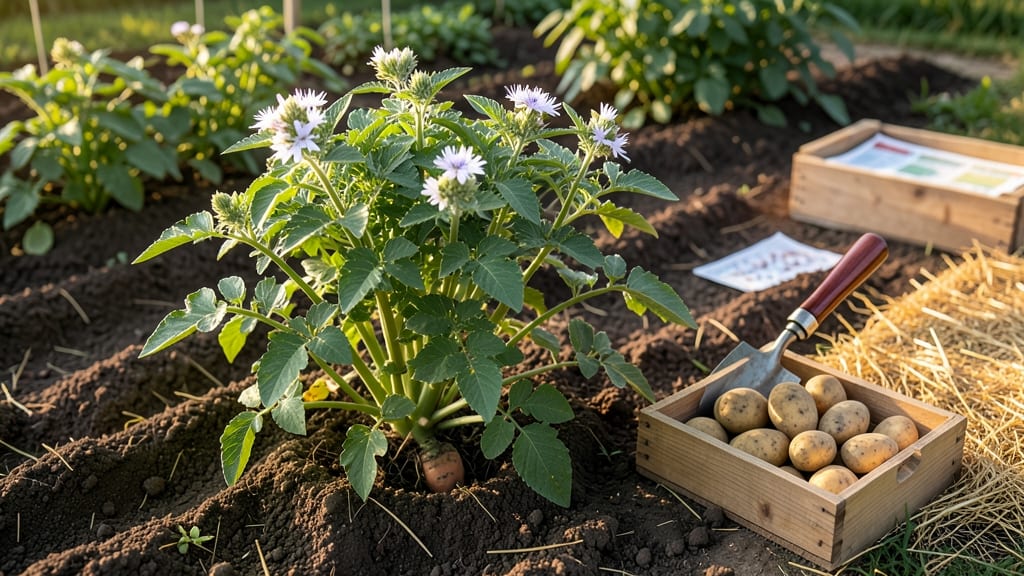
Planting potatoes in Texas isn't just about timing—it’s about beating the heat before it beats your crop. With the right heat-resistant varieties and precise planting windows, you can grow a bountiful harvest even in zones 8a-10a, where summer arrives early and stays fierce.
Most gardeners assume Texas’s long growing season means potatoes can be planted anytime, but that’s a recipe for failure. The key is planting 2-4 weeks before your last frost date, whether that’s late February in North Texas or January in Central/South Texas.
Miss this window, and your 🥔 crop could bolt in the heat—or worse, rot in the soil.
In this guide, I’ll break down the exact weeks to plant for your region, plus the best varieties to survive Texas’s sweltering summers. You’ll also discover pro tips to shield your potatoes from scorching temperatures, from soil prep to irrigation hacks that keep roots cool.
Ready to grow potatoes that thrive in the Lone Star State? Let’s dive into the strategies that turn Texas heat from a threat into an advantage for your garden.
Texas potato planting calendar: exact weeks before last frost by region
Texas’s diverse climate means your potato planting window depends heavily on where you garden. In North Texas (think Dallas-Fort Worth), the last average frost typically hits around February 15, while Central Texas (Austin, San Antonio) sees frost-free conditions by January 15.
Meanwhile, South Texas (Houston, Brownsville) can start planting as early as December 15 in milder microclimates. These regional differences create a 4-6 week variance in ideal planting times—critical for avoiding heat stress or missed harvests.
For all regions, aim to plant 2-4 weeks before the last frost date to give your potatoes enough time to establish roots before the heat peaks. This means January 15–February 15 for North Texas, January 1–February 1 for Central Texas, and December 15–January 15 for South Texas.
Using this window ensures your tubers mature before summer’s relentless sun turns your soil into a sauna.
Here’s the breakdown of your Texas potato planting calendar by region, including exact weeks before last frost and ideal planting months for maximum yield:
| Region | Last Frost Date | Planting Window (Weeks Before Frost) | Ideal Planting Months | Harvest Window |
|---|---|---|---|---|
| North Texas (Dallas-Fort Worth) | February 15 | 2–4 weeks before (Jan 15–Feb 1) | Late February–Early March | April–June |
| Central Texas (Austin, San Antonio) | January 15 | 2–4 weeks before (Dec 15–Jan 1) | January–February | March–May |
| South Texas (Houston, Brownsville) | December 15 | 2–4 weeks before (Nov 15–Dec 1) | December–January | February–April |
Pro tip: Use early-maturing varieties (like 'Red Pontiac') in North Texas to beat the heat, while longer-season types (like 'Kennebec') work better in South Texas’s milder winters.
Always check your local USDA Hardiness Zone (Texas ranges from 8a–10a) for fine-tuning—city heat islands can shift frost dates by 1–2 weeks.
If you’re in a transition zone (e.g., between North and Central Texas), err on the side of earlier planting. Soil temperatures below 45°F slow tuber formation, so wait until the ground warms to 50°F for optimal growth.
Use a soil thermometer to track progress—this is especially critical in North Texas, where cold snaps can linger into March.
For gardeners in South Texas, don’t be tempted to plant in late winter (March). By April, daytime temperatures often exceed 90°F, and potatoes will bolt (flower prematurely) or develop hollow heart (a common heat-related defect).
Instead, plant in December–January for a spring harvest before the heat ramps up.
Extend your growing season with successive plantings every 2–3 weeks in Central and South Texas. This staggered approach ensures a continuous harvest and maximizes your garden’s productivity. Just remember: never plant after March in North Texas or after February in Central/South Texas—the heat will outpace your crop’s maturity.
One common mistake? Assuming Texas’s mild winters mean you can plant anytime. Cold snaps (even in South Texas) can damage young plants, so always have row covers ready. And if you’re in a high-elevation area (e.g., Hill Country), frost risks persist later—adjust your timeline accordingly.
Finally, mark your calendar for harvest time: North Texas potatoes are ready by late April–June, while Central and South Texas crops mature 2–4 weeks earlier.
Watch for foliage yellowing and tuber firmness—these are your cues to dig. Don’t wait too long, or your potatoes will sprout in the ground and turn woody.
Best heat-resistant potato varieties for Texas gardens
Texas’s brutal summers can turn potato plants into crispy snacks if you’re not careful. That’s why choosing heat-resistant varieties is your first line of defense against 100°F+ temperatures. The right 🥔 type won’t just survive—it’ll thrive, producing high yields even when other crops wilt.
I’ve grown these top 5 varieties in my own Zone 9a garden, and they consistently deliver.
Look for varieties with short maturity times (60-90 days) to beat the heat before summer peaks. Avoid long-season potatoes like Russet Burbank, which bolt in Texas’s intense sun.
Instead, opt for early-maturing, disease-resistant types that prioritize tuber development over foliage growth. Let’s dive into the best options for your Texas garden.
Heat Tolerance Ratings
Yukon Gold is my go-to for buttery texture and rich flavor, but it needs consistent moisture to avoid hollow heart in the heat. Red LaSoda, with its 9/10 heat score, is perfect for South Texas gardens where summers arrive early. For fast harvests, Kennebec matures in just 60-70 days, making it ideal for early spring planting before temperatures soar.
If you’re growing potatoes for commercial sales, German Butterball is a top pick—its round shape and smooth skin hold up well in heat and store longer. For home gardens, Sweetheart potatoes are a disease-resistant favorite with creamy flesh perfect for mashing.
Pro tip: Plant Sweetheart in raised beds to improve drainage and prevent soil-borne diseases common in Texas’s humid summers.
Always buy certified seed potatoes from Texas nurseries to avoid viruses that thrive in warm climates. Store them in a cool, dark place (like a garage) for 2-4 weeks before planting to harden them off and boost heat tolerance.
With the right variety, your 🥔 crop can beat the Texas heat—no sweat!