
Plants
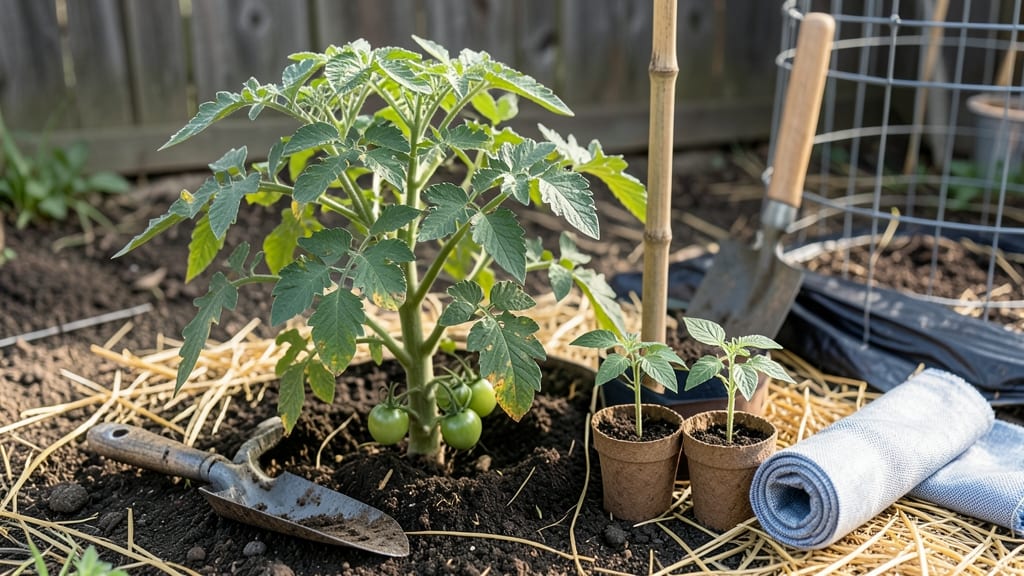
If you're asking "when can you plant tomatoes in Massachusetts", the answer isn't just about dates—it's about catching that perfect window between frost and soil warmth that turns your 🍅 into a thriving vine.
Massachusetts gardeners know the stakes: plant too early, and a late frost will wipe out your seedlings; wait too long, and you'll miss the growing season entirely.
Most gardeners here wait until after the last frost date, typically around mid-April, but that's just the starting line. The real game-changer is soil temperature—tomatoes need warm earth to thrive, and waiting for 60°F+ soil ensures strong roots and faster growth.
Whether you're starting seeds indoors or transplanting seedlings, timing is everything.
Here's what you need to know: the ideal window for planting tomatoes in Massachusetts runs from April 15 to June 1, but regional variations matter. Coastal areas warm up faster than inland spots, and container growing can extend your season by weeks.
Let's break down the exact steps to get your tomatoes in the ground at the perfect moment.
Ready to maximize your harvest? I'll walk you through frost dates, soil prep, and even how to push your growing season later into fall—so you can enjoy homegrown tomatoes from July through September. Let's get started.
Massachusetts frost dates & safe last-frost timing for tomato planting
Massachusetts' USDA zones 5b-7a create a diverse planting landscape, where last frost dates can vary by 2-3 weeks from western to eastern regions. In Zone 5b (western MA), gardeners typically see the last frost around April 15, while Zone 7a (Cape Cod) often waits until May 1.
Always use the 10-day rule—wait 10 days after your average last frost date before planting tomato seedlings or direct sowing seeds.
For direct sowing, Massachusetts gardeners should aim for mid-May to early June, especially in cooler microclimates like the Berkshires. Transplanting seedlings gives you more flexibility—start them indoors 6-8 weeks before your last frost date, then move them out after May 15 in most regions. Early varieties like 'Stupice' or 'Mountain Merit' tolerate cooler soils better, giving you a 2-3 week head start.
Check local frost-free date maps from the Massachusetts Horticultural Society or USDA Plant Hardiness Zone Map for precision. Frost alerts from the National Weather Service are your best friend—planting too early can mean frost damage or slow growth from cold soil. Hardened seedlings (those acclimated to outdoor temps) can survive light frosts down to 28°F, but fruit set suffers below 50°F.
| Region | USDA Zone | Avg. Last Frost | Safe Planting Window |
|---|---|---|---|
| Western MA (Pittsfield) | 5b | April 15 | May 5–15 |
| Central MA (Worcester) | 6a | April 25 | May 10–20 |
| Boston Area | 6b | May 1 | May 15–25 |
| Cape Cod (Provincetown) | 7a | May 10 | May 25–June 5 |
If you're starting seeds indoors, begin 4-6 weeks before your last frost date. Germination slows below 60°F, so use a seedling heat mat if your home stays cool. Transplant shock is less likely if seedlings are hardened off—acclimate them to outdoor temps over 7-10 days before moving them to the garden. Direct sowing seeds after May 15 in most of MA, but cover seeds with row fabric if nights dip below 50°F.
For container growing, you can push planting 2-3 weeks later since pots warm up faster.
Place containers in south-facing spots and use black plastic mulch to raise soil temps by 5-10°F. Dwarf varieties like 'Tiny Tim' or 'Patio Princess' thrive in containers and can be planted throughout June for a fall harvest.
Just remember: tomatoes need warmth, and cool soil stunts growth.
Track your local microclimate—urban areas like Boston can be 2-3°F warmer than rural spots, while valleys (e.g., Quabbin Reservoir area) hold cold air longer.
Use a minimum-maximum thermometer to monitor nighttime temps—if they drop below 55°F, protect seedlings with frost cloth or move pots to a sheltered spot.
Pro tip: Plant warm-season companions like basil or marigolds alongside tomatoes—they repel pests and improve flavor. Succession plant every 2 weeks after your initial planting for a continuous harvest through September. And always save seeds from your best-performing plants for next year!
Miss the spring window? Don’t worry—fall planting is possible in MA’s Zone 6b+. Use cold-hardy varieties like 'Cold Set' and plant after August 15 for a late-season harvest before first frost. Just be prepared to harvest before full ripeness and finish ripening indoors.
Soil temperature requirements for tomatoes in Massachusetts gardens
Massachusetts gardeners often focus on frost dates, but soil temperature is just as critical for tomato success. Tomatoes need warm soil to germinate and grow—cold soil delays growth and invites disease.
The magic number? 60°F+ for seeds and 70°F+ for transplanting seedlings. Without this warmth, your plants will struggle, even if the air feels spring-like.
Why does soil temperature matter so much? Tomatoes are tropical plants at heart, and they won’t thrive in chilly earth. Cold soil slows root development, making plants vulnerable to blight and rot.
In Massachusetts, where early springs can bring 50°F soil even in May, waiting for the right temperature can mean the difference between a bountiful harvest and a disappointing yield.
🌱 Soil Temperature