
Plants
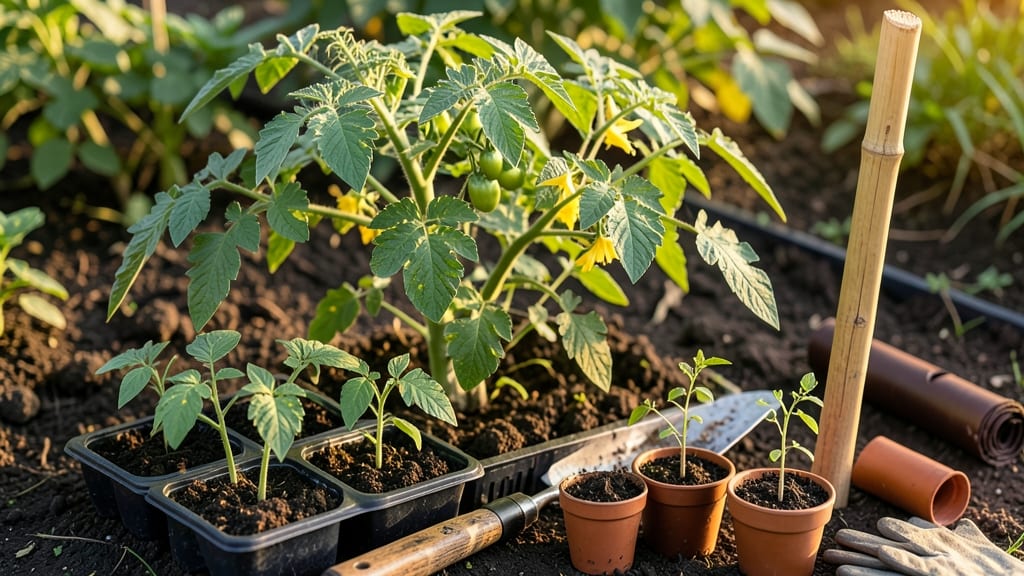
Timing when do you plant tomatoes in Kentucky isn’t just about the calendar—it’s about surviving the state’s notorious spring whiplash. One week you’re shivering through frost, the next you’re sweltering in humidity, and those delicate seedlings?
They’re caught in the middle. Get the dates wrong, and you’ll either lose your plants to cold soil or watch them bolt in the heat.
Here’s the truth: Zone 6A gardeners have a 30-day window to plant tomatoes—April 15 to May 15—but that’s only if you’re in the Bluegrass region.
Northern Kentucky’s later frosts and Appalachian valleys’ cooler microclimates demand a 2-week adjustment, while Southern Kentucky’s earlier soil warmth lets you push things back by a week. I’ll break down the exact dates for your specific corner of the state.
You’ll also discover how to outsmart Kentucky’s unpredictable weather—from using row covers to protect early starts to choosing heat-tolerant varieties like ‘Celebrity’ that won’t wilt when temperatures spike. Plus, I’ll reveal the #1 mistake Kentucky gardeners make when planting tomatoes (hint: it’s not frost dates).
Ready to grow bigger, healthier tomatoes without the guesswork? Let’s dive into the microclimate-specific planting schedule that’ll finally give you that June-to-October harvest you’ve been dreaming of.
Kentucky zone 6A tomato planting dates by microclimate (last frost guides + heat tolerance)
Kentucky’s Zone 6A climate means your tomato planting success hinges on precise timing—especially since last frost dates can vary by 1-2 weeks across regions. Northern Kentucky (like Cincinnati) typically sees frost until April 15, while Southern Kentucky (Bowling Green) averages April 22.
Central Kentucky (Lexington) falls right in the middle, with April 18 as the average last frost date.
For heat-sensitive varieties like 'Brandywine' or 'Cherokee Purple', wait until soil reaches 60°F+—a critical threshold for root development. Use a soil thermometer to confirm warmth, especially in Kentucky’s clay-heavy soils, which stay cold longer.
Pro tip: Black plastic mulch can raise soil temps by 5-10°F in just days.
If you’re starting seeds indoors, begin 6-8 weeks before your region’s last frost date. For Northern Kentucky, that’s mid-February to early March, while Southern Kentucky gardeners can wait until late February.
Use grow lights to prevent leggy seedlings—Kentucky’s short winter days (only 10 hours of light in December) slow germination.
For transplants, buy 6-week-old seedlings from local nurseries (like Kentucky State University’s Extension) and harden them off for 7-10 days before planting. Avoid buying early—many big-box stores sell overgrown seedlings that struggle in Kentucky’s humid summers. Look for stocky plants with 2-3 sets of leaves and no flowers.
Remember: Kentucky’s 165 frost-free days limit your growing season. Choose early-maturing varieties (like 'Stupice', which ripens in 50 days) if you’re in Northern Kentucky. Southern Kentucky gardeners can afford slightly later varieties, but always account for heat stress—temperatures above 90°F can halt flowering.
Pro move: Mark your calendar for June 15—this is when Kentucky’s peak heat begins, and indeterminate varieties (like 'Brandywine') may need shade cloth to prevent sunscald. Use drip irrigation to keep foliage dry, reducing the risk of early blight, a common Kentucky tomato foe.
For container growers, plant 1-2 weeks later than in-ground dates—pots warm up 3-5°F slower than soil. Choose determinate varieties (like 'Roma') for pots, as they stay compact (3-4 ft tall) and produce fruit faster in Kentucky’s shorter season.
Finally, track your local last frost using NOAA’s Climate Data for your specific county. For example, Hopkinsville (Western KY) averages frost until April 20, while Paducah extends to April 25. These microclimate differences can mean 2-3 weeks of planting flexibility—don’t guess, check!
Timing your tomato planting in Kentucky isn’t just about dates—it’s about soil warmth, variety selection, and weather resilience. With these microclimate-specific windows, you’ll avoid the heartbreak of frost-nipped seedlings or bolted plants and enjoy a harvest from July through October. 🌱
How to adjust tomato planting dates for Kentucky’s unpredictable weather (pro tips)
Kentucky’s weather is famous for its mood swings—one day you’re celebrating 60°F soil, the next you’re shivering through a late-May frost. The key to beating this unpredictability? Flexible planting strategies that account for false springs, soil temperature lag, and humidity spikes.
I’ve grown tomatoes in Northern Kentucky’s frost pockets and Southern Kentucky’s early-warming valleys, and these tricks have saved my plants (and my sanity) every year.
First, always check your local last frost date—not the county average. The NOAA Climate Data tool lets you input your exact ZIP code for precise frost predictions. For example, Cincinnati’s last frost might be April 20, but your neighbor’s backyard in Florence could still see frost on May 5.
A 5°F difference in soil warmth means the difference between thriving seedlings and a rotten stem.
Here’s my 3-step weather-proofing system:
- Start seeds indoors 6-8 weeks before your target outdoor date (use grow lights, not just windowsills—Kentucky’s short days in March won’t cut it).
- Use black plastic mulch to warm soil 5-10°F faster than bare earth.
Lay it down 2 weeks before planting to jumpstart root growth. 3. Plant heat-tolerant varieties like ‘Celebrity’ or ‘Better Boy’—they handle 90°F+ temps without wilting, while delicate heirlooms like ‘Brandywine’ need shade cloth in July.
Pro tip: If you’re in Appalachian Kentucky, where valleys stay cooler, plant uphill where soil warms faster. I’ve seen a 10°F difference in soil temps just 100 feet higher in elevation—worth the extra step for a 2-week earlier start!
Remember, tomatoes are forgiving if you adapt. Even if you miss your ideal window, a late-May transplant can still yield fruit—just choose fast-maturing varieties like ‘Early Girl’ (55 days) and protect them with shade cloth during heatwaves. The goal isn’t perfection; it’s outsmarting Kentucky’s weather.