
Plants
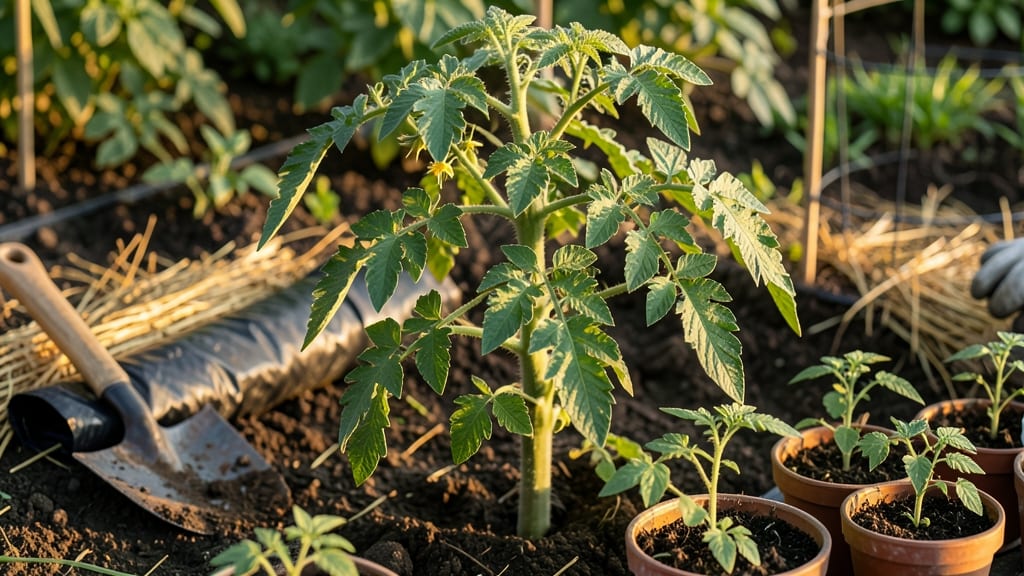
If you’ve ever dreamed of plucking a sun-ripened 🍅 tomato fresh from your Michigan garden, when can you plant tomatoes in Michigan is the question that unlocks your harvest—timing is the secret ingredient. Plant too soon, and frost will steal your harvest; too late, and you’ll miss the peak season.
The right window for Michigan’s 5b-6b zones isn’t just about waiting for warm weather—it’s about aligning with soil temperatures, last frost dates, and your tomato’s 70-day growth cycle.
Most Michigan gardeners know the general rule: wait until after April 15, but the exact moment depends on whether you’re transplanting seedlings or sowing seeds directly. In Detroit’s 6b zone, you might start as early as mid-April, while Traverse City’s 5b gardeners should hold off until late May.
I’ll break down the proven timeline so you can avoid common pitfalls—like rushing plants that still need warmth or missing the sweet spot for a bountiful July harvest.
Beyond the calendar, soil temperature is the game-changer most gardeners overlook. Your tomatoes won’t thrive until the ground hits 60°F, and black plastic mulch can shave weeks off that wait.
Plus, I’ll share how to stretch your season with frost-proofing tricks, so you can squeeze in a second planting if your zone allows it. Let’s get those seeds in the ground at just the right time.
Ready to turn your Michigan garden into a tomato powerhouse? You’ll walk away with a clear, zone-specific roadmap—from transplanting to harvest—so you can enjoy homegrown tomatoes from July through October. No more guessing, just proven success tailored to your backyard.
Michigan’s last frost dates by USDA zone: exact planting windows for tomatoes
Michigan’s last frost dates determine the perfect window for planting tomatoes, but they vary wildly across the state. Northern regions like Traverse City (Zone 5b) face frost risks until May 15, while southern areas like Detroit (Zone 6b) can plant as early as April 20.
These differences mean your planting strategy must align with your local climate zone—or risk losing your crop to late frosts.
For transplanting seedlings, aim for 2-3 weeks after your area’s last frost date. Direct sowing seeds requires even more patience—wait until soil temperatures hit 60°F+, typically late May in cooler zones. Skipping this step often leads to stunted growth or frost damage, even if the air feels warm.
Here’s the breakdown you need to plant tomatoes successfully in Michigan, including historical frost data and risk-free windows for each USDA zone:
| USDA Zone | Last Frost Date | Safe Transplant Window | Direct Sow Window | First Frost Risk |
|---|---|---|---|---|
| 5a (e.g., Marquette, Sault Ste. Marie) | May 10–15 | May 20–June 1 | Late May–Early June | Late September–October 5 |
| 5b (e.g., Traverse City, Grand Rapids) | April 25–May 5 | May 10–20 | Mid-May–June 1 | October 1–15 |
| 6a (e.g., Lansing, Kalamazoo) | April 15–25 | April 30–May 10 | Early May–May 20 | October 10–20 |
| 6b (e.g., Detroit, Toledo) | April 5–15 | April 20–May 5 | Late April–Early May | October 20–November 1 |
Data sourced from Michigan State University Extension (2023).
If you’re in Zone 5a, don’t rush—planting too early means risking frost damage or slow growth. In Zone 6b, you can push the envelope slightly by using row covers to extend your season.
Always check your local almanac or MSU Extension for updates, as frost dates can shift yearly due to climate variations.
For direct sowing seeds, wait until soil temperatures are consistently above 60°F—a soil thermometer is your best friend here. Cold soil stunts seed germination, so don’t be tempted to plant early just because the air feels warm.
In northern Michigan, this often means waiting until late May.
Pro tip: Use black plastic mulch to warm the soil faster and give yourself a 2-week head start on planting. This is especially useful in Zone 5b, where early May frosts are still a threat. Just
For gardeners in southern Michigan (Zone 6b), you can also try a fall planting of fast-maturing varieties like ‘Early Girl’ or ‘Stupice.’ Plant seeds in late July for a harvest before the first frost—just be prepared to protect seedlings with row covers if temperatures dip unexpectedly.
Always monitor weather forecasts in the week leading up to your planting date. A late frost can wipe out weeks of effort, so having a backup plan—like row covers or a greenhouse—is worth the investment for Michigan’s unpredictable climate.
Proven success timeline: from seed to harvest in Michigan’s climate
Timing your tomato planting isn’t just about avoiding frost—it’s about syncing with Michigan’s 165 frost-free days to maximize your harvest. Whether you’re starting seeds indoors or transplanting seedlings, the soil temperature and hardening-off period are critical.
For most Michigan gardeners, this means a 12-week window from planting to harvest, but early zones can stretch it to 14 weeks.
If you’re transplanting seedlings, aim for April 15–May 15 after the last frost. For direct sowing, wait until May 1–June 1 when soil temps hit 60°F. Seedlings need 6–8 weeks of indoor growth before transplanting, so start them in March under grow lights or on a sunny windowsill.
Michigan’s USDA zones 5b–6b mean your harvest timeline shifts slightly by region. Southern Michigan (zone 6b) can start transplanting 2 weeks earlier than northern zones (5a).
For example, in Detroit (zone 6b), you might harvest by early September, while in Traverse City (zone 5a), aim for late August to avoid early frosts.
Pro tip: Use row covers or cold frames to extend your harvest into October. Varieties like ‘Early Girl’ (60 days to maturity) are perfect for Michigan’s short season, while ‘Brandywine’ (80+ days) needs a longer growing window. Always check the back of seed packets for days-to-maturity estimates.
Watering is another key factor in your timeline. Tomatoes need 1–2 gallons per plant every 2–3 days, but deep watering in the morning prevents disease. Skip watering at night to avoid fungal issues like blight, which can cut your harvest short.
Mulch around plants to retain moisture and keep roots cool.
Finally, keep an eye on the weather forecast in late August. If a cold snap is predicted, harvest any ripe tomatoes immediately and bring them indoors to ripen. Unripe tomatoes can be stored at 55–60°F to finish ripening over 1–3 weeks.
With the right timing and care, you’ll enjoy homegrown tomatoes from July through October—just in time for Michigan’s famous tomato festivals! 🍅