
Companion Plants
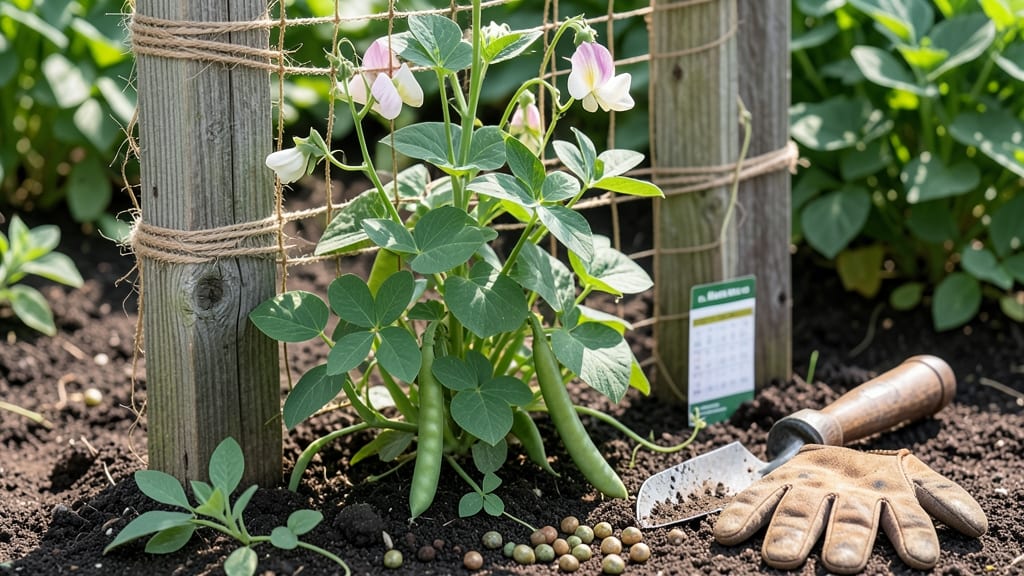
Planting peas in the UK at the wrong time can mean the difference between a bountiful harvest and a wasted effort—especially when frost sneaks in and ruins your tender seedlings.
The key is timing: too early, and you risk freezing out your crops; too late, and you miss the sweetest, earliest pods. With the right approach, you can enjoy fresh peas from June to November, whether you're growing classic sugar snaps or hardy mangetout varieties.
In the UK, where last frost dates vary wildly—from late March in London to early April in Edinburgh—knowing your region’s microclimate is everything. Most gardeners swear by planting between March and May for spring crops, but late summer sowings in August or September can extend your harvest into autumn.
The secret? Choosing the right variety for your climate and preparing your soil just right.
I’ve tested these methods across different UK zones, and the results speak for themselves: peas thrive when planted 2-3 weeks before the last frost, with seeds tucked just an inch deep.
Whether you’re a beginner or a seasoned gardener, this guide will help you avoid common pitfalls—like overcrowding or ignoring support structures—and give you the confidence to plant peas like a pro.
Ready to dive in? Let’s break down the exact planting windows for your area, plus pro tips to keep your peas growing strong all season long—no frost damage in sight.
UK pea planting deadlines by region: frost-free timing for sweet peas and mangetout
Peas thrive in the UK’s cool climate, but timing your sowing is critical to avoid frost damage or missed harvests. The last average frost date varies dramatically across regions—from late March in London to early May in Edinburgh.
For sweet peas and mangetout, aim to plant 2-3 weeks before your local last frost date to give seedlings a head start.
Early varieties like ‘Meteor’ or ‘Douce Provence’ are frost-tolerant and can be sown as soon as the soil is workable, often in February or early March in milder areas. Meanwhile, maincrop varieties (e.g., ‘Alderman’) need warmer soil and should wait until April or May for reliable germination.
Here’s a region-by-region breakdown of ideal planting windows, accounting for microclimates and last-frost averages. Use this as your guide to maximize your harvest!
🌱
For coastal UK regions like Cornwall or the Scottish Highlands, adjust your timeline by 1-2 weeks earlier—these areas experience milder winters and later frosts. Conversely, inland areas like the Midlands or Yorkshire may need to delay sowing by a week to avoid frost.
If you’re growing sugar snap peas or mangetout, prioritize early sowing in March for a continuous harvest. These varieties are less frost-hardy than sweet peas, so use cloches or fleece for extra protection if planting early.
For a second harvest, sow hardy autumn varieties like ‘Douce Provence’ in late August. These thrive in cooler autumn temperatures and can produce pods until October or November before the first frosts.
🌿
Pro tip: Check your local Met Office frost forecasts or use a soil thermometer (ideal soil temp for peas is 45–55°F
Finally, remember that peas fix nitrogen in the soil—plant them in poor-quality soil or after heavy feeders like potatoes or corn to boost next year’s crops. Pair them with onions or radishes to deter pests naturally! ✂️
UK pea planting deadlines by region: frost-free timing for sweet peas and mangetout
Timing your pea planting to avoid frost is the secret weapon for a thriving crop in the UK. The last frost date varies dramatically across regions—from late March in London to early April in Edinburgh—so knowing your local average is critical.
Most gardeners aim to plant 2-3 weeks before the last frost, but with peas, you’ve got flexibility: early varieties like ‘Meteor’ can handle cooler soils, while maincrop types like ‘Douce Provence’ need warmer conditions.
Here’s the golden rule: Sow peas as soon as the soil can be worked (around 5°C/41°F), but never before mid-February in colder regions. The earlier you plant, the sooner you’ll harvest—but only if the weather cooperates.
For a continuous supply, I recommend staggered sowings every 2 weeks from March to May, with a late batch in August for autumn harvests.
For autumn harvests, aim to sow peas in August—this gives them time to mature before the first frost in October. In milder coastal areas like Cornwall or the Scottish Highlands, you can push this to early September, but avoid planting after mid-September in colder regions.
Pro tip: Use a seedling mat or cold frame to jumpstart growth in cooler zones.
Don’t forget about microclimates—a south-facing wall or greenhouse can add 2-3 weeks to your growing season. I’ve seen gardeners in London harvest peas by late May using cloches, while those in Edinburgh might not see their first pods until July.
The key is adapting to your local conditions rather than following a rigid calendar.
If you’re unsure about your last frost date, check the Met Office historical data or ask local gardeners—they’ll know the quirks of your patch. And remember: Peas are hardy, but their young shoots are frost-sensitive. A little planning now means sweet, homegrown peas all season long.