
Plants
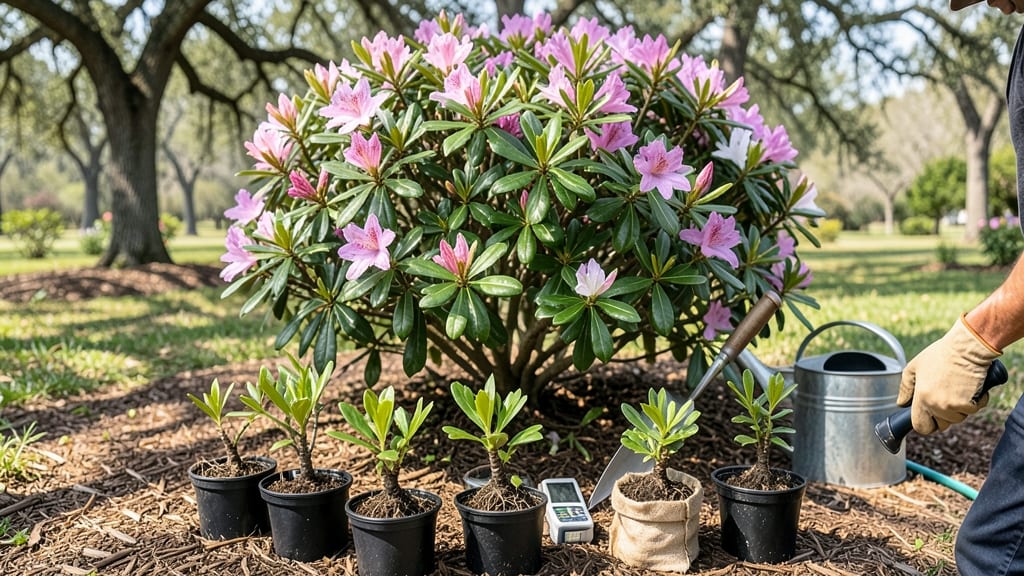
The best time to plant azaleas in Florida depends on where you live—coastal areas need a different approach than inland zones, and getting it wrong can mean the difference between thriving blooms and struggling shrubs. Whether you're adding these stunning 🌸 shrubs to your yard or containers, timing matters more than you might think.
Fall, specifically October through November, is the prime window for most of Florida, especially in zones 8a-11, because cooler temperatures help roots establish before summer heat arrives.
But if you miss that, early spring—February to March—is your second chance, just as buds begin to form for that spectacular spring display.
Here’s the key: coastal Florida’s humidity and sandy soils demand extra care, while inland areas might face hotter summers or occasional frost. I’ll break down exactly how to prepare your planting site—whether in-ground or containers—to give your azaleas the best start in Florida’s unique climate.
Ready to transform your garden? Let’s dive into the seasonal secrets that’ll keep your azaleas blooming year after year, no matter where you are in the Sunshine State.
Optimal azalea planting times in Florida: coastal vs inland climate differences
Florida’s diverse climate—from the humid coastal regions to the drier inland areas—means azalea planting times can vary dramatically. While fall (October-November) remains the golden window for most gardeners, coastal areas like Miami or Tampa have longer frost-free seasons, allowing early spring (February-March) planting with fewer risks.
Inland zones like Orlando or Gainesville (USDA Zone 8a-9a) benefit from fall planting to avoid summer heat stress.
Coastal azaleas thrive with extended growing seasons and higher humidity, so they tolerate early spring planting better than inland varieties. However, inland azaleas need fall planting to establish roots before summer’s intense heat. Everglades regions (Zone 10+) can plant year-round, but fall remains ideal for consistent blooms.
Timing also depends on azalea varieties. Southern Indica azaleas (coastal favorites) handle spring planting, while Knaphill hybrids (inland staples) prefer fall. Always check your local frost dates—Zone 8a areas face January frosts, while Zone 10+ stays frost-free.
🌸
🌿 Azalea Planting Window Comparison
| Climate Zone | Best Planting Time | Key Consideration | Avoid Planting In |
|---|---|---|---|
| Coastal (Zone 10-11) | Year-round (peak: Oct-Nov) | High humidity, no frost | Summer heatwaves |
| Inland (Zone 8a-9a) | Fall (Oct-Nov) or Early Spring (Feb) | Avoid summer drought | Late spring frost risk |
| Panhandle (Zone 8b-9b) | Fall (Sept-Oct) | Cooler temps, less humidity | Winter freezes (Dec-Jan) |
🌱 Pro Tip: Use acid-loving plant fertilizer 4-6 weeks after transplanting to boost root growth.
For container-grown azaleas, timing shifts slightly. Containers warm up faster, so spring planting (March-April) works well in coastal areas, while inland gardeners should stick to fall (October). Always check the root ball—if roots circle the pot, prune them before planting to prevent girdling.
Another critical factor is bloom time. Azaleas planted in fall often flower earlier the following spring, while spring-planted shrubs may take a year to bloom. Coastal varieties like 'Southern Charm' bloom reliably year-round, while inland 'Girard's Pink' needs fall planting for best results.
If you miss the ideal window, early spring (February) is your second chance—just ensure soil temps stay above 50°F (10°C) to prevent root shock. Inland gardeners should avoid planting after March 15, as summer heat can stress young roots before they establish.
🌿
Remember: Florida’s microclimates mean what works in Key West may fail in Lakeland. Use your local extension office’s frost maps and adjust planting dates accordingly. With the right timing, your azaleas will reward you with vibrant blooms for decades—just like Florida’s legendary spring gardens.
✂️
Optimal azalea planting times in Florida: coastal vs inland climate differences
Florida’s diverse climate means coastal and inland regions have different ideal times to plant azaleas. Coastal areas like Miami and Tampa enjoy warmer winters with minimal frost, while inland zones (e.g., Orlando, Gainesville) face occasional light freezes.
Timing matters—plant too early, and your azaleas may bake in summer heat; too late, and they’ll struggle with winter stress.
For coastal Florida (Zones 9b-11), the best window is September through November. This lets roots establish before summer’s brutal heat. Inland areas (Zones 8a-9a) should aim for October to early December or February to March to avoid frost damage.
Early spring planting works inland but risks heat stress before roots settle.
Why timing matters: Azaleas need 6-8 weeks to acclimate before summer’s peak heat. Planting in fall gives them a head start, while spring planting risks transplant shock during Florida’s sweltering months. Coastal azaleas (e.g., Rhododendron simsii) tolerate heat better than inland varieties like Rhododendron catawbiense.
| Factor | Coastal Florida (Zones 9b-11) | Inland Florida (Zones 8a-9a) |
|---|---|---|
| Best Planting Window | September–November | October–December or February–March |
| Key Risk | Summer heat stress | Frost damage (Zone 8a) |
| Soil Prep Time | 4–6 weeks before planting | 6–8 weeks before planting |
| Watering Needs | Deep watering 2x/week | Deep watering 3x/week (spring) |
| Frost Protection | None needed | Mulch heavily in winter |
Pro tip: Use mulch (3–4 inches of pine bark) to regulate soil temperature year-round. Inland gardeners should monitor frost alerts—even Zone 9a can dip below 32°F in January. Coastal gardeners? Focus on shade to protect azaleas from intense afternoon sun, which can scorch leaves.
For container-grown azaleas, timing shifts slightly. Plant 6–8 weeks earlier than in-ground varieties to account for slower root establishment in pots. Coastal containers thrive with morning sun, while inland containers need afternoon shade during summer. Always check root balls—pot-bound roots struggle to adapt.
Remember: Fall planting is ideal for Florida azaleas because cooler temps and higher humidity reduce transplant shock. If you miss fall, early spring (before buds swell) is your second chance. Just avoid summer planting—azaleas hate the heat! 🌸