
Plants
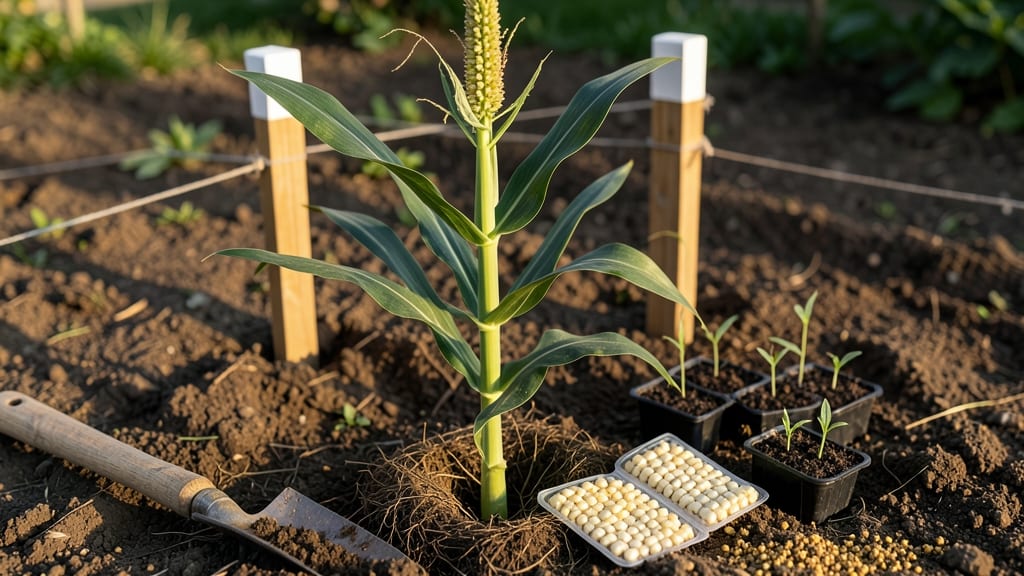
Planting 🌽 corn in Pennsylvania isn’t just about grabbing seeds and sticking them in the ground—timing is everything for fast germination and a thriving harvest.
The 6a zone here means you’ve got a narrow window between last frost (usually around April 15) and when summer heat kicks in, and getting it wrong can leave you with weak plants or wasted effort.
Most gardeners in Pennsylvania start their 🌽 corn between April 15 and June 1, but the real secret lies in waiting for soil temperatures to hit at least 60°F—cold soil slows germination to a crawl.
If you plant too early, frost can nip tender seedlings in the bud, while waiting too long risks running out of the 165 frost-free days Pennsylvania typically offers.
I’ve learned the hard way that rushing or delaying can turn a promising crop into a gamble. The good news? With the right zone-specific schedule, you can ensure your 🌽 corn sprouts within 7–14 days and grows strong enough to beat back pests and drought.
Let’s break down exactly when—and how—to plant for success in your corner of the Keystone State.
Whether you’re growing sweet corn for summer meals or field corn for livestock, mastering these timing tricks will give you an edge. You’ll discover how to adjust for late springs, urban microclimates, and even backup planting dates if Mother Nature throws a curveball.
Ready to turn your garden into a 🌽 corn powerhouse?
Pennsylvania corn planting dates by hardiness zone (with frost risk maps)
Timing your corn planting in Pennsylvania depends heavily on your USDA hardiness zone—whether you're in the cooler Zone 5b of the Poconos or the warmer Zone 7a of the Pittsburgh area.
Corn thrives when soil temperatures hit 60°F+, and planting too early risks frost damage, while waiting too long may shorten your harvest window.
Most Pennsylvania gardeners aim to plant corn between April 15 and June 1, but these dates shift based on your specific zone.
For example, Zone 5b gardeners should wait until after the last frost date (April 15), while Zone 7a growers can start as early as mid-April if soil conditions allow. Urban areas may experience microclimates that delay warming, so always check local frost maps.
Here’s a zone-specific breakdown to help you plan your corn planting schedule with confidence:
| Zone | Last Frost Date (Avg.) | Ideal Planting Window | Soil Temp Threshold | Notes |
|---|---|---|---|---|
| 5b (Poconos, NE PA) | April 15 | April 30 – May 15 | 60°F+ (consistent) | Use frost cloth for early starts; consider succession planting. |
| 6a (Central PA) | April 10 | April 20 – May 10 | 55°F+ (minimum) | Best for early-maturing varieties like 'Silver Queen'. |
| 6b (South-Central PA) | April 5 | April 15 – May 5 | 58°F+ (recommended) | Warmer microclimates (e.g., Harrisburg) allow earlier planting. |
| 7a (Pittsburgh, SW PA) | March 30 | April 1 – May 1 | 55°F+ (soil) | Longer growing season; try late-season varieties like 'Peaches and Cream'. |
For sweet corn, which is the most popular type for home gardens, aim to plant in two successive batches 2–3 weeks apart. This ensures a continuous harvest and reduces the risk of losing your entire crop to pests or weather.
For example, if you plant your first batch on May 1, follow up with a second batch on May 15.
Field corn and popcorn varieties are more forgiving with timing but still benefit from planting after the last frost. These types can tolerate slightly cooler soils, so you might push your planting window 1–2 weeks earlier than sweet corn.
However, avoid planting too early, as cold, wet soil can lead to seed rot and poor germination.
Pro tip: Use a soil thermometer to confirm temperatures before planting. Corn seeds won’t sprout reliably below 50°F, and germination slows significantly until the soil reaches 60°F.
If your soil is still cold in early May, consider using black plastic mulch to warm it up faster—this can shave off 1–2 weeks of waiting time.
Urban gardeners in cities like Philadelphia or Allentown may face heat island effects, where pavement and buildings trap warmth. In these areas, you can plant 1–2 weeks earlier than rural zones, but monitor for drought stress, as urban soils dry out faster.
Always water deeply after planting to help seeds establish.
Finally, keep an eye on your local extended weather forecast. If a late frost is predicted after your planting date, delay until after the threat passes. Corn is sensitive to frost at any stage, but seedlings are especially vulnerable. A single 28°F night can kill young plants outright.
How to adjust corn planting for Pennsylvania’s unpredictable spring weather
Pennsylvania’s spring weather can be as unpredictable as a toddler’s mood—one day it’s 60°F and sunny, the next you’re shivering under 30°F frost. That’s why I’ve learned to play it smart with 🌽 corn planting, using strategies that protect tender seedlings from late frosts and soggy soils.
The key? Flexibility and preparation.
If you’re in Zone 6a, your last frost average is around April 15, but Mother Nature doesn’t always follow the script. A sudden cold snap in May can turn your freshly planted seeds into frozen popsicles if you’re not ready.
That’s why I recommend having a backup planting date—usually June 1—just in case.
Here’s my foolproof plan: Start seeds indoors 4–6 weeks before your last frost date (around March 1), then transplant hardened-off seedlings when soil hits 60°F. For direct sowing, use frost cloth to create a microclimate that warms soil faster.
It’s like giving your seeds a cozy blanket until they’re ready to stretch their leaves toward the sun.
⚠️ Late Frost Warning: Don’t Skip These Steps
Cold soil (<45°F) = slow germination (3+ weeks). Use black plastic mulch to warm soil 5–10°F faster than bare earth.
Wet soil = rot risk. Amend clay-heavy soil with compost to improve drainage before planting.
Frost forecast? Cover seedlings with row covers or old bedsheets—even a 28°F night can kill young plants.
Succession planting is another lifesaver for Pennsylvania gardeners. Instead of betting everything on one planting, I stagger seeds every 2 weeks from April 15 to June 1. This ensures a steady supply of 🌽 corn for 3–4 weeks of harvests, even if early plantings get zapped by frost.
Urban gardeners with microclimates (like south-facing walls or rooftop gardens) can plant 2–3 weeks earlier than rural areas. A concrete surface absorbs heat during the day and radiates it at night, creating a warmer niche for early seedlings.
Just monitor soil temps with a soil thermometer—50°F is the minimum for germination, but 60°F+ is ideal.
Finally, keep a risk assessment