
Plants
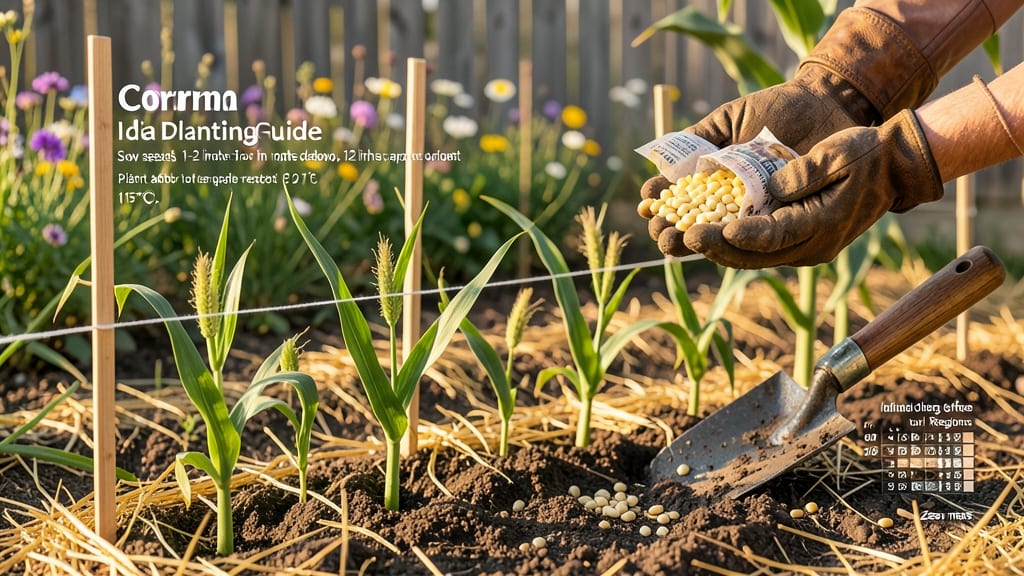
Timing your 🌽 corn planting in Connecticut can make or break your harvest—one wrong move, and you might end up with stunted plants or missed opportunities for fresh ears.
Connecticut’s 5b-6b climate means frost can linger well into April, while summer heat arrives unpredictably, leaving gardeners in a tight window to get it right.
If you’ve ever watched your corn struggle because of early planting or waited too long only to see silks dry out before harvest, you know the stakes.
The key is planting when soil temperatures hit 60°F and the last frost has passed—typically between mid-April and mid-June, depending on your microclimate. But here’s the twist: even within Connecticut, coastal areas and inland zones behave differently, so blindly following a calendar won’t cut it.
In this guide, I’ll break down the exact planting windows for your region, plus soil prep secrets to give your corn the best shot at thriving.
You’ll also discover how to extend your growing season for late-summer harvests and avoid the most common mistakes that leave CT gardeners scratching their heads. Let’s get your corn off to the right start.
Ready to turn your garden into a cornucopia? By the end, you’ll know not just when to plant, but how to set your corn up for success—so you can enjoy those sweet, juicy ears from late July through September. No more guesswork, just homegrown perfection.
Optimal planting dates for corn in Connecticut’s Zone 6b climate
Connecticut’s Zone 6b climate offers a short but sweet growing season for corn—just 160 frost-free days—so timing is everything. The last frost date typically falls around mid-April, but this varies yearly.
Planting too early risks frost damage, while waiting too long may cut your harvest short. For sweet corn varieties, aim for a 75-day maturity window to ensure ears ripen before frost.
Most gardeners in Connecticut plant corn in two waves: the first batch in late April to early May and a second batch in mid-June for a fall harvest.
This staggered approach maximizes yield and ensures fresh corn throughout the summer. Dwarf varieties (like 'Golden Bantam') mature faster (60 days) and are ideal for late plantings, while standard varieties (like 'Silver Queen') need the full 90-120 days.
Use a soil thermometer to confirm the ground has warmed to 60°F—corn seeds won’t germinate below this temperature. In cooler microclimates (like higher elevations in Litchfield County), wait until late May to avoid frost risks.
For warmer coastal areas (like New Haven), early April plantings can work if you use row covers for protection.
| Planting Window | Soil Temp Requirement | Best Varieties | Harvest Window |
|---|---|---|---|
| Late April - Early May | 60°F+ | Silver Queen, Country Gentleman | Late July - Early August |
| Mid-June | 65°F+ | Golden Bantam, Early Sunglow | September (before frost) |
| Early July (emergency) | 70°F+ | Quickie, Peaches and Cream | Late September (small harvest) |
🌽 Pro Tip: Check the CT NOFA for real-time frost updates.
If you’re growing popcorn or flour corn, extend your planting window to late June—these varieties take longer to mature (100+ days) but reward you with drought-tolerant stalks. For sukhumi corn (a sweet variety), plant in early May and harvest 2-3 weeks earlier than standard corn.
Always space seeds 12 inches apart in rows 30 inches wide to allow airflow and reduce fungal risks.
Monitor the National Weather Service’s Hartford forecast for unexpected cold snaps. In 2020, a late frost in May wiped out early plantings in Fairfield County, but gardeners who waited until late May still harvested 50% more corn than those who rushed.
Patience pays off—especially in Connecticut’s unpredictable spring weather.
For container gardening, use 5-gallon pots and plant 1-2 weeks later than in-ground corn. Containers warm up faster but dry out quicker, so mulch heavily with straw to retain moisture.
If you’re in Zone 5b (like parts of northern CT), stick to short-season varieties like 'Ambrosia' (70 days) and plant no earlier than May 15.
Don’t forget about succession planting! After harvesting your first batch, replant the same space with fast-maturing beans or lettuce to make the most of your garden real estate.
Corn is a heavy feeder, so follow it with legumes to replenish nitrogen in the soil. This crop rotation trick keeps your Connecticut garden productive year after year.
For organic gardeners, avoid planting corn where tomatoes or peppers grew the previous year—these plants share diseases. Instead, rotate corn with squash, cucumbers, or potatoes for better yields.
If you’re using black plastic mulch to warm the soil faster, lay it down 2 weeks before planting to maximize heat retention.
Finally, keep an eye on corn earworm pressure in July. Planting Bt-resistant varieties (like 'Attribute') can reduce pesticide use. In humid years, fungicides like copper spray may be needed to prevent gray leaf spot.
But with the right timing, your Connecticut corn can thrive without heavy intervention—just follow these frost-free windows and soil temp rules!
Optimal planting dates for corn in Connecticut’s Zone 6b climate
Connecticut’s Zone 6b climate creates a tight window for planting corn, where late frosts and early heatwaves can derail your harvest if you’re not precise.
The last average frost date hovers around mid-April, but coastal areas like New Haven often see frost linger until early May, while inland regions like Hartford may warm up faster. To nail your timing, focus on two critical factors: soil temperature and frost-free days—corn needs both to thrive.
For most of Connecticut, the ideal planting window stretches from mid-April to mid-June. However, this isn’t a one-size-fits-all rule. If you’re in a cooler microclimate, like the western hills, aim for late April to early May.
In warmer southern areas near the Long Island Sound, you can push planting to early June for a late-summer harvest. The key is ensuring your soil stays above 60°F for consistent germination.
🌽 Pro Tip: Use a soil thermometer to confirm warmth before planting. Cold soil delays germination and invites rot. If your soil isn’t ready by mid-May, consider starting seeds indoors under grow lights and transplanting after the last frost.
🌱 Connecticut Corn Planting Timeline
| Stage | Action | Notes |
|---|---|---|
| Early April | Test soil temperature | Wait until soil reaches 50°F+ for seedling prep. |
| Mid-April (coastal) / Late April (inland) | Direct sow seeds | Plant 1 inch deep, 12 inches apart in rows 30 inches apart. |
| May 1–15 | Monitor for frost | Use row covers if nights dip below 40°F. |
| June 1–15 | Second planting (if desired) | Choose fast-maturing varieties (e.g., ‘Early Sunglow’) for late harvests. |
| July–September | Harvest | Pick when silks turn brown and kernels are milky. |
Don’t overlook succession planting—this is your secret weapon for a continuous corn harvest. In Connecticut, you can squeeze in two plantings: one in late April for a July harvest and another in early June for September ears.
Just ensure your second batch uses shorter-day varieties to mature before the first frost in mid-October.
For those in Zone 5b (northwest CT), push planting to late May to avoid frost damage. If you’re near the coast, account for delayed warmingCT Agricultural Experiment Station’s frost predictions for real-time adjustments.
Finally, if you’re experimenting with heirloom or sweet corn varieties, note that ‘Bodacious’ or ‘Silver Queen’ thrive in CT’s climate but need 75–90 days to mature.
Plant these in mid-May for a reliable harvest before frost. With the right timing, you’ll transform your garden into a golden cornfield by summer’s end. 🌽