
Plants
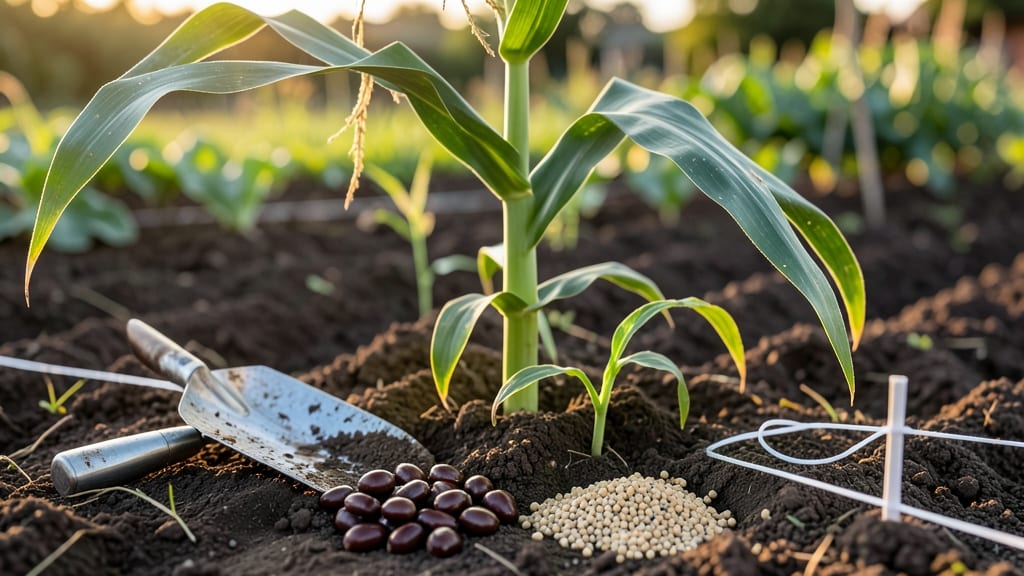
If you're asking "when do you plant corn in Tennessee", timing is the difference between a bumper crop of golden 🌽 and a disappointing harvest. Tennessee's climate—spanning USDA zones 6a-7b—demands precision, especially since late frosts can strike well into April.
Most gardeners wait until late April to mid-May after the last frost date, but your exact window depends on whether you're growing sweet corn for summer meals or field corn for fall harvests.
Plant too early, and chilly soils can stunt germination; too late, and you might miss peak yields before summer heat sets in.
In this guide, I’ll break down the best planting dates for each Tennessee region, including how to adjust for microclimates like East Tennessee’s cooler valleys or West Tennessee’s warmer plains.
You’ll also discover which corn varieties thrive in your zone and how to extend your growing season for a longer harvest.
Ready to unlock the secrets to Tennessee’s most productive corn patches? Let’s get started with the exact dates and tips you need to succeed.
Tennessee corn planting dates by hardiness Zone (with exact timing rules)
Corn thrives in Tennessee’s USDA Zones 6b-7b, but planting dates shift dramatically between East Tennessee’s cooler highlands and West Tennessee’s warmer valleys. For sweet corn, aim for late April to mid-May after the last frost—typically mid-April in Nashville but early May in Knoxville.
Field corn and popcorn follow similar windows but tolerate slightly cooler soils.
Soil temperature is your #1 guide: wait until the ground reaches 60°F (15.5°C) at least 1 inch deep. Use a soil thermometer to verify—cold soils delay germination and invite seed rot.
In Zone 6b (e.g., Bristol), this often means May 1-15, while Zone 7b (e.g., Memphis) can start as early as April 15.
Here’s how to align your planting with Tennessee’s microclimates and corn types:
| Zone & Location | Last Frost Date | Ideal Planting Window | Soil Temp Trigger | Corn Type Notes |
|---|---|---|---|---|
| Zone 6b (Bristol, Johnson City) | Mid-April | May 1–15 | 60°F (15.5°C) | Sweet corn: Silver Queen (70 days). Field corn: Pioneer 33B48 (110 days). |
| Zone 7a (Knoxville, Chattanooga) | Early April | April 15–May 1 | 58°F (14°C) | Sweet corn: Ambrosia (80 days). Popcorn: Black Aztec (90 days). |
| Zone 7b (Nashville, Murfreesboro) | Late March–Early April | April 1–15 | 55°F (13°C) | Early varieties: Peaches and Cream (65 days). Succession plant every 2 weeks. |
| Zone 8a (Memphis, Jackson) | Mid-March | March 15–April 1 | 50°F (10°C) | Heat-tolerant: Golden Bantam (75 days). Risk of earworm—use row covers. |
For succession planting, stagger seeds every 2 weeks until June 15 to extend harvests. Early varieties (e.g., Peaches and Cream) mature in 65–70 days, while late-season types (e.g., Country Gentleman) need 90+ days.
Match your variety to your first frost date—most Tennessee regions see frost by October 20–November 5.
If you’re in high-elevation areas (e.g., Great Smoky Mountains), delay planting until May 15 to avoid late-spring frosts. Use black plastic mulch to warm soil faster in cooler zones. For urban gardens (e.g., Nashville heat islands), you can plant 1–2 weeks earlier since pavement retains heat.
Always test your soil’s pH (6.0–7.0 ideal) and phosphorus levels before planting—corn is heavy-feeder and needs 60–80 lbs of nitrogen per acre. Apply compost or aged manure at planting for slow-release nutrients. In sandy soils (common in West TN), add organic matter to retain moisture.
Remember: Corn is wind-pollinated, so plant in blocks (not rows) for better pollination. For home gardens, a 4×4 ft block with 4–6 plants ensures cross-pollination. Avoid planting near tomatoes or peppers, which compete for nutrients.
🌽 For emergency adjustments, monitor the 10-day forecast. If a cold snap is predicted within 7 days of planting, delay until soil warms. Use row covers for young seedlings if nights dip below 50°F (10°C).
How to adjust corn planting dates for Tennessee’s microclimates (and avoid common mistakes)
Tennessee’s varied geography—from the Appalachian Mountains in the east to the Mississippi River plains in the west—creates microclimates that can shift your ideal planting window by 2-3 weeks.
In cooler high-elevation areas like Great Smoky Mountains National Park, wait until mid-May to avoid frost damage, while West Tennessee’s warmer zones may support early April plantings for heat-tolerant varieties.
Even within cities, urban heat islands can push planting dates 10-14 days earlier than rural areas. Check local weather stations (like NOAA’s Climate Data) for real-time soil temperature trends—corn seeds need 50°F+ soil temps to germinate consistently.
🌱Pro Tip: Use row covers or black plastic mulch to warm soil faster in cooler microclimates, potentially shaving off 5-7 days from your planting window.
⚠️ Warning: Signs You Planted Too Early
- Seed rot: Seeds sprout but collapse (soil too cold)
- Yellowing leaves: Stunted growth from chilly nights
- Slow emergence: Takes >14 days to sprout
🌧️ Action: Cover seeds with straw mulch if frost threatens after planting.
For late plantings (after May 15), opt for short-season varieties (e.g., 'Early Sunglow', maturing in 65-70 days). Delaying past June 1 risks stalk rot and poor ear development—prioritize succession planting in small batches every 2 weeks for continuous harvests.
🌿 Emergency Backup: If frost threatens after planting, use frost cloth for 3-5 nights to protect young seedlings. Monitor National Weather Service alerts for late-spring cold snaps, which can drop temps 10°F+ overnight in East Tennessee.
🔄 Microclimate