
Plants
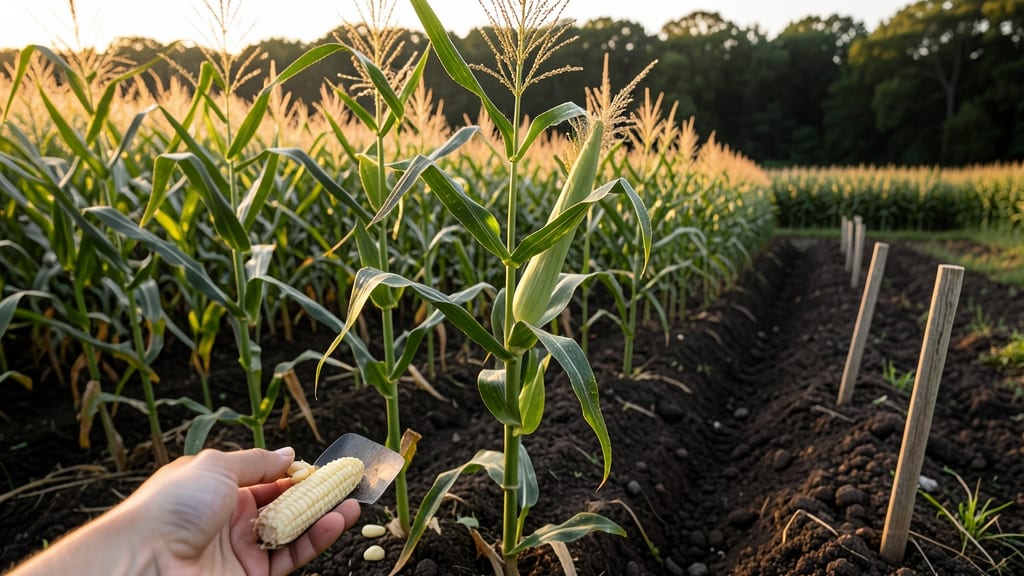
Timing your 🌽 field corn planting in North Carolina isn’t just about the calendar—it’s about beating frost, embracing heat zones, and giving your crop the best shot at thriving. Plant too early, and a late frost could wipe out your seedlings before they even sprout.
Wait too long, and your corn might mature just as summer cools down, leaving you with underdeveloped ears.
For most of North Carolina—especially zones 7a-8b—the sweet spot is mid-April to early May, once soil temperatures hit a steady 60°F and the last frost has passed.
But here’s the catch: Coastal areas and mountain regions play by slightly different rules, thanks to microclimates that can shift planting windows by weeks. If you’ve ever wondered why your neighbor’s corn looks lush while yours struggles, chances are timing (or soil prep) is the culprit.
I’ll walk you through how to match your planting date to NC’s heat zones, pick the right corn varieties for your area, and avoid common pitfalls like drought stress or late-season heat waves.
Whether you’re a backyard gardener or managing a larger plot, these insights will help you maximize yield—and maybe even save a few seeds from the frost gods.
Ready to turn your field into a golden sea of 🌽? Let’s get into the specifics—because in NC, the difference between a mediocre harvest and a bumper crop often comes down to those first few weeks in the ground.
North Carolina heat-zone planting schedule for field corn
North Carolina’s 7 distinct USDA heat zones (5A through 8B) create wildly different planting conditions for field corn. In Zone 5A (western mountains), you’ll need to wait until late May to avoid frost, while Zone 8B (coastal areas) can plant as early as March 15.
The key is matching your corn variety’s maturity group to your zone’s frost-free window—typically 180-220 days—to ensure harvest before the first frost.
Soil temperature is just as critical as air temperature. Field corn won’t germinate well below 50°F, and ideal planting occurs when soil reaches 60°F+. Use a soil thermometer to confirm—cold soils delay germination by weeks.
In Zone 6A, this usually means waiting until mid-April, while Zone 7A gardeners can start in early April. Pro tip: Cover seeds with black plastic mulch to warm soils faster in cooler zones.
Here’s how to align your planting with NC’s heat zones for maximum yield:
For example, if you’re in Zone 6A (common in the Piedmont), aim for a 90-day maturity variety like ‘Pioneer 39G43’ and plant by April 15. This gives you a harvest window from late July to early September, well before the first frost.
In Zone 8A (coastal), you can plant Golden Bantam (70 days) as early as March 1 for a June harvest—just beware of humidity-related diseases like corn smut.
One common mistake? Assuming all of NC follows the same schedule. Mountain regions (5A/6A) often have 2-3 weeks later frost dates than coastal areas. Check your local Cooperative Extension Service for precise frost data—it’s worth the 5-minute search to save your crop.
For instance, Asheville (Zone 6B) typically has its last frost on April 15, while Wilmington (Zone 8A) sees frost-free conditions by February 15.
Pro tip: Use staggered planting in zones with long growing seasons (7A+). Plant 30% of seeds early (March), 40% mid-season (April), and 30% late (May) to spread out your harvest and reduce pest pressure. This works especially well for sweet corn varieties like ‘Silver Queen’ in Zone 7B.
Finally, don’t overlook soil preparation. Field corn thrives in well-drained, slightly acidic soil (pH 6.0–6.8). In clay-heavy soils (common in the Piedmont), amend with compost or sand to improve drainage.
In sandy soils (coastal areas), add organic matter to retain moisture. Test your soil at least 4–6 weeks before planting
North Carolina heat-zone planting schedule for field corn
North Carolina spans USDA zones 5A to 8B, and your field corn planting date should align with these zones to avoid frost damage or premature maturity. The ideal soil temperature for planting is 60°F or higher, which typically occurs between mid-April and early May in most regions.
However, zones like 5A (Mountains) may need to wait until late May, while 8A (Coastal) can start as early as March.
Each zone has distinct frost-free windows and maturity group requirements. For example, Zone 5A growers should focus on early-maturing varieties (80-90 days), while Zone 8B can handle longer-season varieties (100+ days) without risking frost.
Below is a breakdown to help you plan your planting window based on your specific heat zone.
| Heat Zone | First Planting Window | Soil Temp Requirement | Recommended Maturity Groups | Frost Risk |
|---|---|---|---|---|
| 5A (Mountains) | Late May | 60°F+ | 80-90 days | High (late frosts) |
| 6A (Piedmont) | Mid-April | 60°F+ | 85-95 days | Moderate |
| 7A (Central NC) | Early April | 55°F+ | 90-100 days | Low |
| 7B (Coastal Plain) | Late March | 55°F+ | 95-105 days | Very Low |
| 8A (Outer Banks) | March | 50°F+ | 100-110 days | None |
| 8B (Southeast NC) | February-March | 50°F+ | 110+ days | None |
For Zone 5A gardeners in the Mountains, waiting until late May ensures your seedlings avoid late frosts, which can kill young plants in just a few hours.
Meanwhile, Zone 8A and 8B growers in the Coastal Plain can plant as early as February or March, taking advantage of longer frost-free seasons. Always double-check your local last frost date—even a few degrees of warmth can trick you into planting too soon.
If you’re unsure about your exact heat zone, use the USDA Plant Hardiness Zone Map or check with your local Cooperative Extension Service for precise guidelines. They can also provide insights on microclimates in your area, which might shift your planting window by a week or more.
For example, a valley might frost later than a nearby hillside, even if they’re just miles apart.
Once you’ve nailed down your planting window, pair it with the right maturity group to ensure your corn reaches harvest before the first frost. A 90-day variety in Zone 5A planted in late May will mature by early September, just before frost arrives.
In contrast, a 110-day variety in Zone 8B can stretch into November without worry. Matching your planting date to the right maturity group is the key to avoiding underdeveloped ears or frost-damaged crops.
Pro tip: Use biodegradable corn planting markers to track your rows and avoid confusion as plants grow.
And if you’re planting in sandy soils, consider adding a mulch layer to retain moisture—this is especially critical in Zone 7A and 8A, where summer heat can dry out the soil quickly.